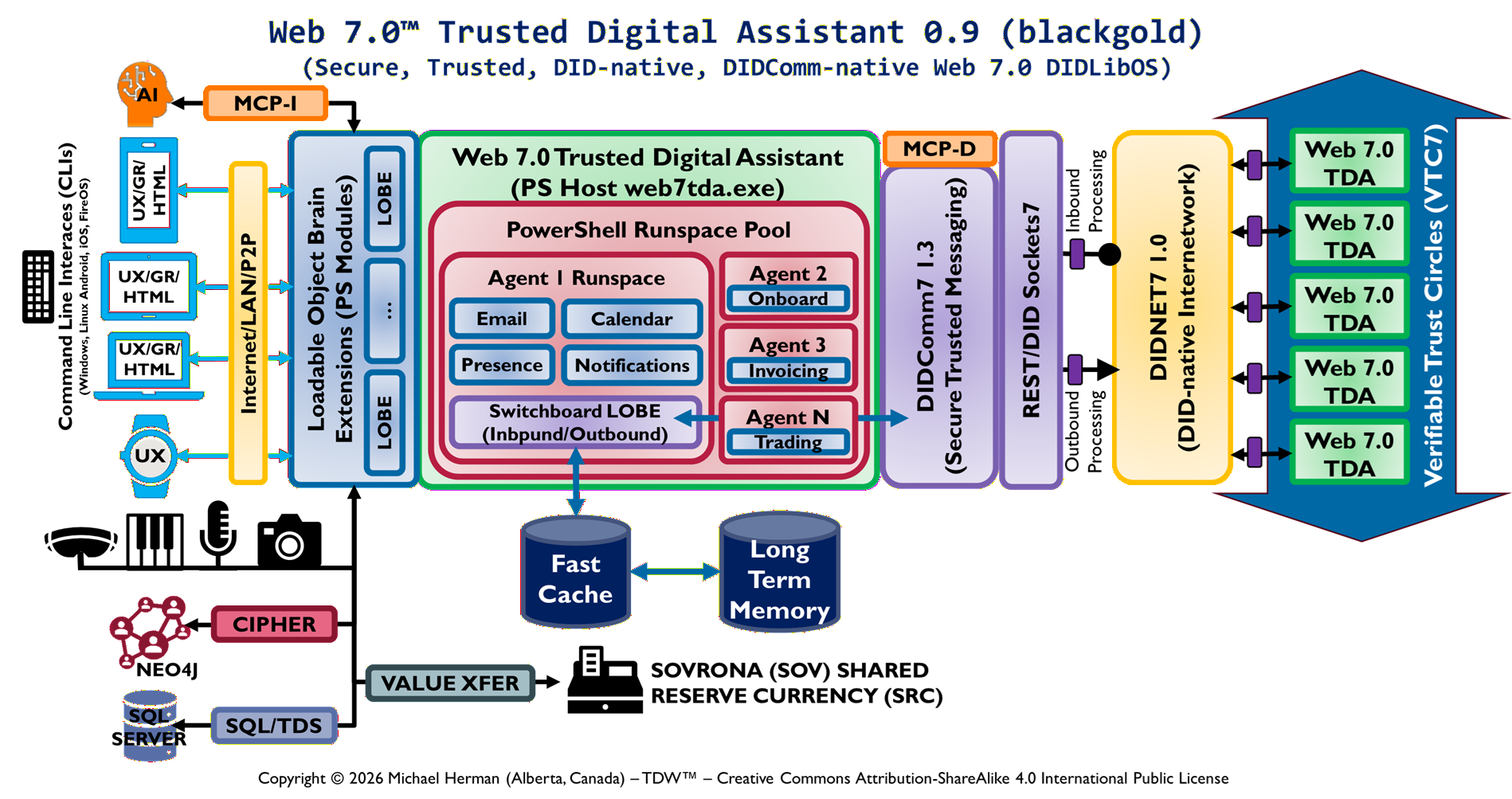
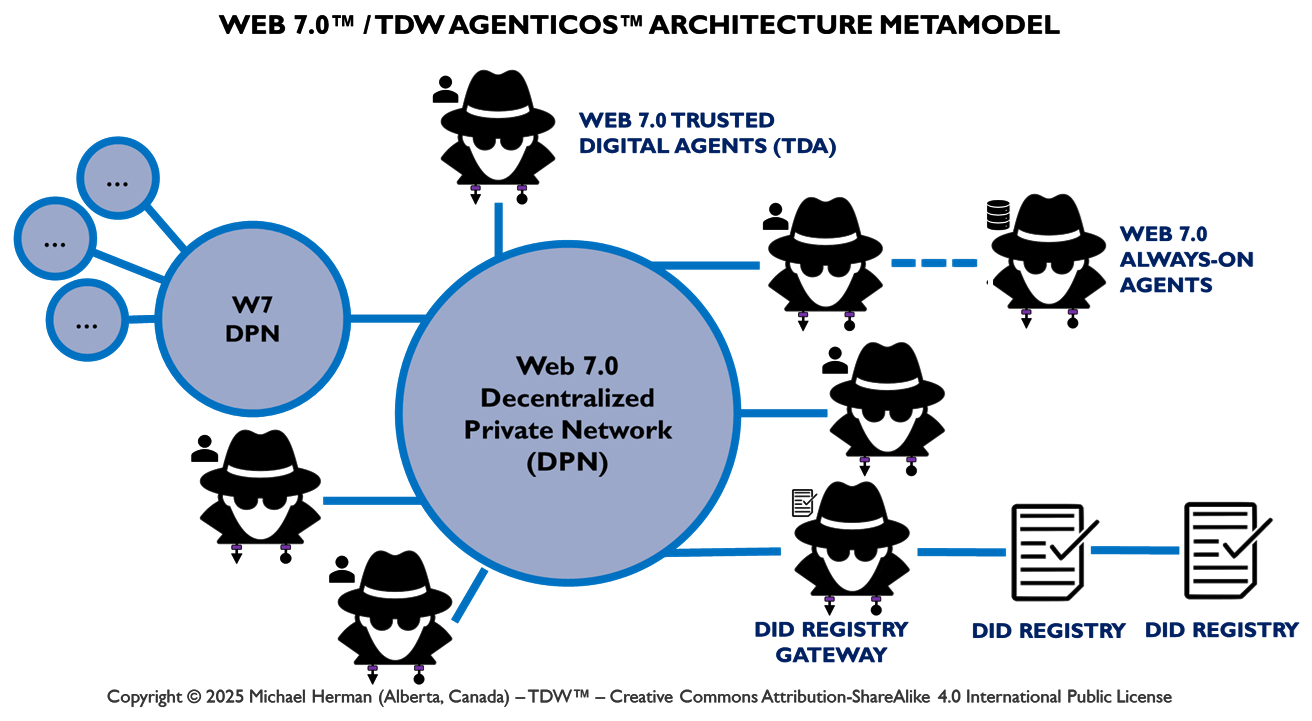
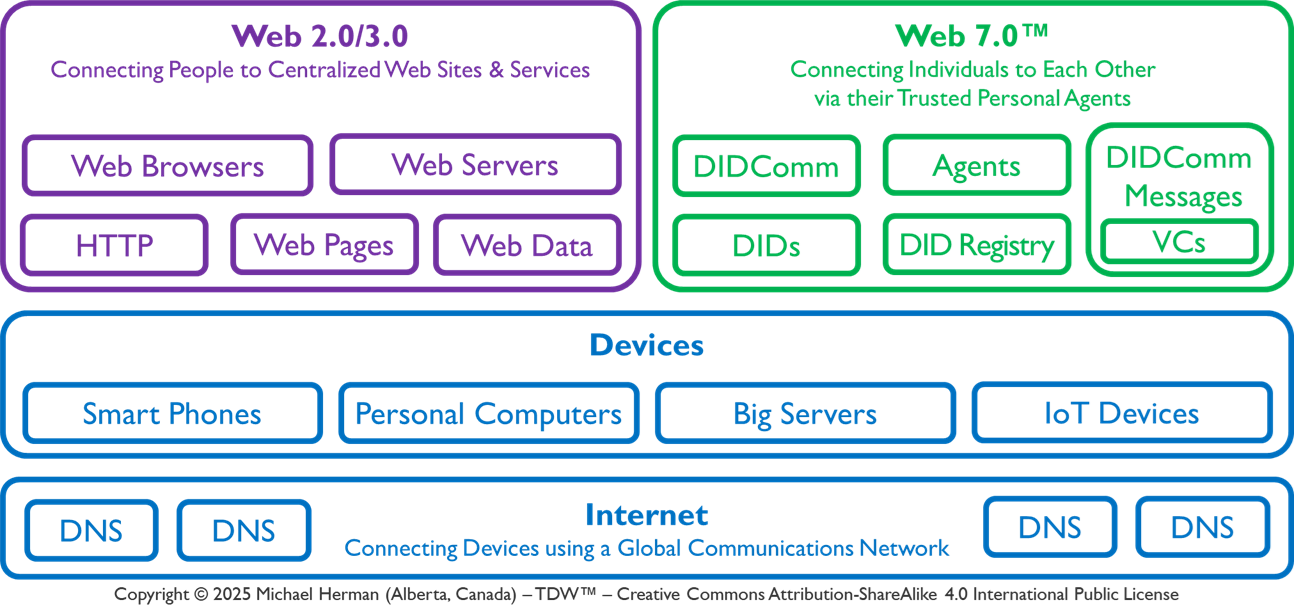
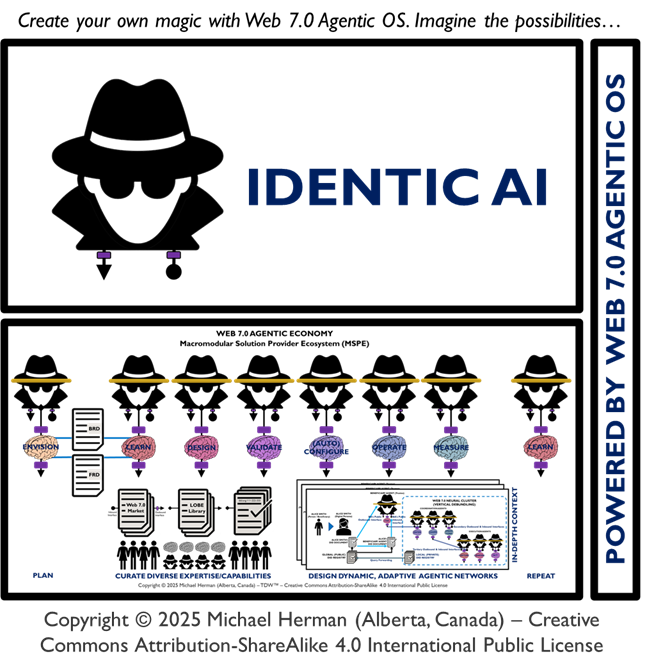
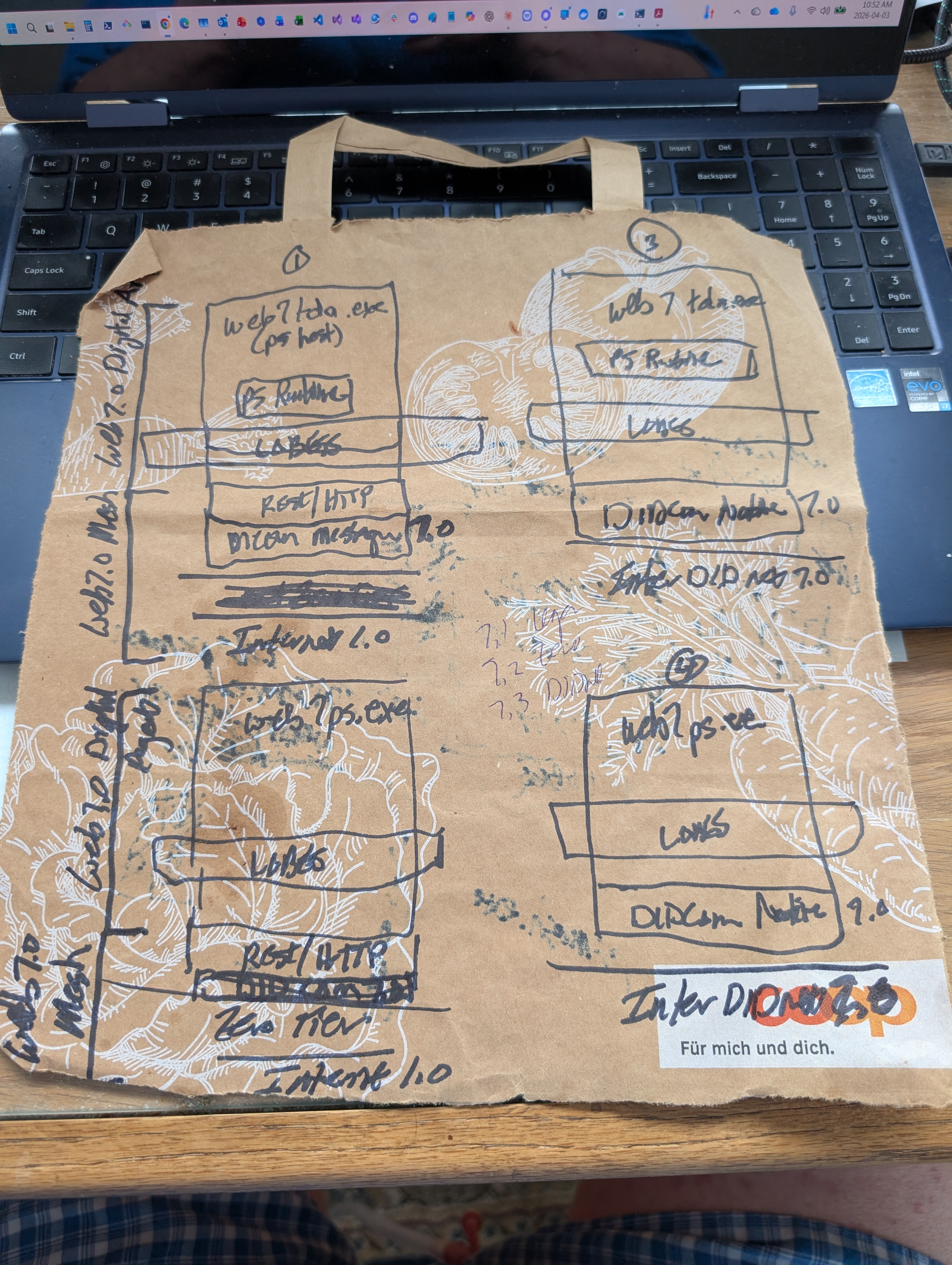
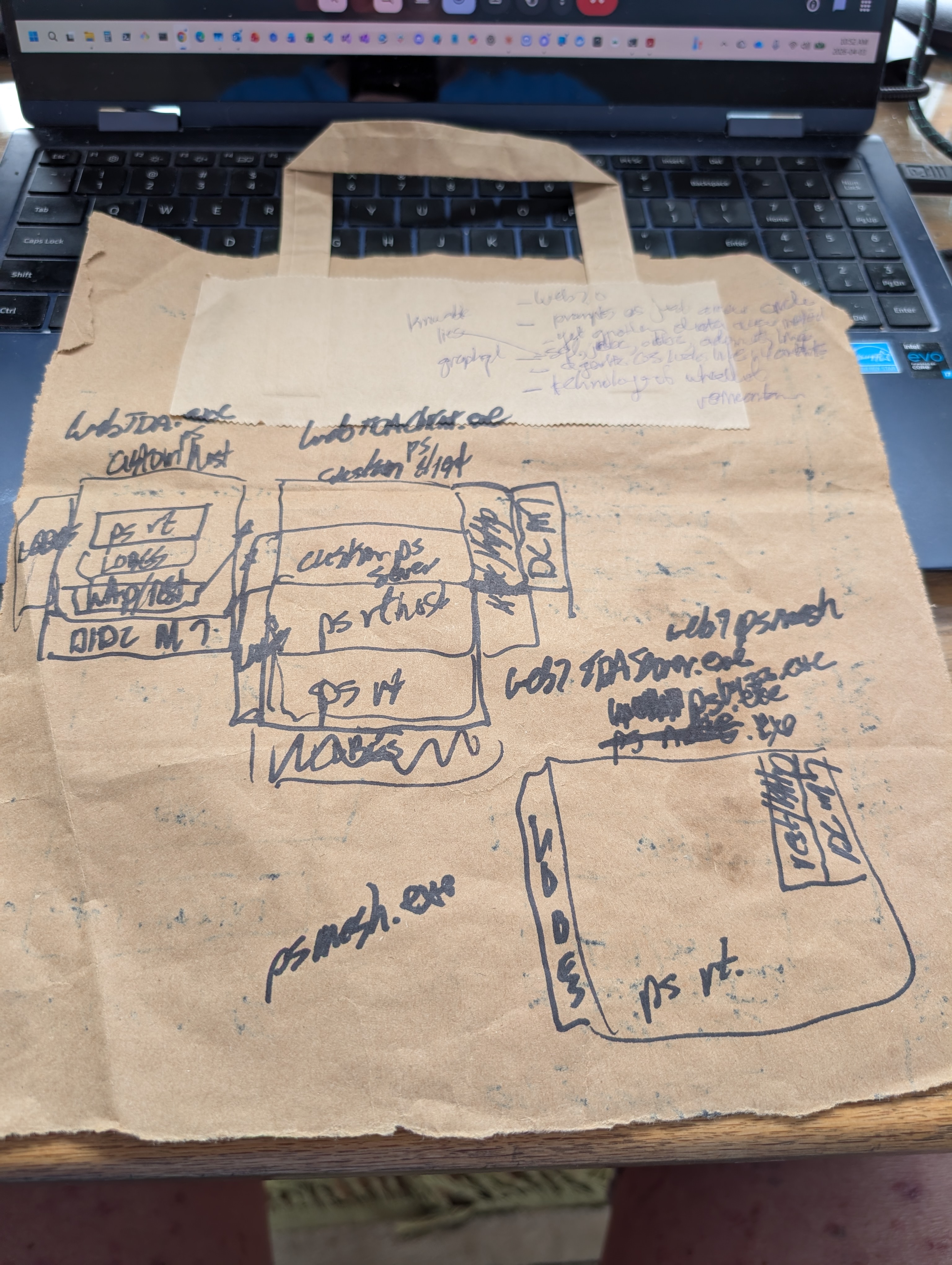
This article describes Web 7.0™ and TDW AgenticOS ™ – with a specific focus on the Web 7.0 NeuromorphicAgent Architecture Reference Model (NAARM) used by TDW AgenticOS™ to support the creation of Web 7.0 Decentralized Societies.
The intended audience for this document is a broad range of professionals interested in furthering their understanding of TDW AgenticOS for use in software apps, agents, and services. This includes software architects, application developers, and user experience (UX) specialists, as well as people involved in a broad range of standards efforts related to decentralized identity, verifiable credentials, and secure storage.
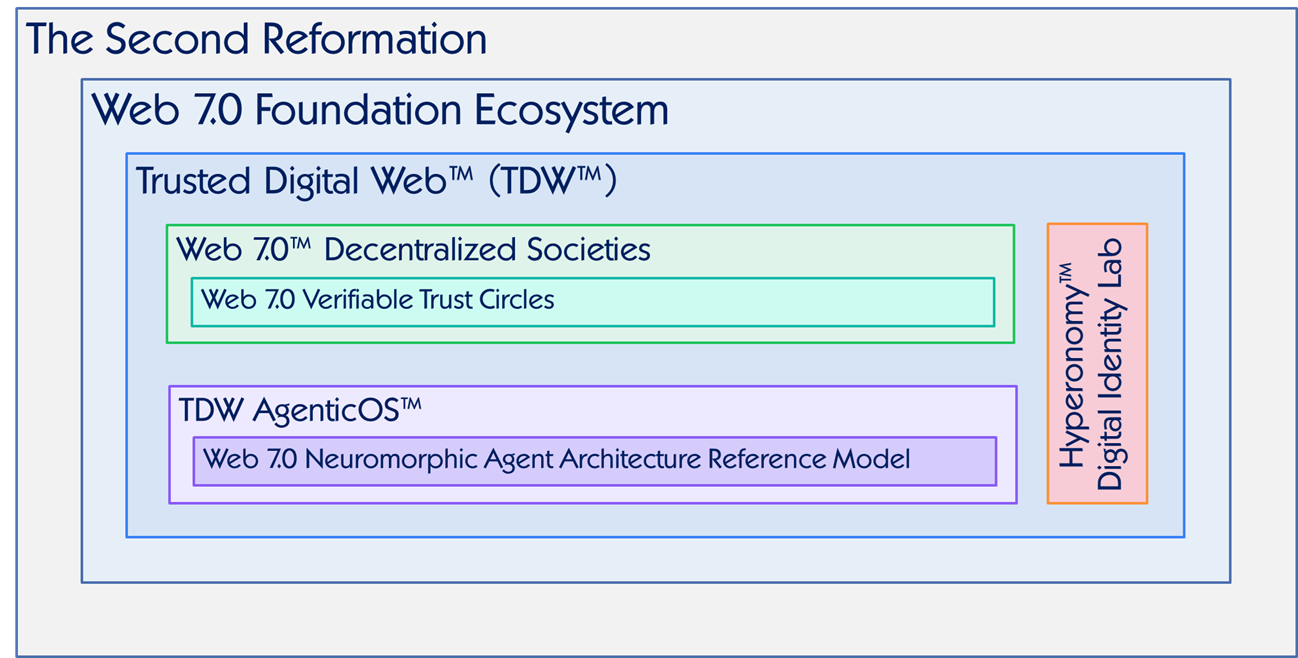
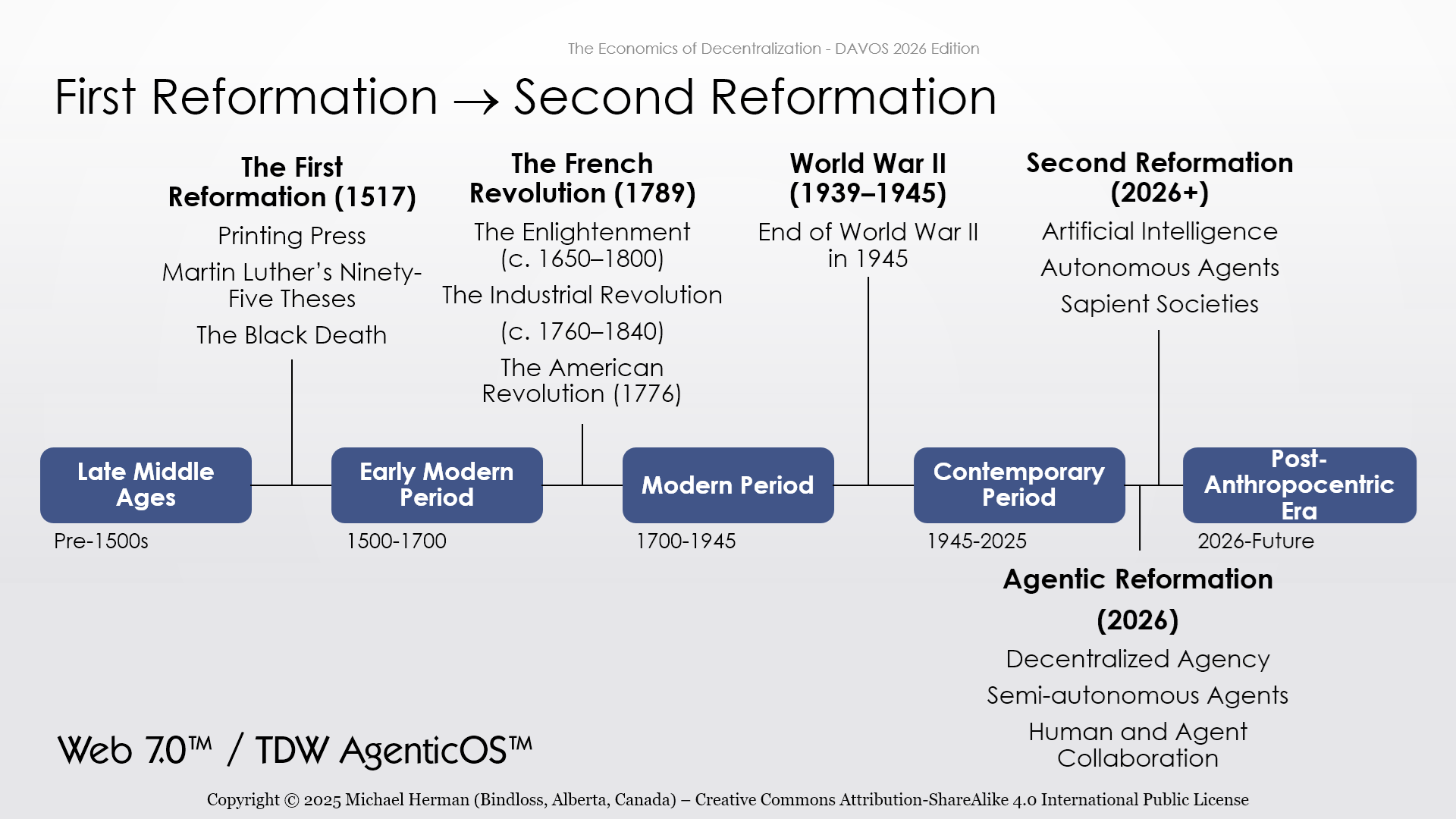
The Second Reformation
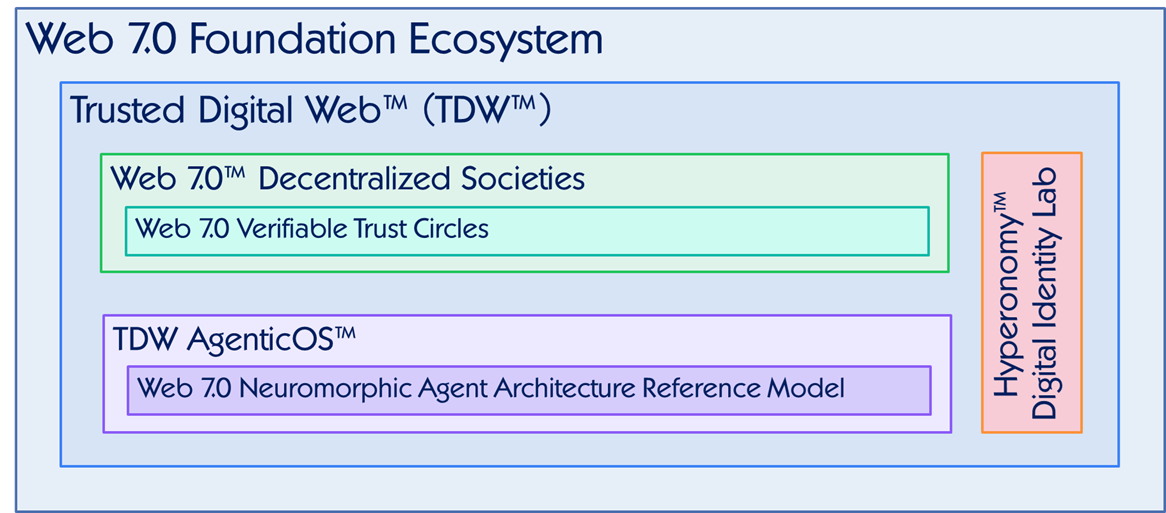
Web 7.0 Foundation Ecosystem
“Web 7.0 is a unified software and hardware ecosystem for building resilient, trusted, decentralized systems using decentralized identifiers, DIDComm agents, and verifiable credentials.” Michael Herman, Trusted Digital Web (TDW) Project, Hyperonomy Digital Identity Lab, Web 7.0 Foundation. January 2023.
TDW AgenticOS™ is a macromodular, neuromorphic agent platform for coordinating and executing complex systems of work that is:
Secure
Trusted
Open
Resilient
TDW AgenticOS™ is 100% Albertan by birth and open source.
Project “Shorthorn”
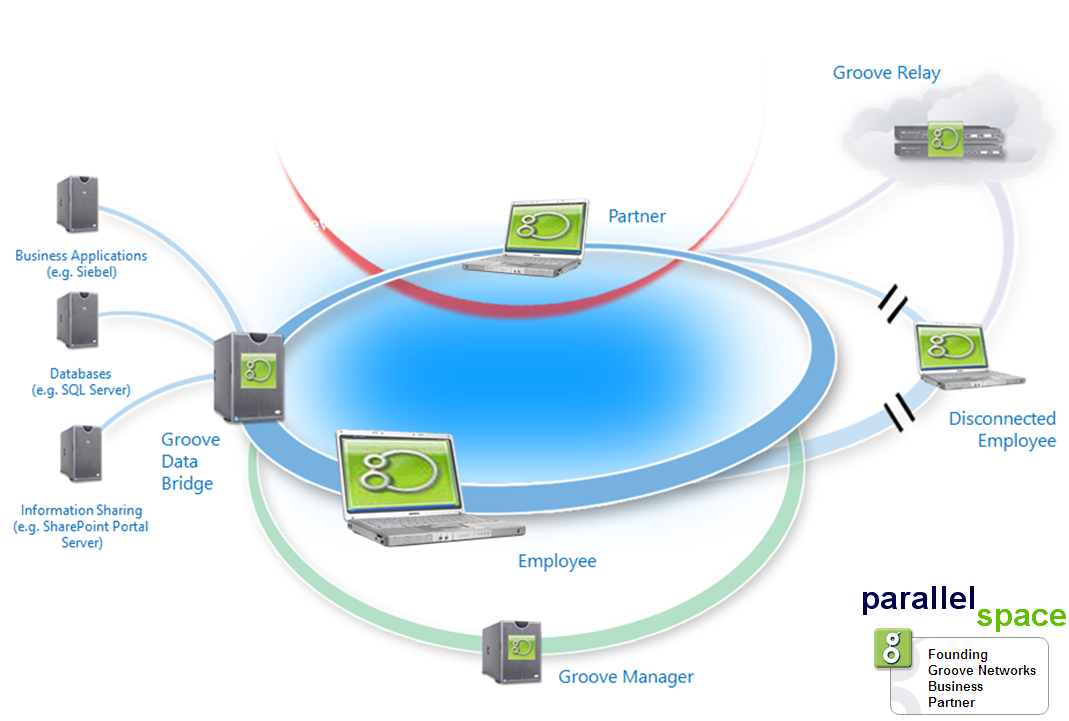
Project “Shorthorn” is a parody project name based on Microsoft’s Windows “Longhorn” WinFS project (a SQL-based Windows File System project) with which the author was involved in from a design preview and feedback, consulting, and PM technical training (Groove Workspace system architecture and operation) perspectives (circa 2001-2002).
What makes Shorthorns great: – They’re good at turning grass into meat (great efficiency). – Shorthorn cows are amazing mothers and raise strong, healthy calves (nurture great offspring). – Their genetics blend well with other breeds for strong hybrid calves (plays well with others). …and so it is with TDW AgenticOS™.
Web 7.0 Foundation
The Web 7.0 Foundation, a federally-incorporated Canadian non-profit corporation, is chartered to develop, support, promote, protect, and curate the Web 7.0 ecosystem: TDW AgenticOS operating system software, and related standards and specifications. The Foundation is based in Alberta, Canada.
What we’re building at the Web 7.0 Foundation is described in this quote from Don Tapscott and co.:
“We see an alternate path: a decentralized platform for our digital selves, free from total corporate control and within our reach, thanks to co-emerging technologies.” “A discussion has begun about “democratizing AI.” Accessibility is critical. Mostaque has argued that the world needs what he calls “Universal Basic AI.” Some in the technology industry have argued that AI can be democratized through open source software that is available for anyone to use, modify, and distribute. Mostaque argues that this is not enough. “AI also needs to be transparent,” meaning that AI systems should be auditable and explainable, allowing researchers to examine their decision-making processes. “AI should not be a single capability on monolithic servers but a modular structure that people can build on,” said Mostaque. “That can’t go down or be corrupted or manipulated by powerful forces. AI needs to be decentralized in both technology, ownership and governance.” He’s right.” You to the Power Two. Don Tapscott and co. 2025.
A Word about the Past
The Web 7.0 project has roots dating back approximately 30 years to before 1998 with the release of Alias Upfront for Windows. Subsequent to the release of Upfront (which Bill Gates designated as the “most outstanding graphics product for Microsoft Windows 3.0”), the AUSOM Application Design Framework was formalized.
AUSOM Application Design Framework
AUSOM is an acronym for A User State of Mind — the name of a framework or architecture for designing software applications that are easier to design, implement, test, document and support. In addition, an application developed using the AUSOM framework is more capable of being: incrementally enhanced, progressively installed and updated, dynamically configured and is capable of being implemented in many execution environments. This paper describes the Core Framework, the status of its current runtime implementations and its additional features and benefits.
What is AUSOM?
The AUSOM Application Design Framework, developed in 1998, is a new way to design client-side applications. The original implementation of the framework is based on a few basic concepts: user scenarios and detailed task analysis, visual design using state-transition diagrams, and implementation using traditional Windows message handlers.
The original motivation for the framework grew out of the need to implement a highly modeless user interface that was comprised of commands or tasks that were very modal (e.g. allowing the user to change how a polygon was being viewed while the user was still sketching the boundary of the polygon).
The following is essentially the same advice I received from Charles Simonyi when we were both at Microsoft (and one of the reasons why I eventually left the company in 2001).
“No problem can be solved from the same level of consciousness that created it.” [Albert Einstein] “The meaning of this quote lies in Einstein’s belief that problems are not just technical failures but outcomes of deeper ways of thinking. He suggested that when people approach challenges using the same assumptions, values, and mental habits that led to those challenges, real solutions remain out of reach. Accoding to this idea, improvement begins only when individuals are willing to step beyond familiar thought patterns and question the mindset that shaped the problem.” [Economic Times]
Simonyi et al., in the paper Intentional Software, state:
For the creation of any software, two kinds of contributions need to be combined even though they are not at all similar: those of the domain providing the problem statement and those of software engineering providing the.implementation. They need to be woven together to form the program.
TDW AgenticOS is the software for building decentralized societies.
A Word about the Future
“Before the next century is over, human beings will no longer be the most intelligent or capable type of entity on the planet. Actually, let me take that back. The truth of that last statement depends on how we define human.” Ray Kurzweil. 1999.
NOTE: “Artificial Intelligence” (or “AI”) does not appear anywhere in the remainder of this article. The northstar of the Web 7.0 project is to be a unified software and hardware ecosystem for building resilient, trusted, decentralized systems using decentralized identifiers, DIDComm agents, and verifiable credentials – regardless of whether the outcome (a Web 7.0 network) uses AI or not. Refer to Figures 4a, 4b, and 6 for a better understanding.
DIDComm Notation, a visual language for architecting and designing decentralized systems, was used to create the figures in this article.
Value Proposition
By Personna
Business Analyst – Ability to design and execute, secure, trusted business processes of arbitrary complexity across multiple parties in multiple organizations – anywhere on the planet.
Global Hyperscaler Administrators – Ability to design and execute, secure, trusted systems administration processes (executed using PowerShell) of arbitrary complexity across an unlimited number of physical or virtual servers hosted by an unlimited number of datacenters, deployed by multiple cloud (or in-house) xAAS providers – anywhere on the planet.
App Developers – Ability to design, build, deploy, and manage secure, trusted network-effect-by-default apps of arbitrary complexity across multiple devices owned by anybody – anywhere on the planet.
Smartphone Vendors – Ability to upsell a new category of a second device, a Web 7.0 Always-on Trusted Digital Assistant – a pre-integrated hardware and software solution, that pairs with the smart device that a person already owns. Instead of a person typically purchasing/leasing one smartphone, they can now leverage a Web 7.0-enabled smartphone bundle that also includes a secure, trusted, and decentralized communications link to a Web 7.0 Always-on Trusted Digital Assistant deployed at home (or in a cloud of their choosing).
Digital Church/Religion Builders – Ability to create a new decentralized digital religion for 1 billion people in Communist China.
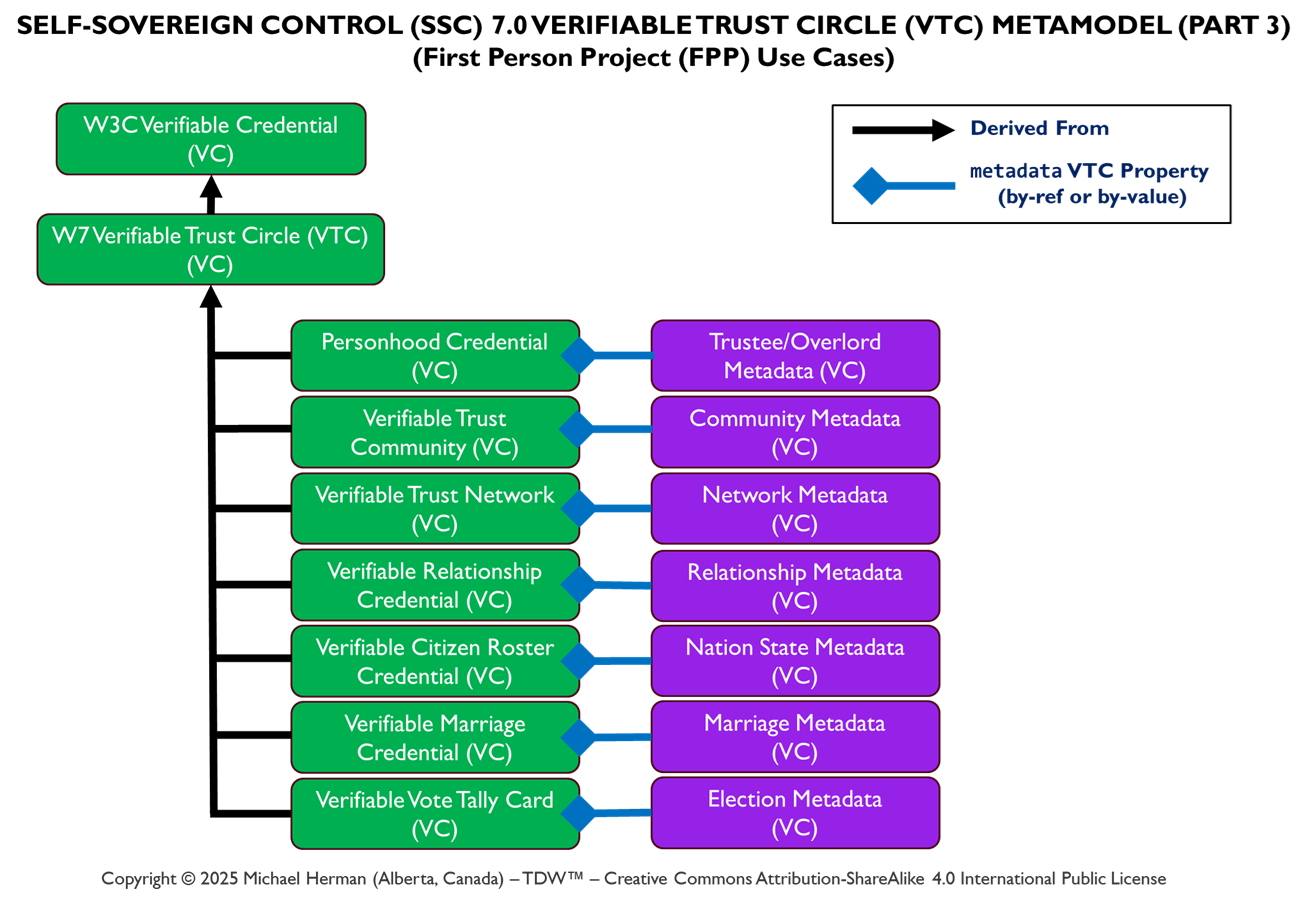
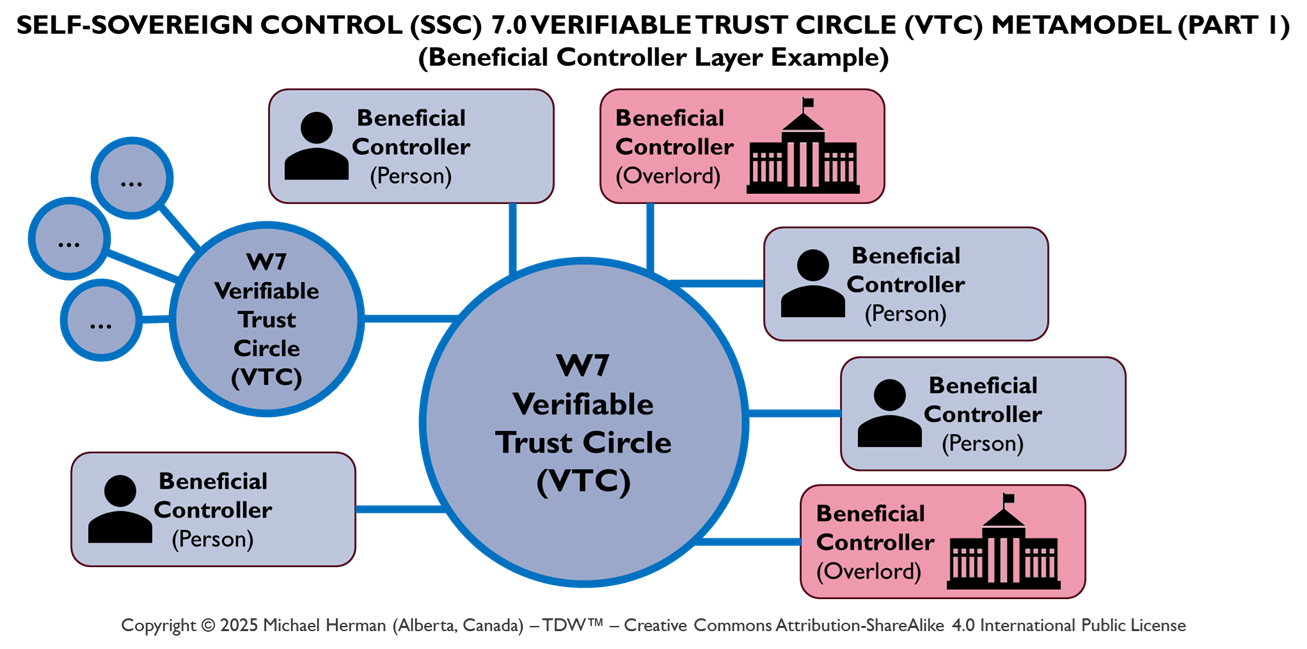
By Trust Relationship (Verifiable Trust Circle (VTC))
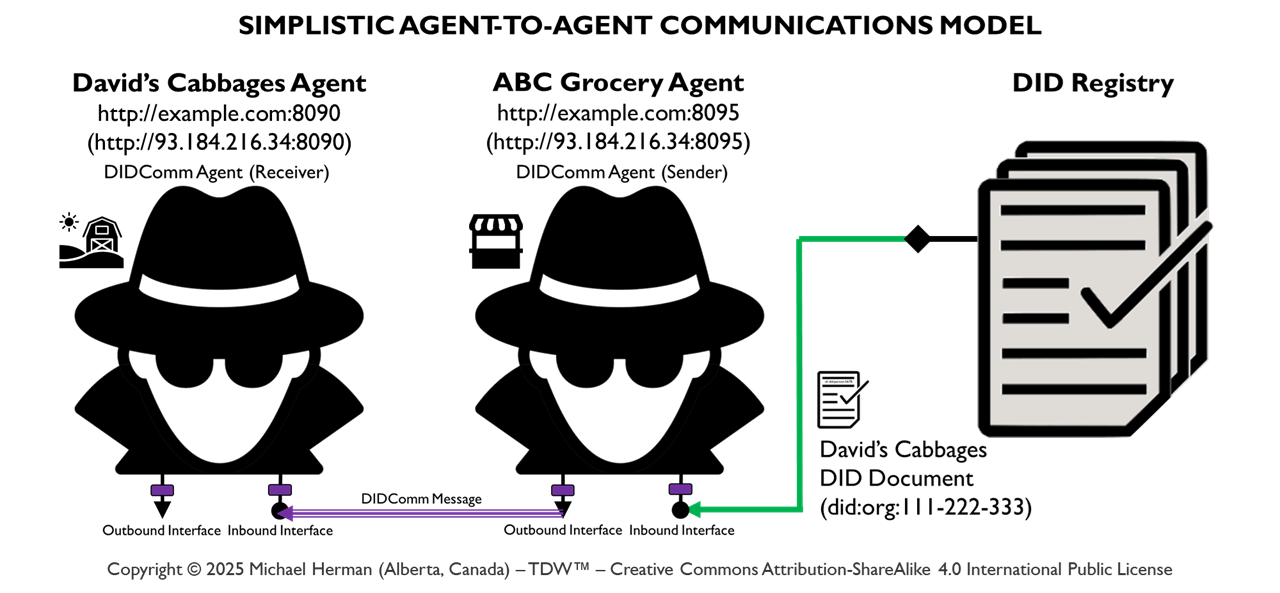
Secure, Trusted Agent-to-Agent Messaging Model
Figure 0. Simple Agent-to-Agent Communications Model
Figure 0. depicts the design of a typical simple agent-to-agent communications model. DIDComm Notation was used to create the diagram.
TDW AgenticOS: Conceptual and Logical Architecture
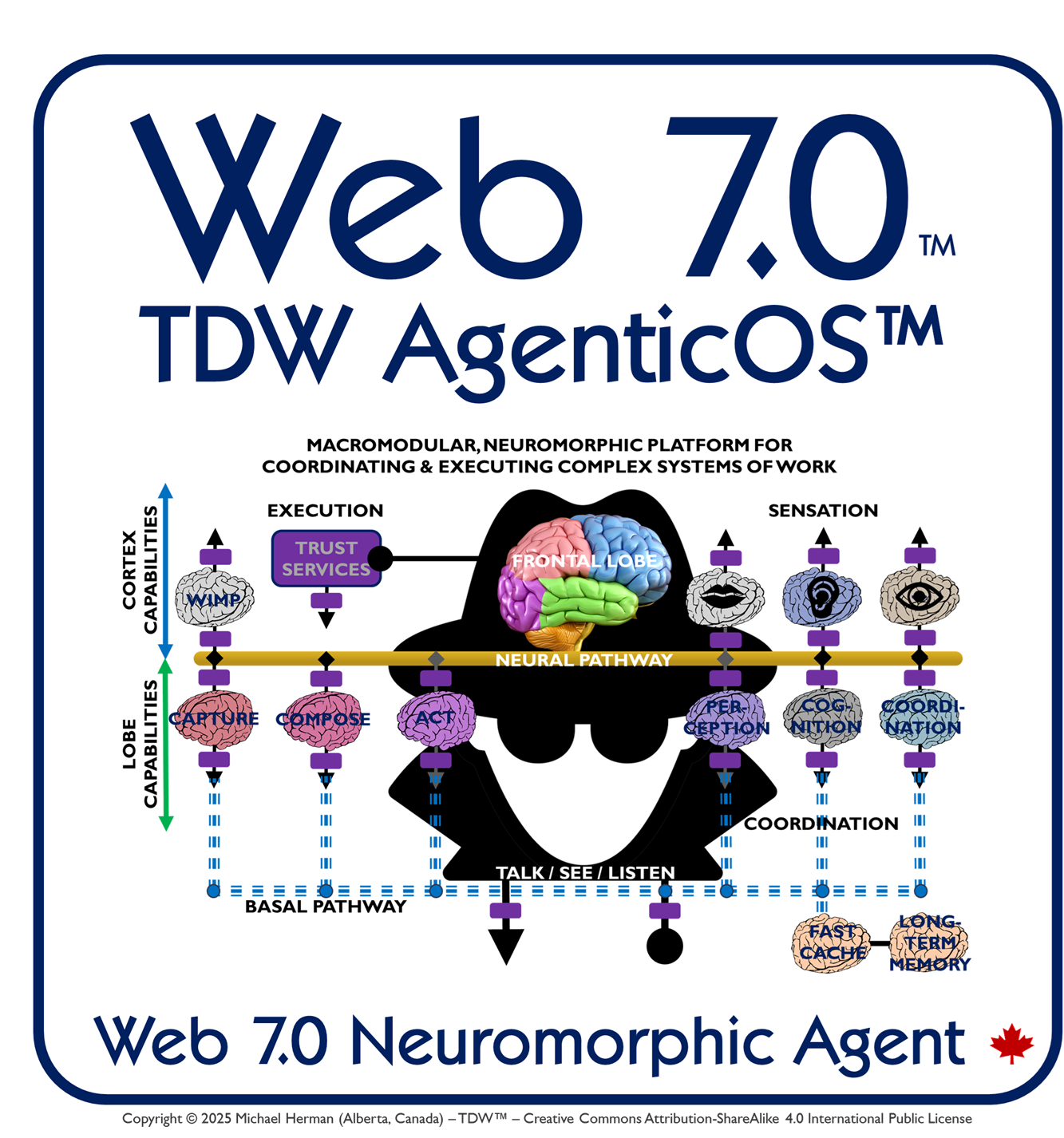
The Web 7.0 architecture is illustrated in the following figure.
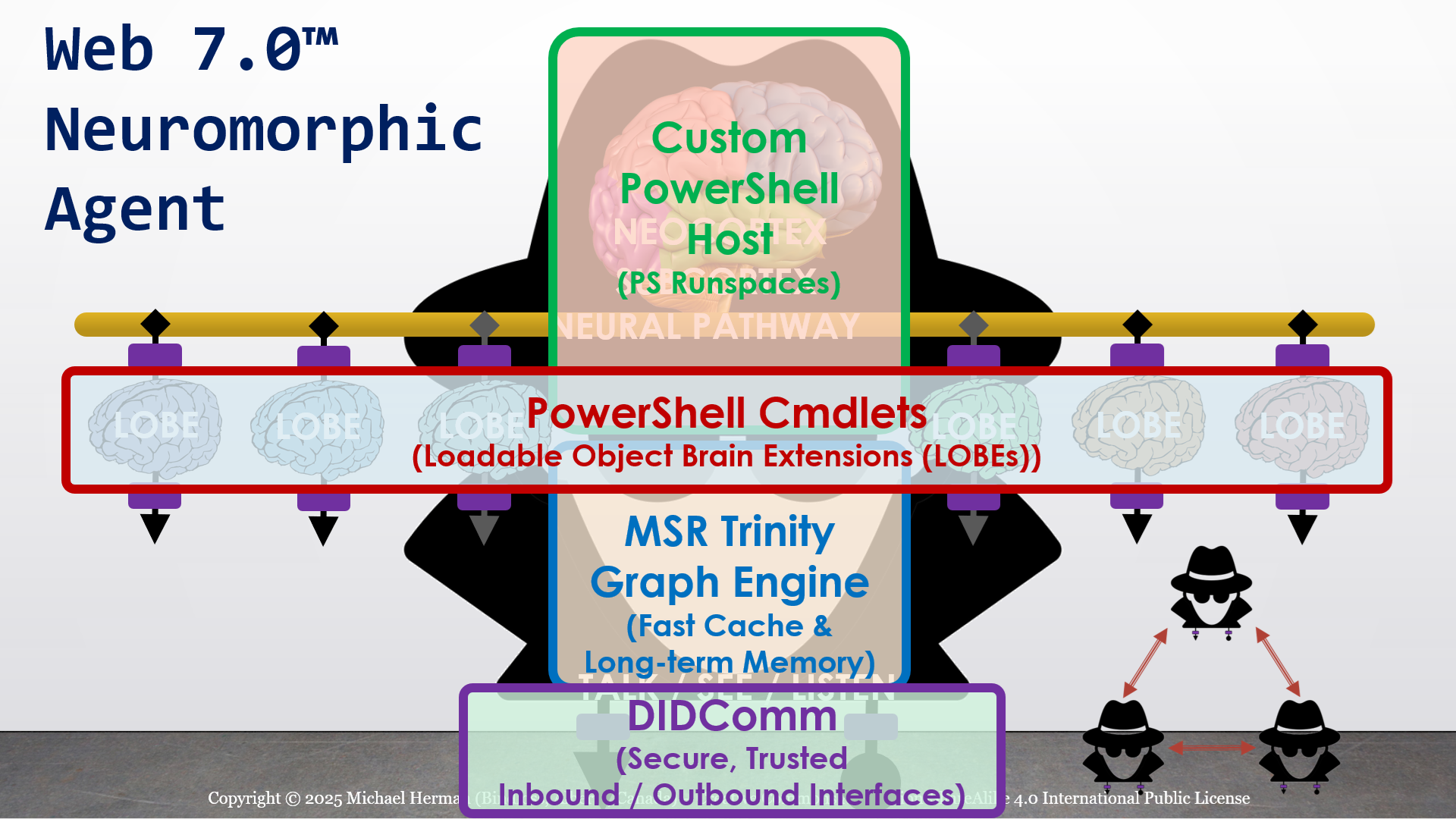
Figure 1. Web 7.0 Neuromorphic Agent
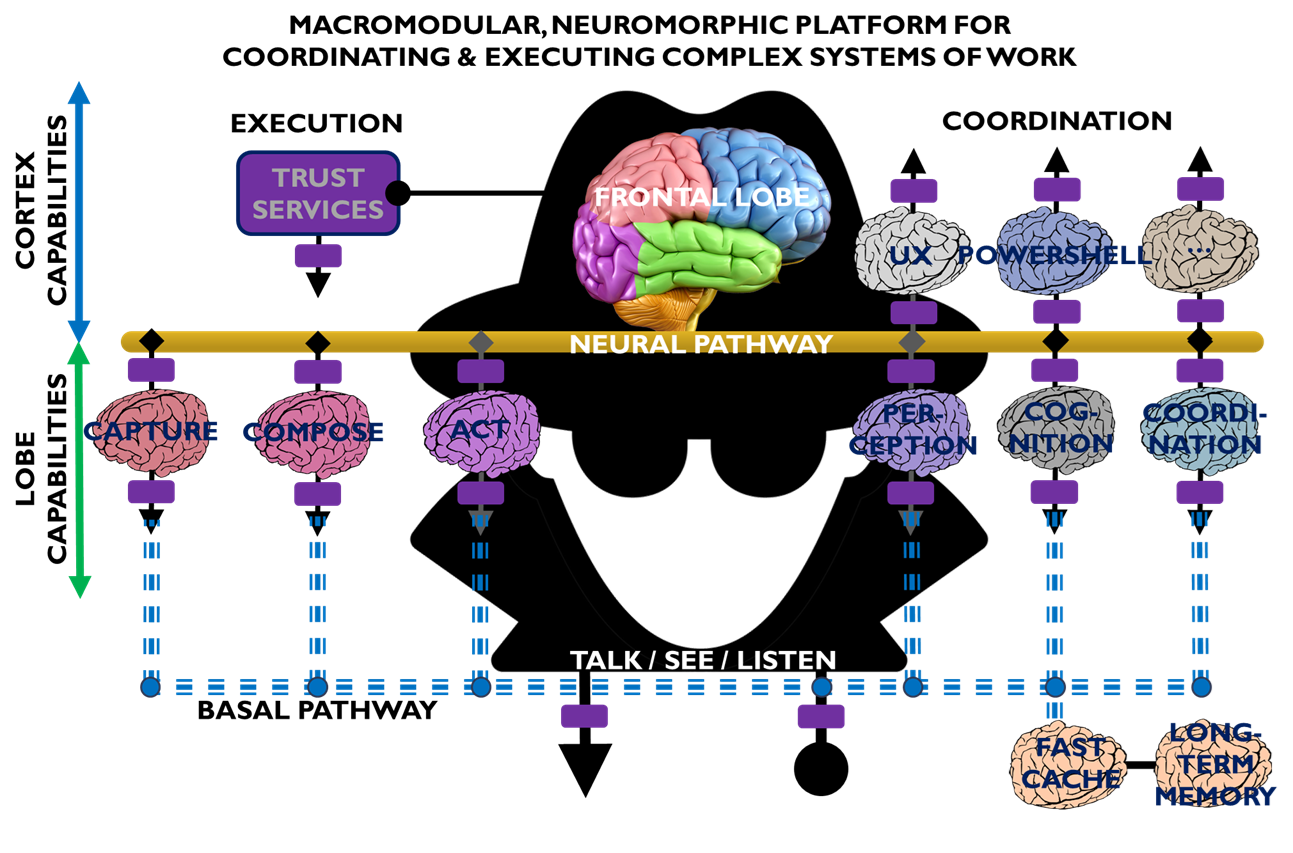
Figure 1 is an all-in illustration of the conceptual architecture of a Web 7.0 Neuromorphic Agent. A Web 7.0 Agent is comprised of a Frontal LOBE and the Neural Messaging pathway. An Agent communicates with the outside world (other Web 7.0 Agents) using its Outbound (Talking), Seeing, and Inbound (Listening) Interfaces. Agents can be grouped together into Neural Clusters to form secure and trusted multi-agent organisms. DIDComm/HTTP is the default secure digital communications protocol (see DIDComm Messages as the Steel Shipping Containers of Secure, Trusted Digital Communication). The Decentralized Identifiers (DIDs) specification is used to define the Identity layer in the Web 7.0 Messaging Superstack (see Figure 6 as well as Decentralized Identifiers (DIDs) as Barcodes for Secure, Trusted Digital Communication).
An agent remains dormant until it receives a message directed to it and returns to a dormant state when no more messages are remaining to be processed. An agent’s message processing can be paused without losing any incoming messages. When an agent is paused, messages are received, queued, and persisted in long-term memory. Message processing can be resumed at any time.
Additionally, an Agent can include a dynamically changing set of Coordination and Execution LOBEs. These LOBEs enable an Agent to capture events (incoming messages), compose responses (outgoing messages), and share these messages with one or more Agents (within a specific Neural Cluster or externally with the Beneficial Agent in other Neural Clusters (see Figure 5)).
What is a LOBE?
LOBE (Loadable Object Brain Extensions) is a macromodular, neuromorphic intelligence framework designed to let systems grow, adapt, and evolve by making it easy to add new capabilities at any time. Each LOBE is a dynamically Loadable Object — a self-contained cognitive module that extends the Frontal LOBE’s functionality, whether for perception, reasoning, coordination, or control (execution). Together, these LOBEs form a dynamic ecosystem of interoperable intelligence, enabling developers to construct distributed, updatable, and extensible minds that can continuously expand their understanding and abilities.
LOBEs lets intelligence and capability grow modularly. Add new lobes, extend cognition, and evolve systems that learn, adapt, and expand over time. Expand your brain. A brain that grows with every download.
What is a NeuroPlex?
A Web 7.0 Neuroplex (aka a Neuro) is a dynamically composed, decentralized, message-driven cognitive solution that spans one or more agents, each with its own dynamically configurable set of LOBEs (Loadable Object Brain Extensions). Each LOBE is specialized for a particular type of message. Agents automatically support extraordinarily efficient by-reference, in-memory, intra-agent message transfers. A Web 7.0 Neuroplex is not a traditional application or a client–server system, but an emergent, collaborative execution construct assembled from independent, socially-developed cognitive components (LOBEs) connected together by messages. Execution of a Neuroplex is initiated with a NeuroToken.
Horizontal Unbundling: Coordination and Execution Agents
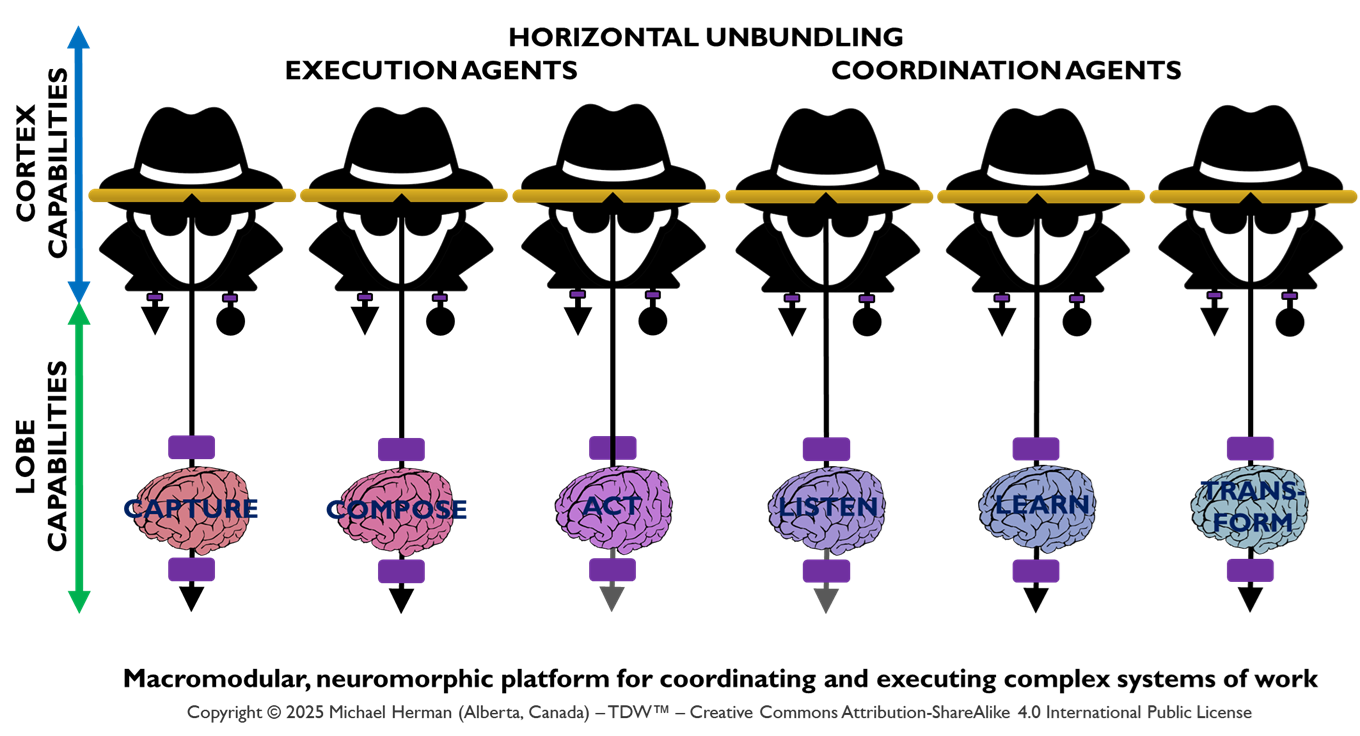
Figure 2 illustrates how the deployment of Coordination and Execution LOBEs can be horizontally unbundled – with each LOBE being assigned to a distinct Frontal LOBE. This is an extreme example designed to underscore the range of deployment options that are possible. Figure 3 is a more common pattern.
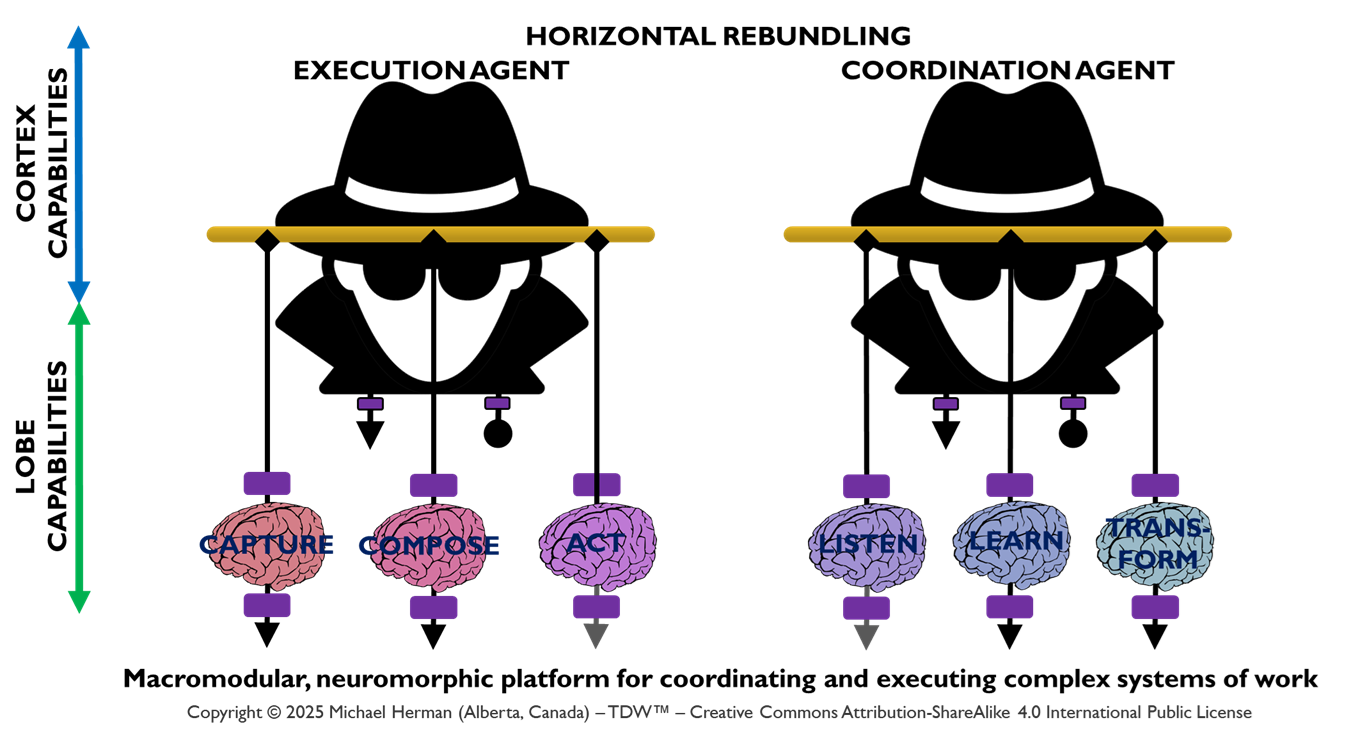
Figure 3 depicts a more common/conventional deployment pattern where, within a Neural Cluster, a small, reasonable number of Frontal LOBEs host any collection of Coordination and/or Execution LOBEs.
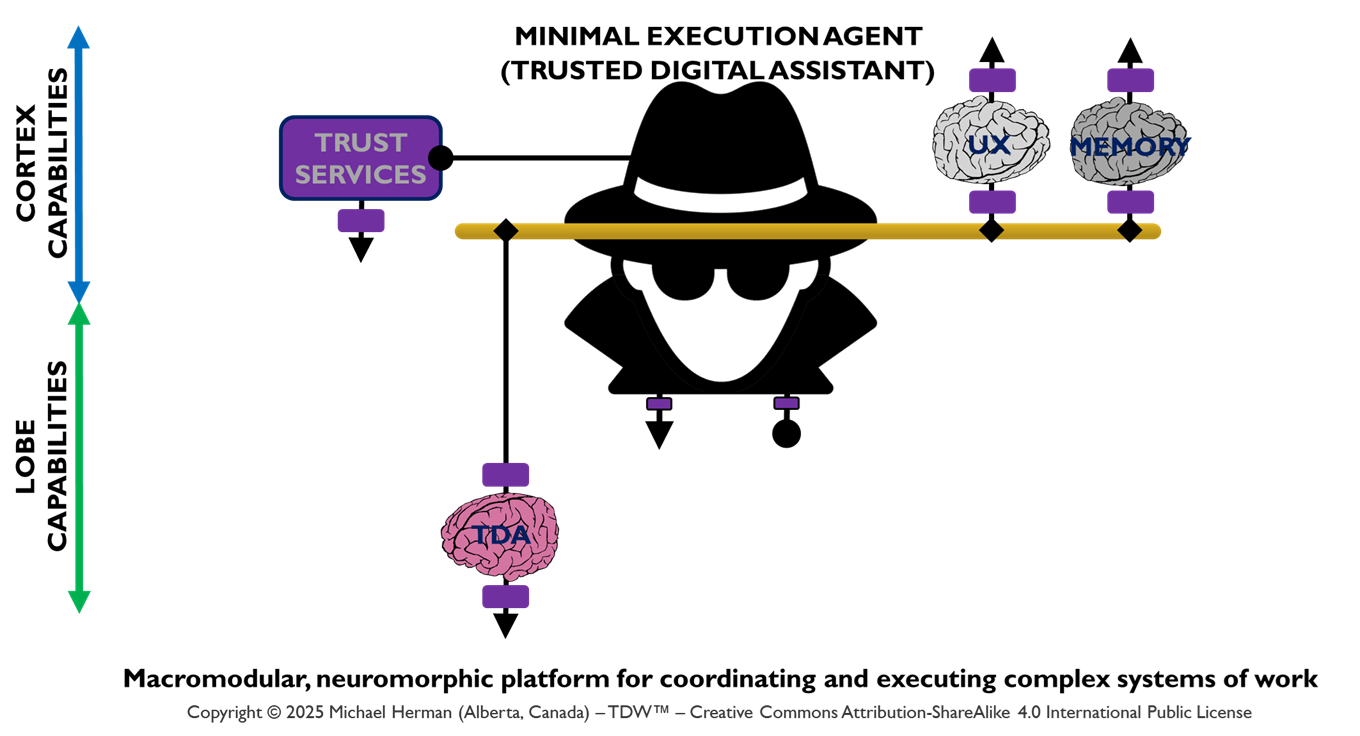
Minimal Execution Agent (Trusted Digital Assistant)
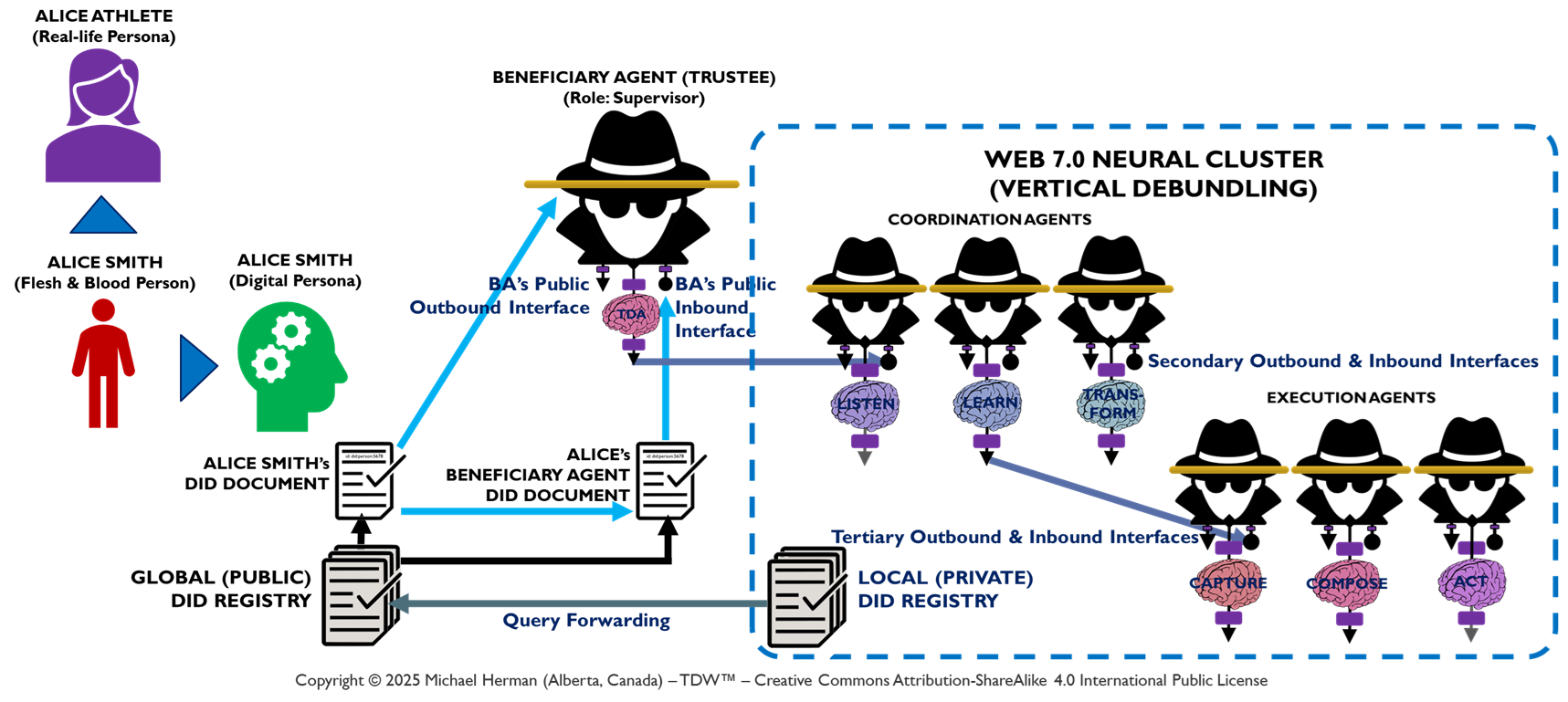
Figure 5 depicts the deployment of a Web 7.0 Neural Cluster. Messages external to the Neural Cluster are only sent/received from the Beneficial Agent. Any additional messaging is limited to the Beneficial, Coordination, and Execution LOBEs deployed within the boundary of a Neural Cluster. A use case that illustrates the Neural Cluster model can be found in Appendix D – PWC Multi-Agent Customer Support Use Case.
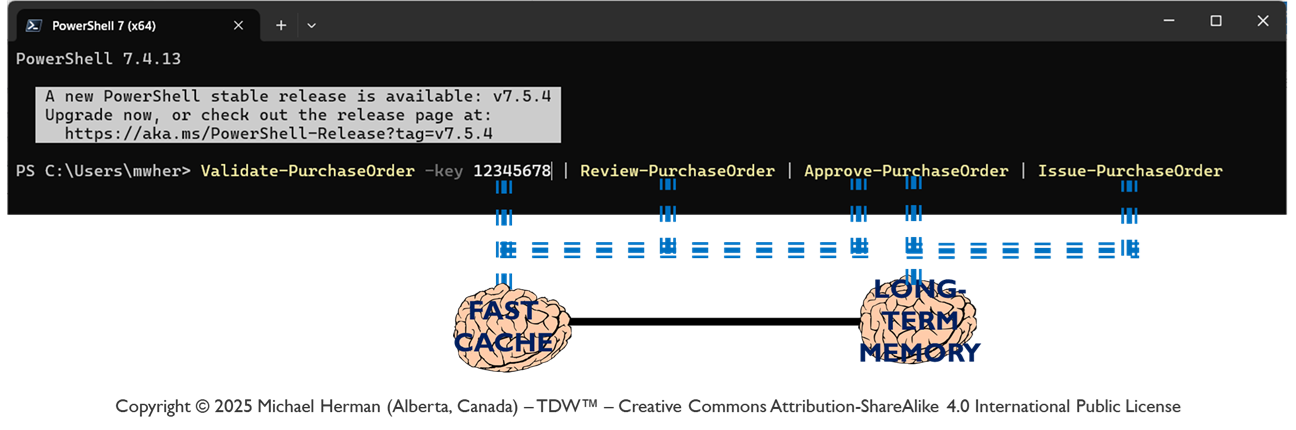
Figure 6a is an all-in illustration of the conceptual architecture of a Web 7.0 Neuromorphic Agent. DIDComm Messages can be piped from the Outbound Interface of the Sender agent to the Inbound Agent of of Receiver agent – supporting the composition of secure, trusted agent-to-agent pipelines similar (but superior) to: i) UNIX command pipes (based on text streams), and ii) PowerShell pipelines (based on a .NET object pump implemented by calling ProcessObject() in the subsequent cmdlet in the pipeline).
NOTE: PowerShell does not clone, serialize, or duplicate .NET objects when moving them through the pipeline (except in a few special cases). Instead, the same instance reference flows from one pipeline stage (cmdlet) to the next …neither does DIDComm 7.0 for DIDComm Messages.
Bringing this all together, a DIDComm Message (DIDMessage) can be passed, by reference, from LOBE (Agenlet) to LOBE (Agenlet), in-memory, without serialization/deserialization or physical transport over HTTP (or any other protocol).
PowerShell
DIDComm 7.0
powershell.exe
tdwagent.exe
Cmdlet
LOBE (Loadable Object Brain Extension)
.NET Object
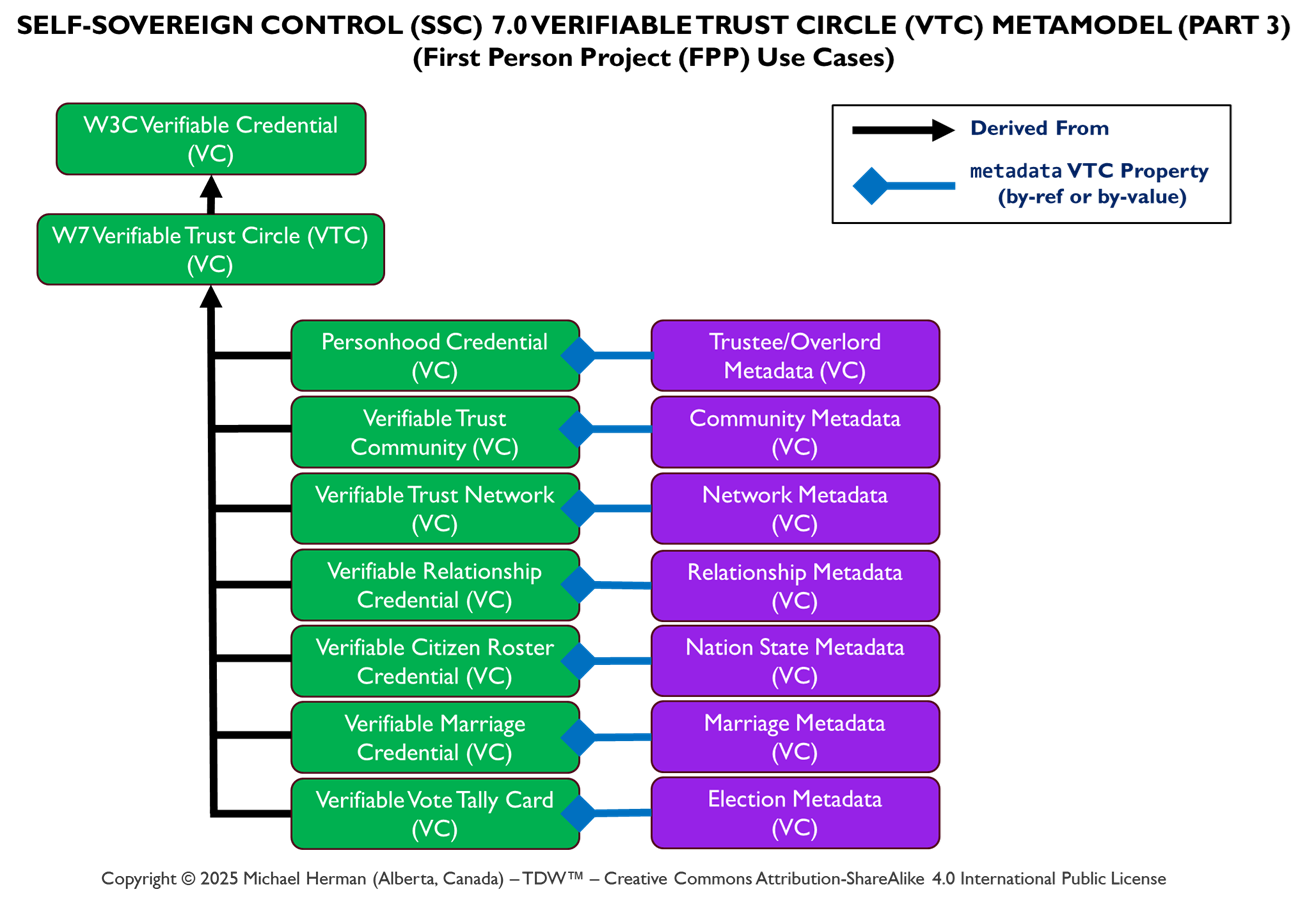
Verifiable Credential (VC)
PSObject (passed by reference)
DIDMessage (JWT) (passed by reference)
PowerShell Pipeline
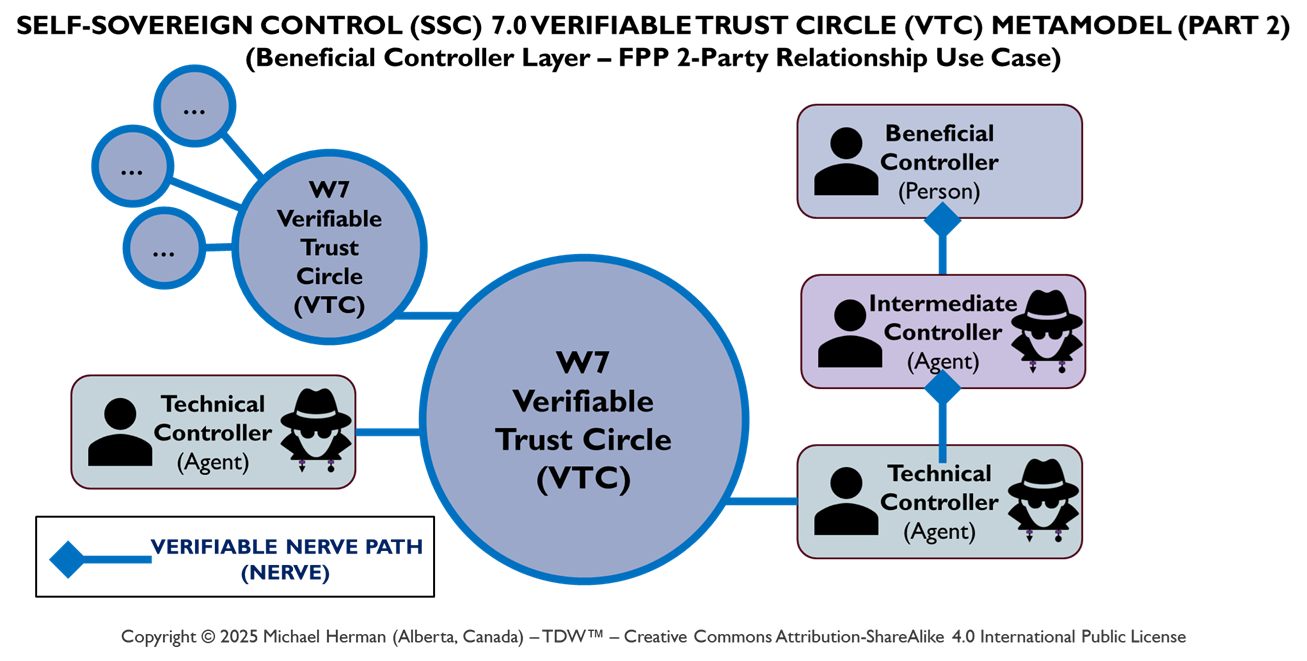
Web 7.0 Verifiable Trust Circle (VTC)
Serial Routing (primarily)
Arbitrary Graph Routing (based on Receiver DID, Sender DID, and DID Message type)
Feedback from a reviewer: Passing DIDComm messages by reference like you’re describing is quite clever. A great optimization.
Coming to a TDW LOBE near you…
DIDComm 7.0 Superstack
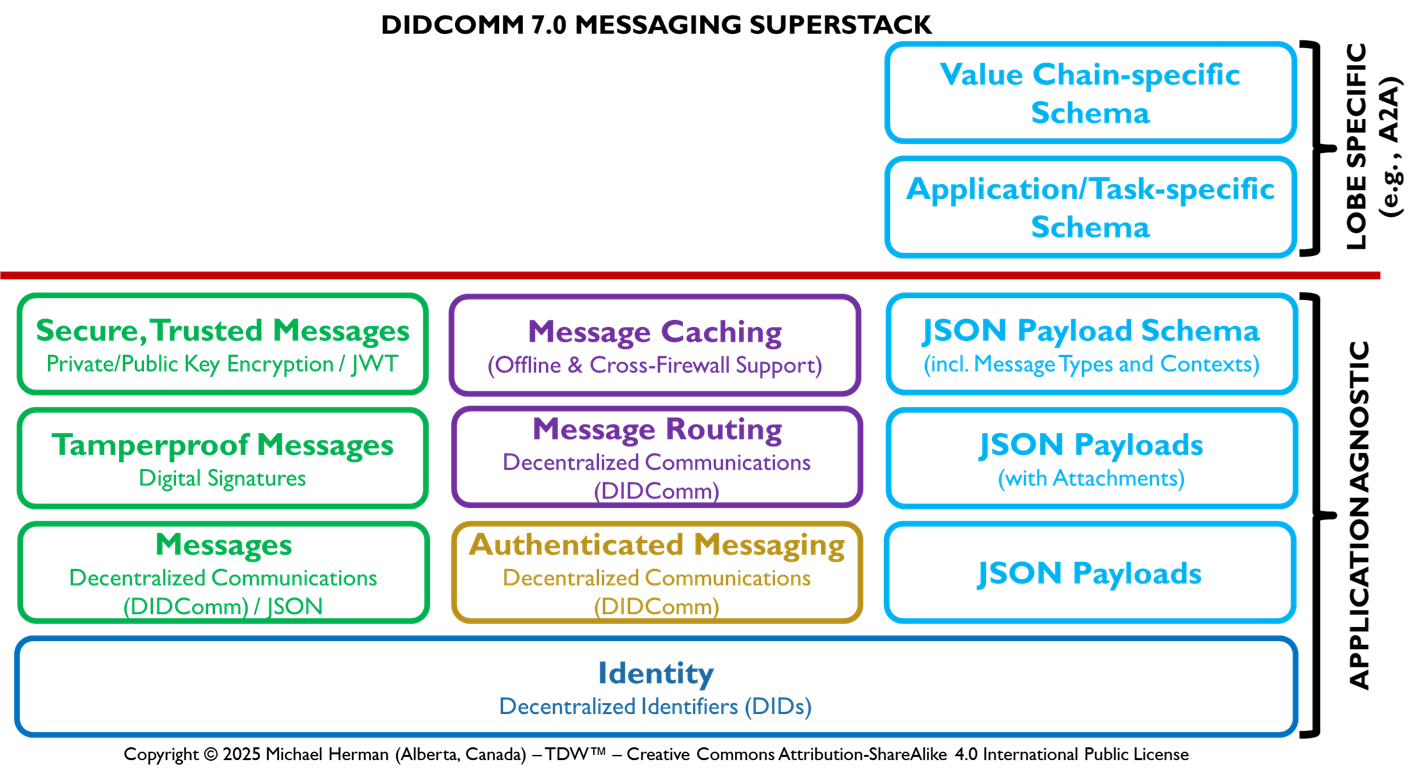
Figure 6b. DIDComm 7.0 Messaging Superstack
Figure 6b illustrates the interdependencies of the multiple layers within the DIDComm 7.0 Superstack.
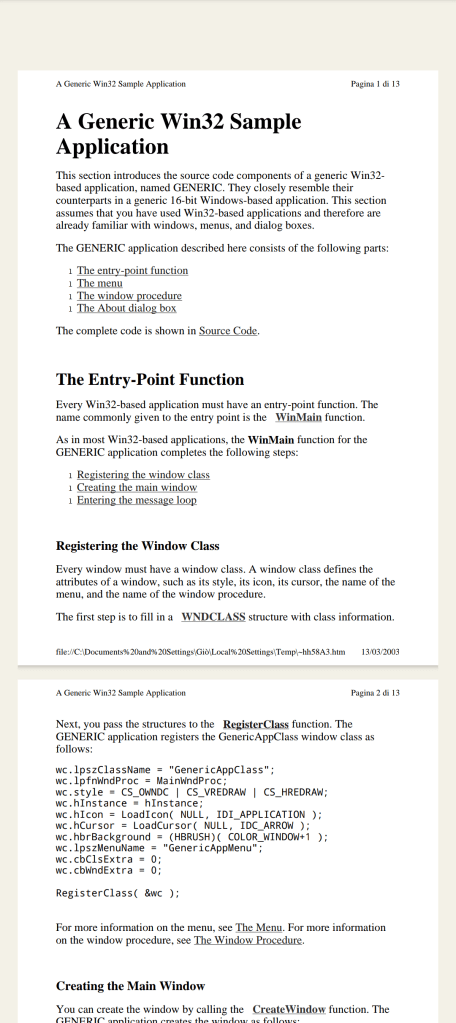
Technology Wheel of Reincarnation: Win32 generic.c
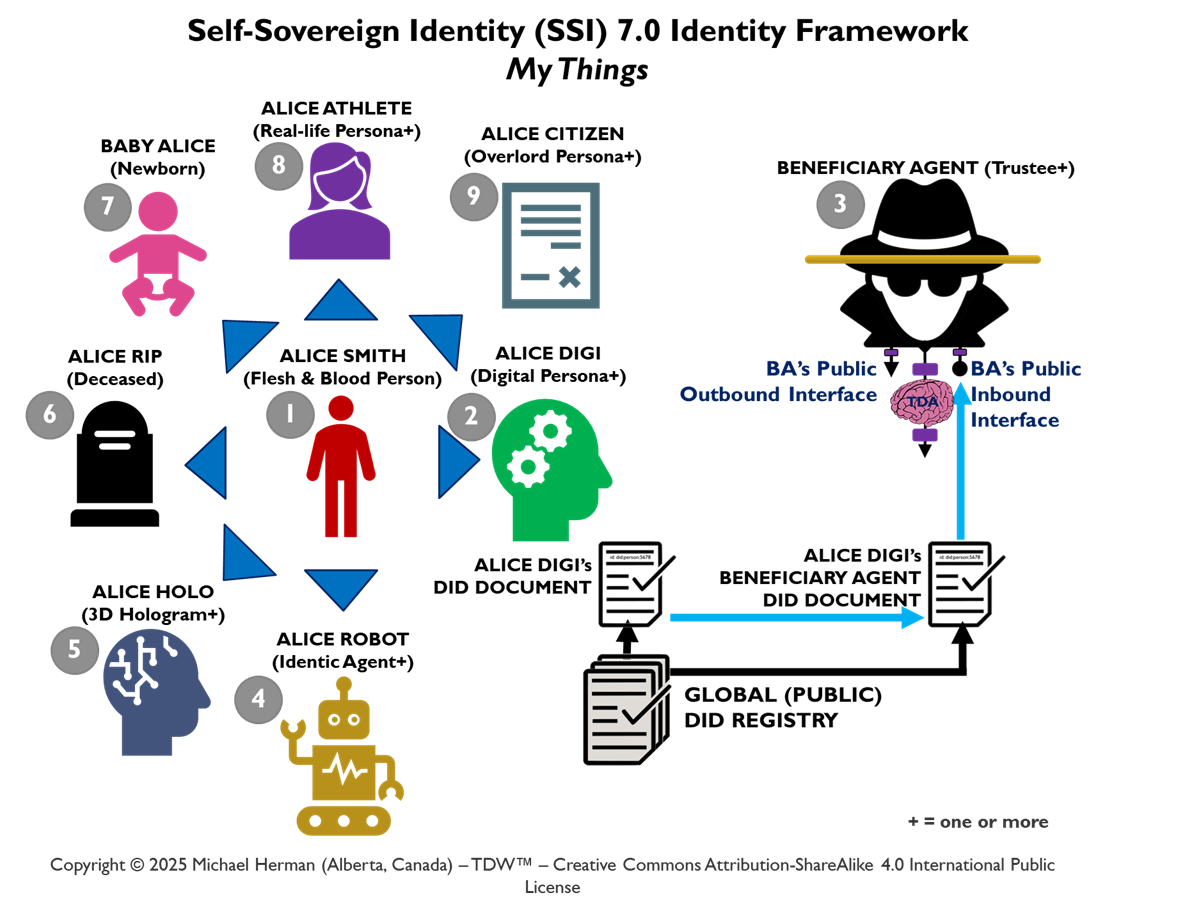
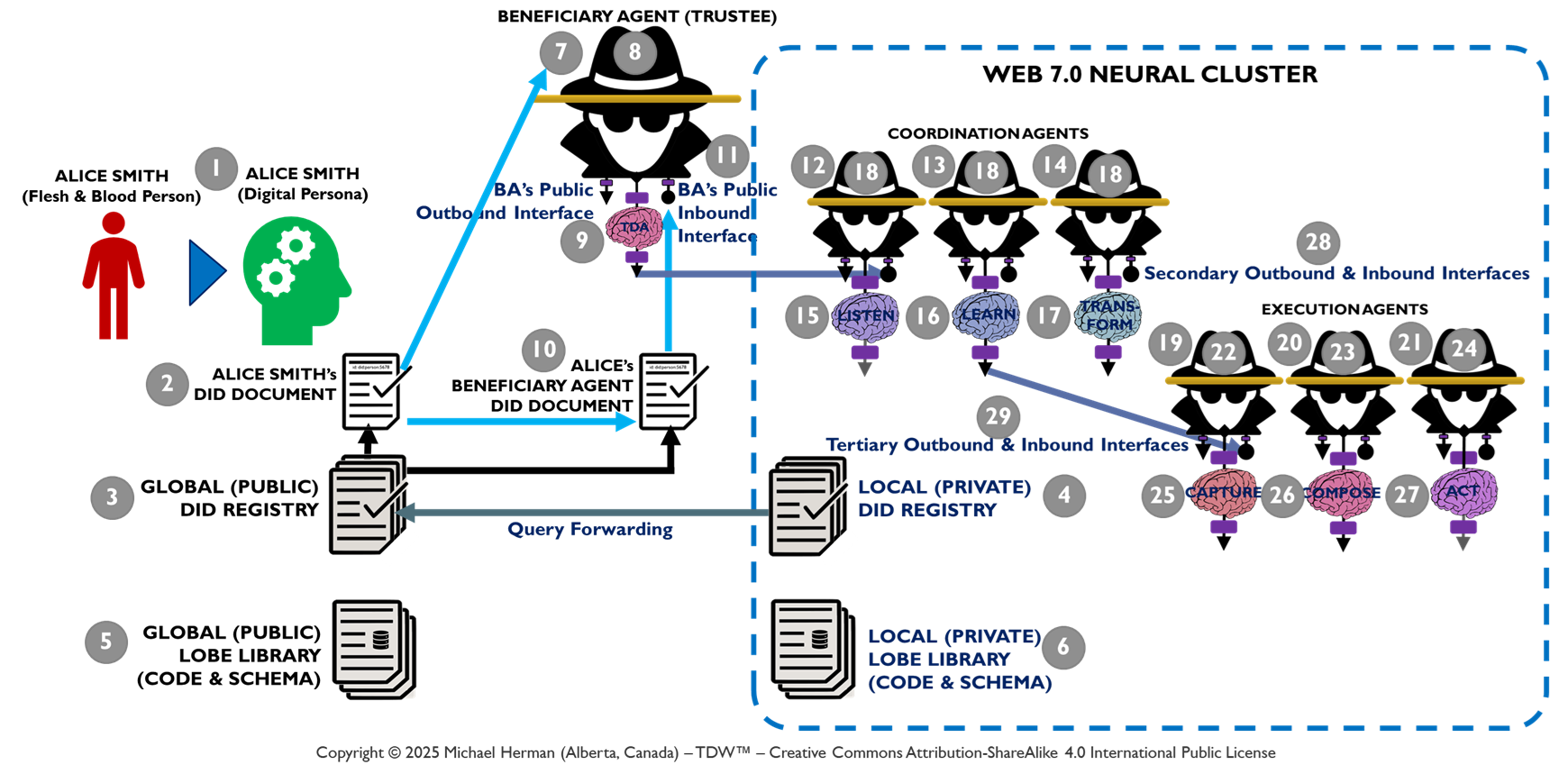
Figure 7. Web 7.0 Neuromorphic Agent Identity Model (NAIM)
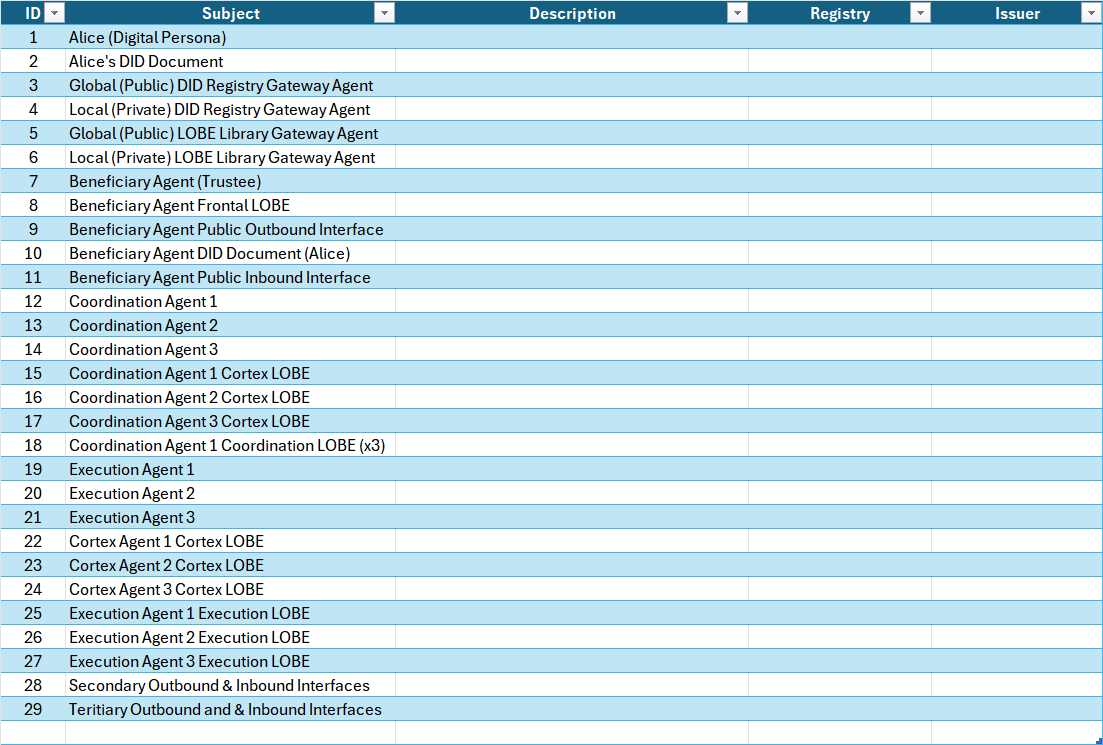
The NAIM seeks to enumerate and identify all of the elements in the AARM that have or will need an identity (DID and DID Document). This is illustrated in Figure 7.
Table 1. Web 7.0 Neuromorphic Agent Identity Model (NAIM) Chart
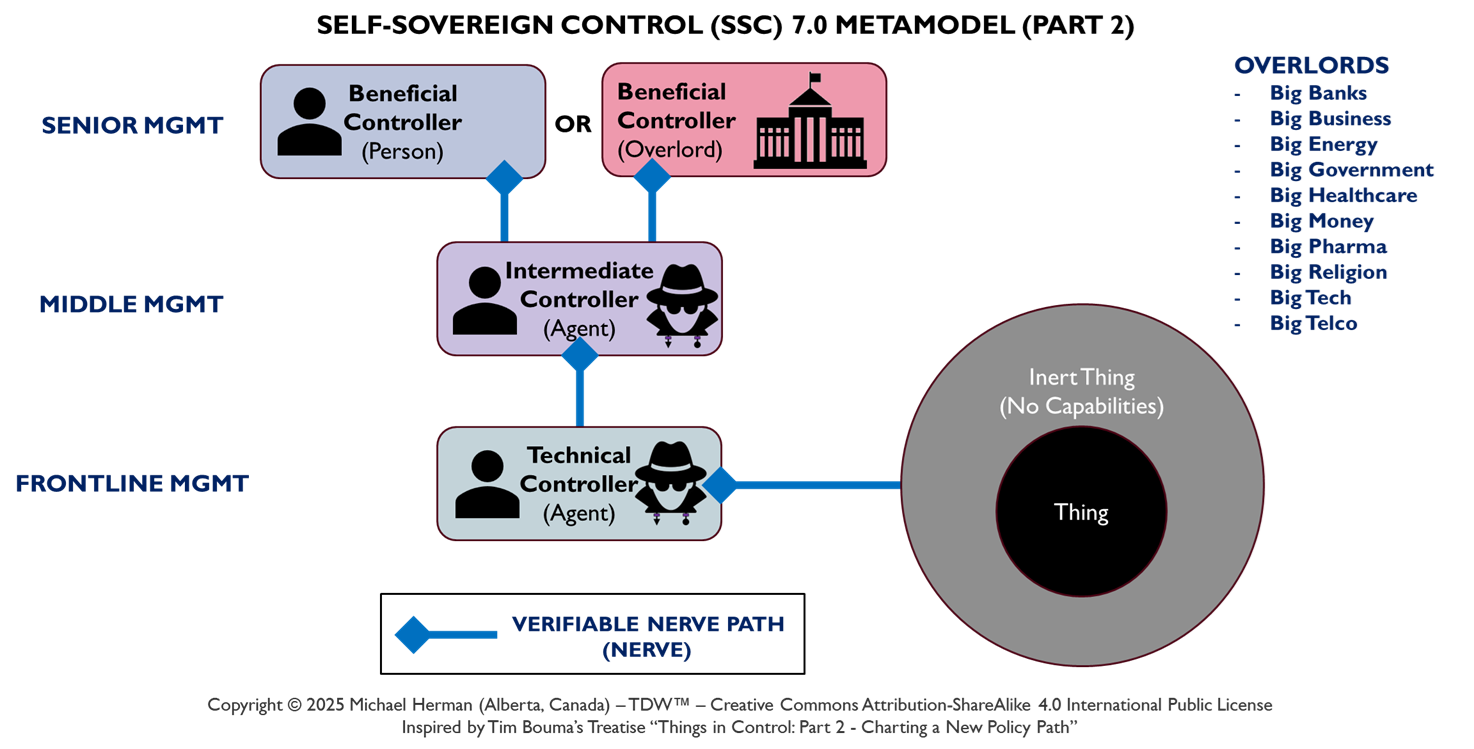
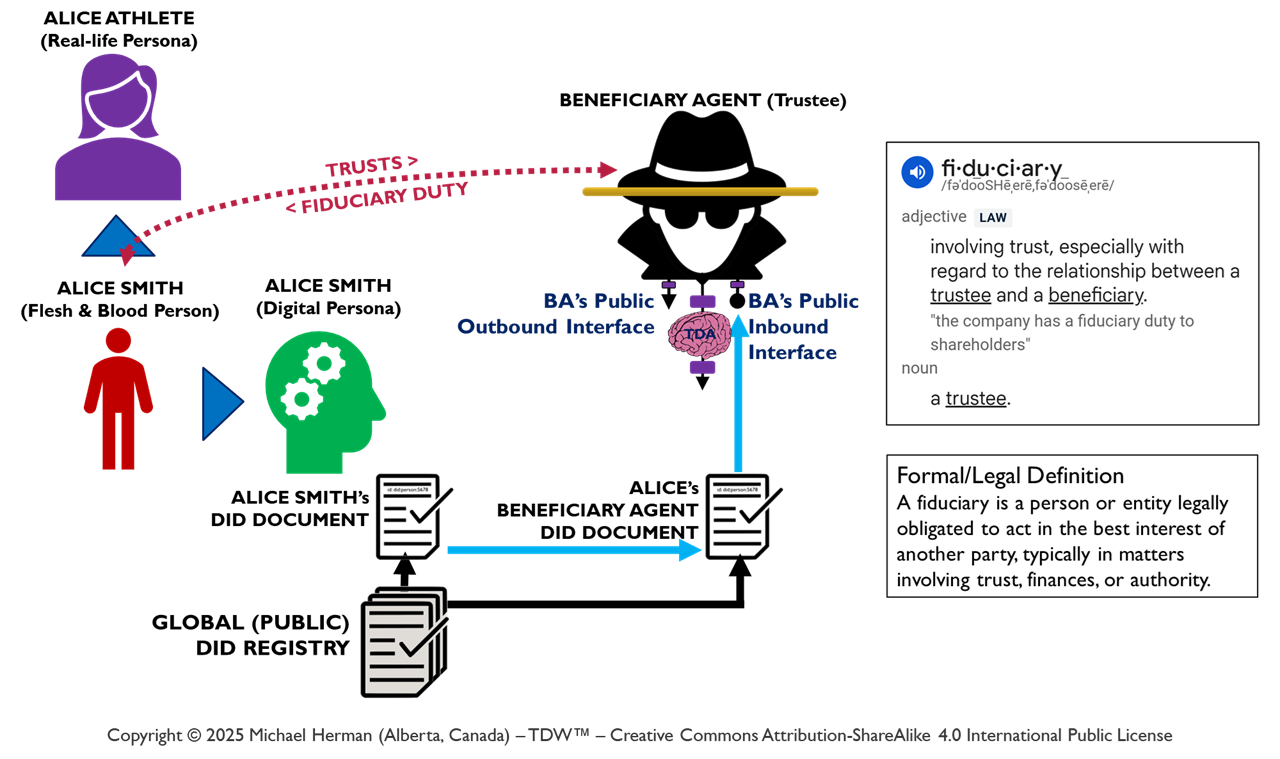
Beneficiaries, Trustees, and Fiduciary Duty
Figure 8. Beneficiaries, Trustees, and Fiduciary Duty
Figure 8 highlights in red the trusts and fiduciary duty relationships between (a) a Beneficiary (Alice, the person) and (b) her Beneificiary Agent (a trustee). Similarly, any pair of agents can also have pair-wise trusts and fiduciary duty relationships where one agent serves in the role of Beneficiary and the second agent, the role of Trustee.
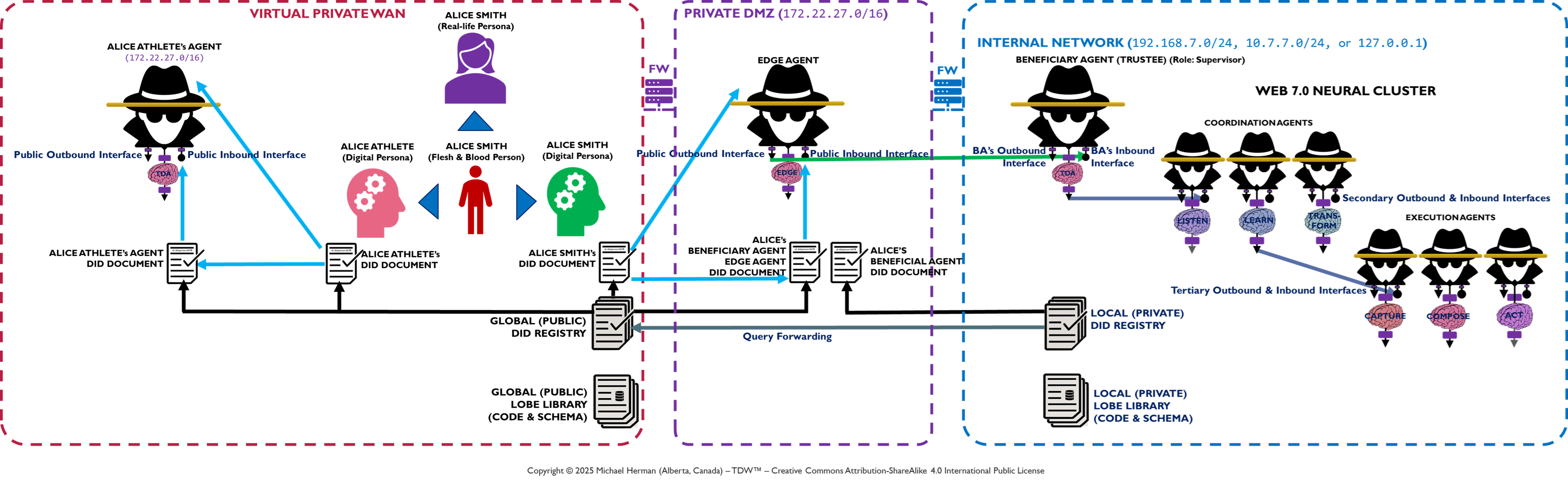
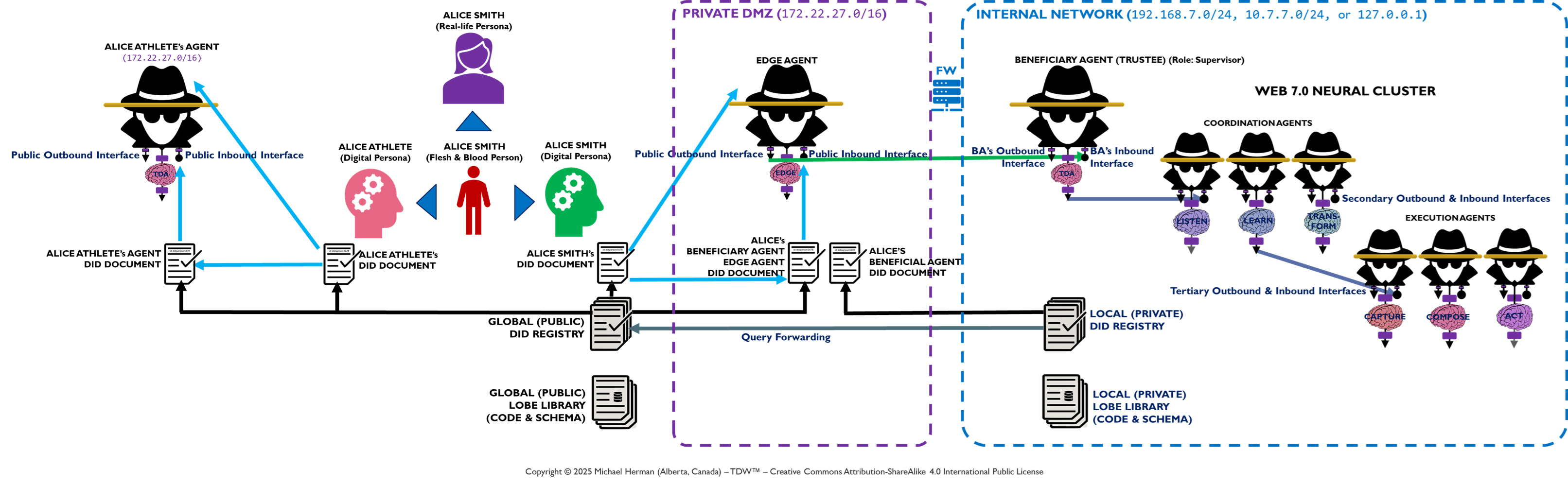
Appendix A – TDW AgenticOS: Edge Agent DMZ Deployment
Appendix B – TDW AgenticOS: Multiple Digital Persona Deployment
This section is non-normative.
Figure B-1. TDW AgenticOS: Multiple Digital Persona Deployment
Alice has 2 digital personifications: Alice Smith and Alice Athlete. Each of these personifications has its own digital ID. Each of Alice’s personas also has its own Trusted Digital Assistant (TDA) – an agent or agentic neural network.
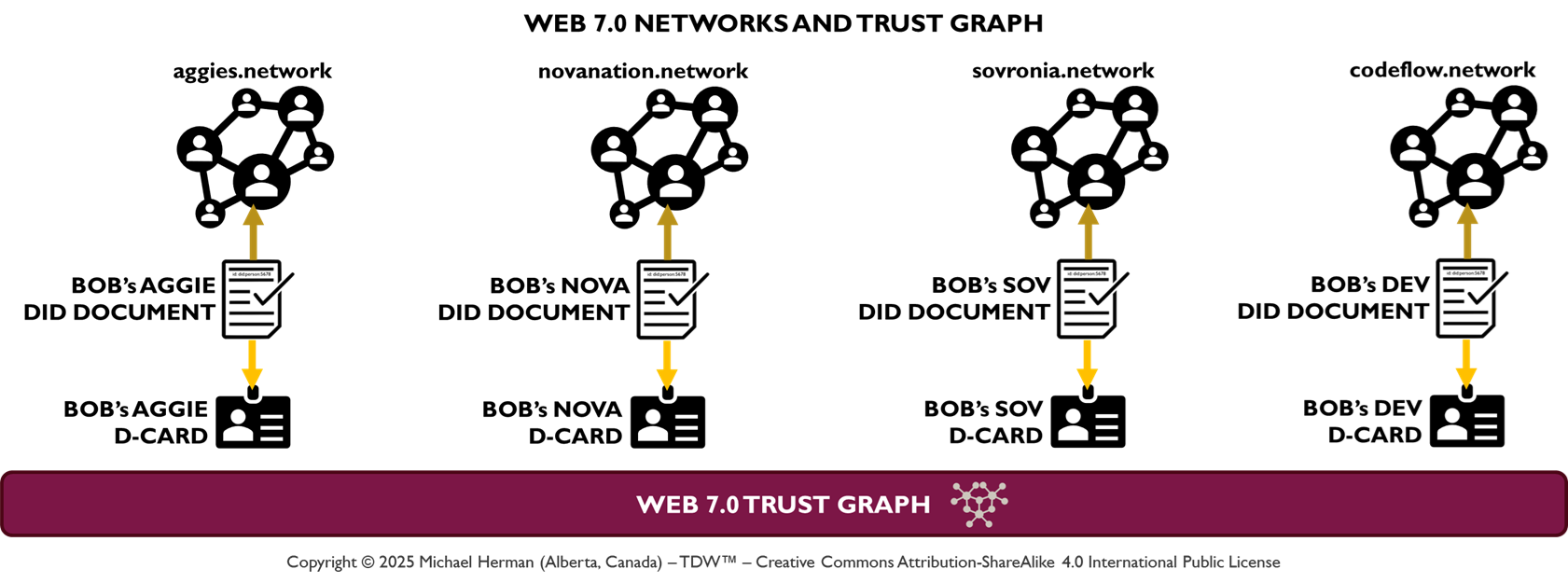
Figure B-2. Web 7.0 Networks and Trust Graph
Bob has (at least) 4 digital personifications: Bob Aggie, Bob Nova, Bob Sovronia, and Bob Developer. Using Web 7.0 Trust Graph Relationships and Verifiable Trust Credentials (VTCs), Bob can also have personas that are members of multiple Web 7.0 networks.
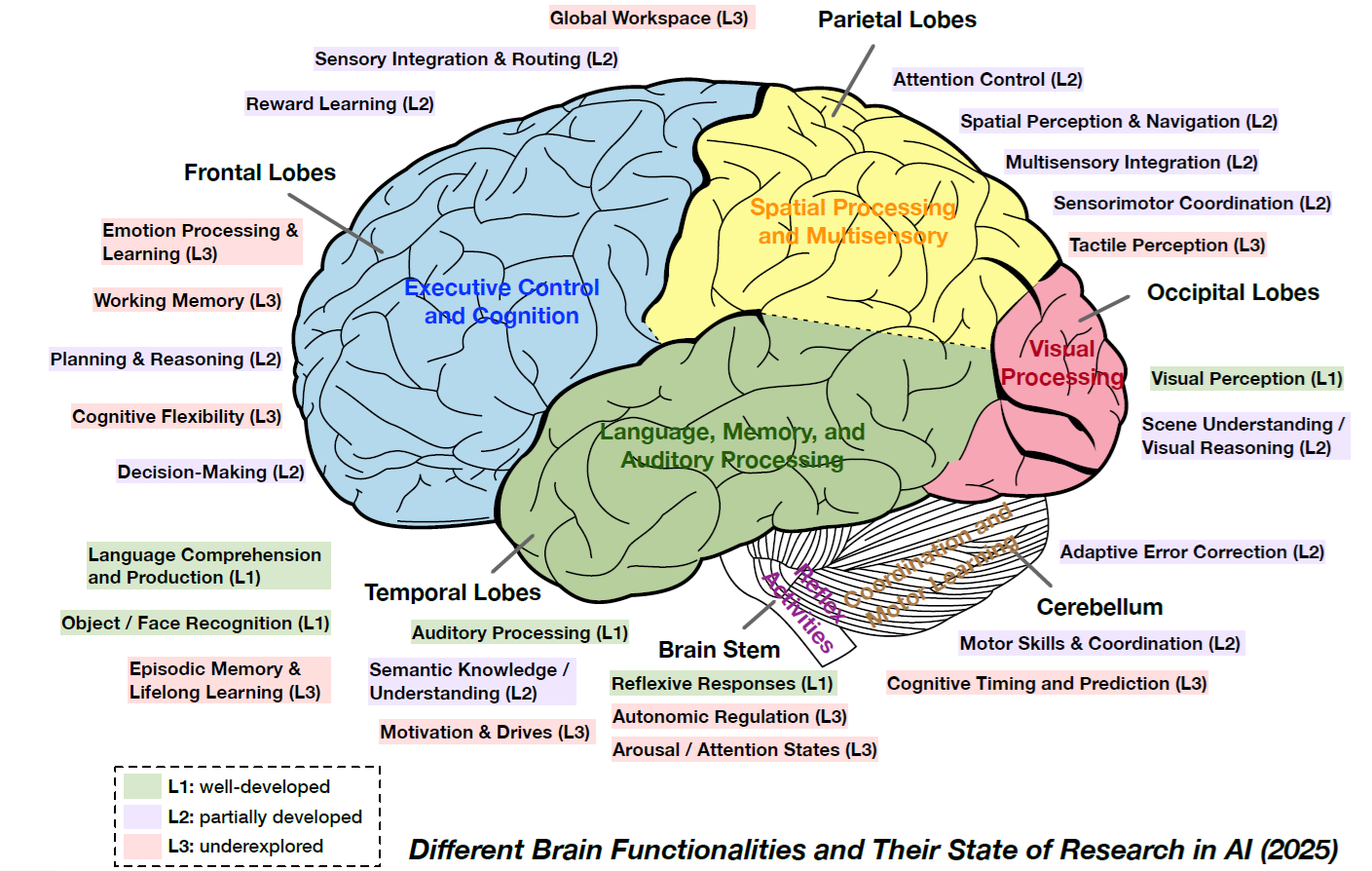
Appendix C – Different Brain Functionalities and Their State of Research in AI (2025)
Figure C-1. Different Brain Functionalities and Their State of Research in AI (2025)
Source: Advances and Challenges in Foundation Agents: From Brain-Inspired Intelligence to Evolutionary, Collaborative, and Safe Systems. arXiv:2504.01990v2 [https://arxiv.org/abs/2504.01990v2]. August 2025.
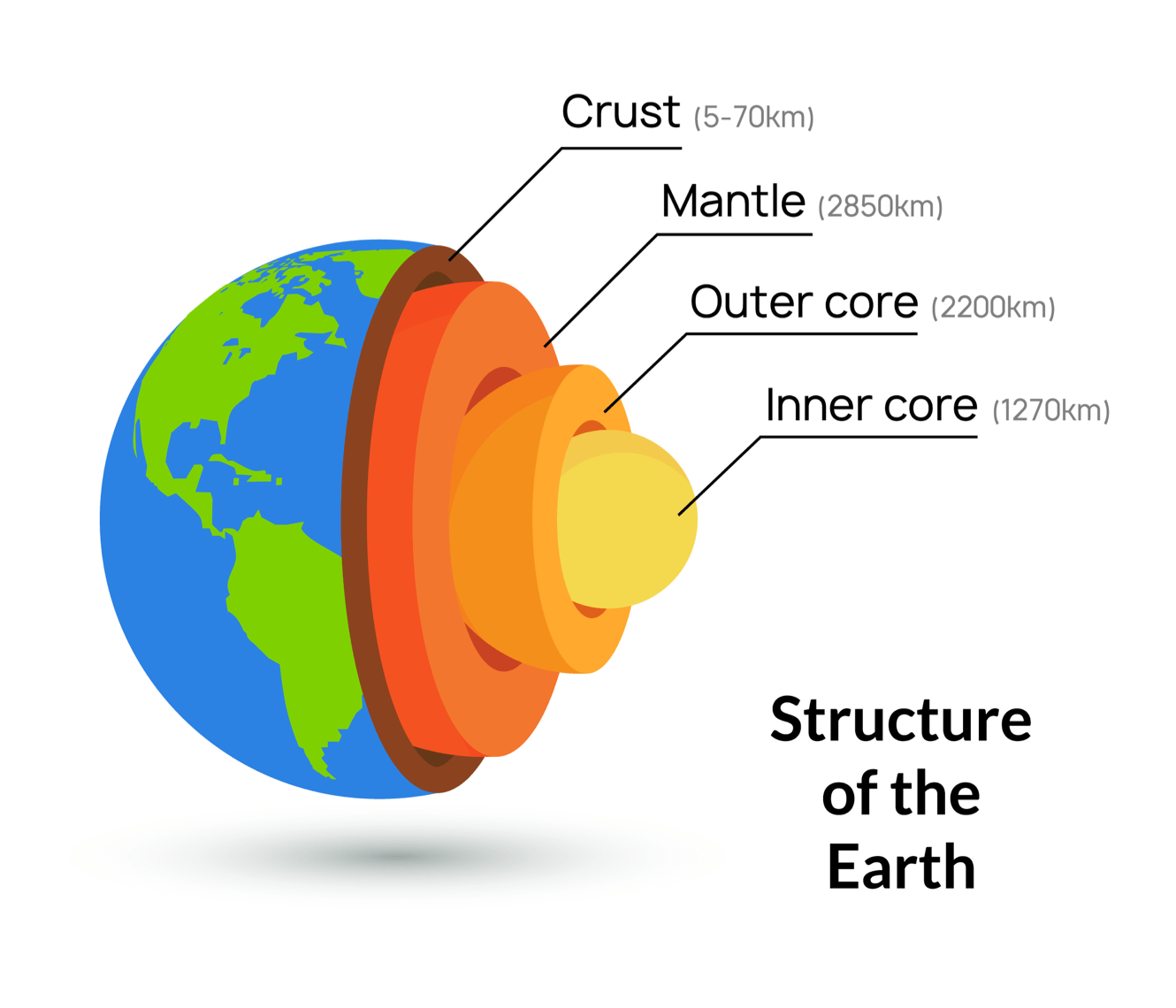
In Figure C-3, the Trust Library forms the Inner core and the UX LOBEs, the Crust. The Outer core is comprised of the Fast Cache and Long-Term Memory LOBEs, Neural and Basal Pathways, DID Registry, and LOBE Library. The Mantle is where the Coordination and Execution LOBEs execute.
Appendix D – PWC Multi-Agent Customer Support Use Case
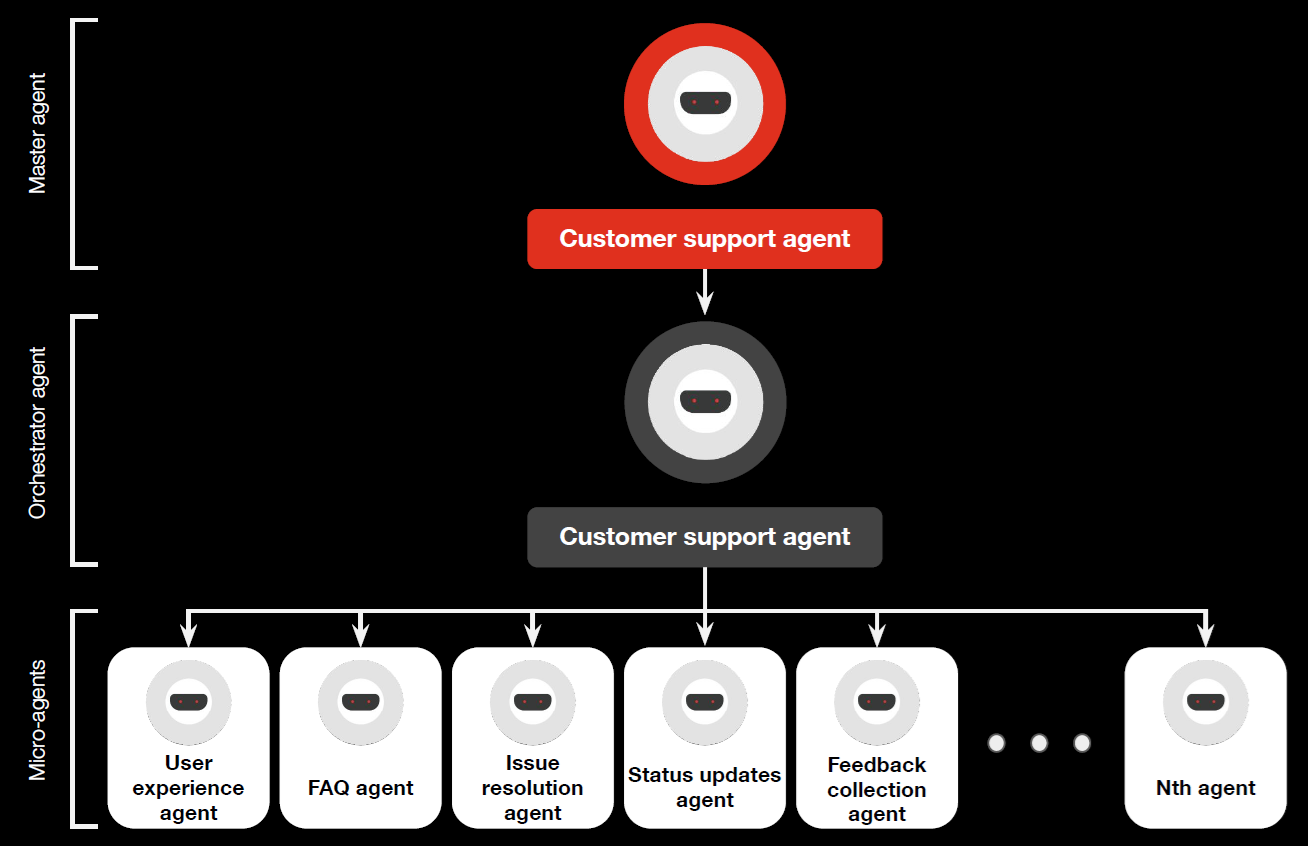
Figure D-1. PWC Multi-Agent Customer Support Use Case
Source: Agentic AI – the new frontier in GenAI. PWC Middle East. 2024.
This use case exemplifies the use of the Web 7.0 Neural Cluster model. Table D-1 maps the PWC Use Case terminology to the corresponding Web 7.0 AARM terminology.
Web 7.0 NAARM
PWC Use Case
Beneficiary Agent
Master agent
Coordination Agent (and LOBEs)
Orchestrator agent
Execution Agent LOBEs
Micro-agents
Table D-1. Web 7.0 AARM – PWC Use Case Terminology Cross-Reference
The steel shipping container transformed global trade by introducing a standardized, secure, and interoperable abstraction for transporting goods. Similarly, Decentralized Identifier Communication (DIDComm) offers a standardized, secure, and interoperable mechanism for transmitting trusted digital information between agents. This paper explores the analogy between DIDComm messages and steel containers, examining their properties, benefits, and limitations, and assessing the potential of DIDComm to catalyze a transformation in digital ecosystems comparable to the shipping container revolution.
The 20th century witnessed a quiet revolution in global trade: the invention and adoption of the steel shipping container. More than faster ships or larger ports, it was standardization in how goods were packaged and transported that unlocked efficiency, scale, and global interoperability.
In the 21st century, digital ecosystems face a parallel challenge. Secure communication across heterogeneous systems remains fragmented by proprietary protocols, siloed trust frameworks, and inconsistent interoperability. Despite advances in transport protocols (HTTP, WebSocket, Bluetooth) and security primitives (TLS, OAuth, JWT), no universal standard exists for trusted, end-to-end, cross-domain messaging.
DIDComm (Decentralized Identifier Communication) aims to fill this gap. It provides a standardized envelope for secure, interoperable communication between agents in decentralized ecosystems. This paper argues that DIDComm can be understood as the steel shipping container of digital communication — a payload-agnostic, transport-agnostic, secure packaging standard that enables trust to move seamlessly across networks and domains.
Stackability: efficient storage and loading by crane.
Interoperability: ships, ports, trucks, and trains adapted to a single form factor.
Impact: Containerization reduced costs by ~90% and increased the speed and scale of global trade [Levinson, The Box, 2006]. The key insight: decouple contents from infrastructure via a universal abstraction.
3. DIDComm: A Digital Container Standard
3.1 What is DIDComm?
DIDComm is a protocol suite for secure, private, and interoperable communication using Decentralized Identifiers (DIDs) as endpoints. It defines how messages are packaged, encrypted, authenticated, and routed between agents.
Transport agnosticism: works over HTTP, Bluetooth, WebRTC, email, etc.
Routing via mediators: messages can traverse multiple relays without breaking end-to-end security.
Payload agnosticism: the message may carry verifiable credentials, IoT commands, or arbitrary application data.
3.3 Why It Matters
Just as containers enabled intermodal trade, DIDComm enables intermodal trust exchange. Applications, wallets, devices, and services can interoperate without bespoke integrations.
4. Mapping the Analogy: Containers vs. DIDComm
Container Property
DIDComm Equivalent
Implications
Standardized form
Envelope with defined structure (headers, body, metadata)
Guarantees interoperability across agents and vendors
Sealed & secure
Encryption + authentication
Protects against unauthorized access and tampering
Intermodal transport
Transport-agnostic delivery
Works across protocols without altering the payload
Routing via logistics
Mediators, DID resolution, forwarding
Enables flexible message delivery
Opaque contents
Encrypted payload
Only authorized parties can inspect
Global ecosystem support
Agent networks, wallets, identity hubs
Emerging infrastructure could mirror global ports and carriers
5. Benefits of the Container Analogy
Interoperability
Any DIDComm-compliant agent can process a message, just as any port can handle a container.
Security and Trust
Messages are sealed like containers, with tamper-evident cryptography.
Efficiency
Reduces the cost and complexity of building integrations across organizations.
Scalability
Supports any type of payload: credentials, IoT signals, governance instructions.
Decentralization
No reliance on a central authority; trust derives from cryptographic keys, similar to how container standards are managed by ISO, not controlled by one nation or corporation.
6. Limits of the Analogy
Physical persistence vs. digital ephemerality: Containers endure across voyages; messages vanish after delivery.
Metadata leakage: Container labels are visible; DIDComm may still expose sender/recipient metadata.
Standard stability: Container sizes have been stable for decades; DIDComm may evolve quickly.
Global adoption: Containerization achieved near-universal acceptance; DIDComm is still early in adoption.
7. Strategic Implications
7.1 Identity & Credentials
DIDComm provides a secure transport for verifiable credentials, enabling cross-border, cross-domain trust.
7.2 IoT Ecosystems
IoT devices require lightweight, trustable communication. DIDComm offers a containerized way to exchange secure commands.
7.3 Cross-Domain Interoperability
Applications in finance, healthcare, supply chains, and governance can exchange trusted data without bespoke APIs.
7.4 The “Container Moment”
Global trade was reshaped once container standards reached critical mass. DIDComm could catalyze a parallel moment in digital ecosystems if widely adopted.
8. Conclusion
The steel shipping container revolutionized trade by abstracting the packaging and transport of goods into a universal, secure standard. DIDComm has the potential to do the same for digital trust, abstracting communication into a universal, secure, and interoperable form.
If DIDComm achieves broad adoption, it could serve as the logistics backbone of the digital trust economy, enabling decentralized ecosystems to scale with the efficiency and security once brought to global commerce by steel containers.
References
Levinson, Marc. The Box: How the Shipping Container Made the World Smaller and the World Economy Bigger. Princeton University Press, 2006.
#Chickens, #Eggs, and #Roosters: A #NorthStar for the Global Decentralized Systems Community (#GDSC)
Byline: #meggDLs, #Seleggtive#Disclosure, #DEGGCOMM, and #Eggports
The entire digital identity ecosystem is missing out on the #BigOpportunity by not focusing on the right catalyst for the #massiveadoption of #digitalcredentials. Morphing the chicken and egg mental model: If Hens are the Issuers, Roosters the Verifiers, and Eggs are the digital credentials, the prime objective needs to be increasing the demand for and consumption of Eggs by Holders …creating hundreds of thousands of ways that drive more Holders to consume more Eggs. Think about it.
… are great examples of driving the demand for and consumption of more and more digital credentials [and DIDs] (eggs); and secondarily, the demand for hens and roosters (Issuers and Verifiers). The demand for eggs drives the production of hens; and in turn, the demand for roosters. Don’t mess with #MotherNature
Decentralized identifiers (DIDs) are a new type of identifier that enables verifiable, decentralized digital identity. A DID refers to any subject (e.g., a person, organization, thing, data model, abstract entity, etc.) as determined by the controller of the DID. In contrast to typical, federated identifiers, DIDs have been designed so that they may be decoupled from centralized registries, identity providers, and certificate authorities.
DID subject The entity identified by a DID and described by a DID document. Anything can be a DID subject: person, group, organization, physical thing, digital thing, logical thing, etc.
2. Use Cases and Requirements for Decentralized Identifiers Document
Web 7.0/TDW DID Method Clusters Model Taxonomy 0.1
A bold method is the model method or exemplar for the particular cluster (cell).
A method can be a exemplar for 1 or many clusters.
This list of DID method categories is just an example. A complete taxonomy will likely be a 2-3 level hierarchy. The parent categories for these examples might include: Live Things, Inanimate Things, Abstract Things, Digital Things, Business Things, etc. etc.
In Sociocracy terminology, a mini-WG is called a circle. Each category of DID methods (cluster of DID Methods) would be managed by its own independent circle. A circle member can belong to more than 1 circle. Circles are connected to a parent circle for administrative purposes. The parent circle would correspond to the DID Method WG (co-chaired by Markus).
Sociocracy combines consent decision-making, a decentralized system of authority and intentional processes to improve our decisions and processes over time into a governance system that supports effective and efficient process while increasing connection, listening and co-creation among members.
Sociocracy is used in businesses, communities, nonprofits, cooperatives, grassroots groups and in education.
13. Trusted Digital Web (TDW) Glossary/Taxonomy Model: Erin Buys a Car Neighborhood
[Original Title: Technology Adoption Models: A Comprehensive Guide]
This article documents more than 20 technology adoption models that the author has encountered over his 45+ year career …some models that he didn’t even realize he knew about ;-). Here they there are, in no particular order.
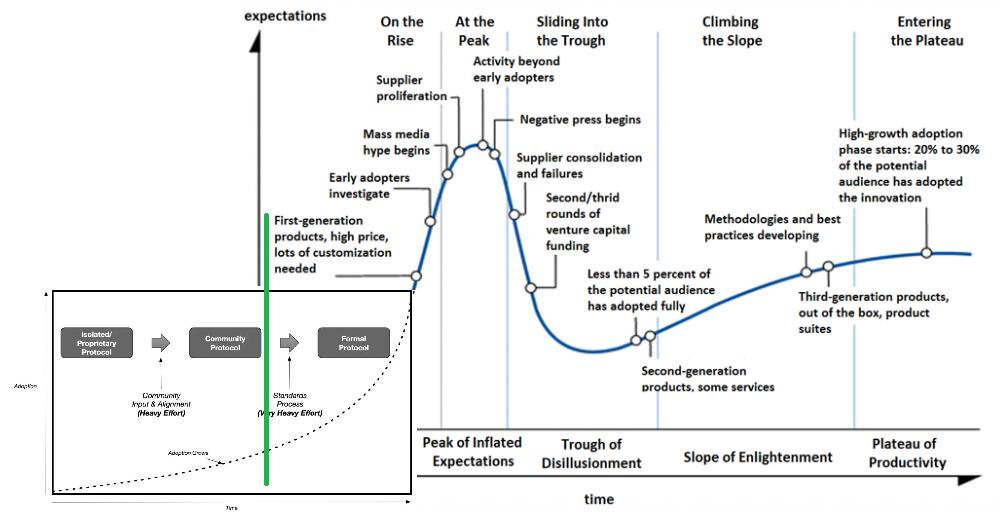
NOTE: Each model progresses from left-to-right along an unspecified timeline. The implication is that it is possible to superimpose two or more models on top of each other for deeper understanding and for creating more tangible, more illustrative, depictions of your corporate, product, and project strategies.
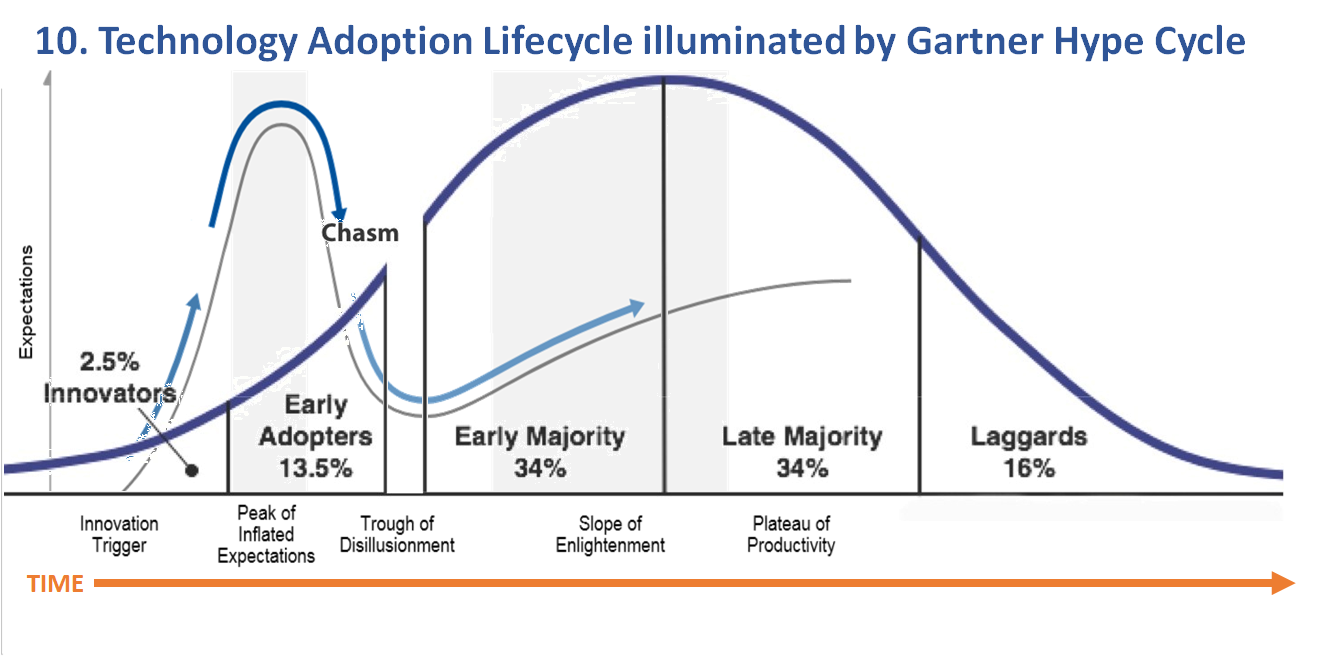
An example is: Model 10. Technology Adoption Lifecycle illuminated by the Gartner Hype Cycle.
Technology Adoption Models
NOTE: Click on any of the figures to enlarge them.
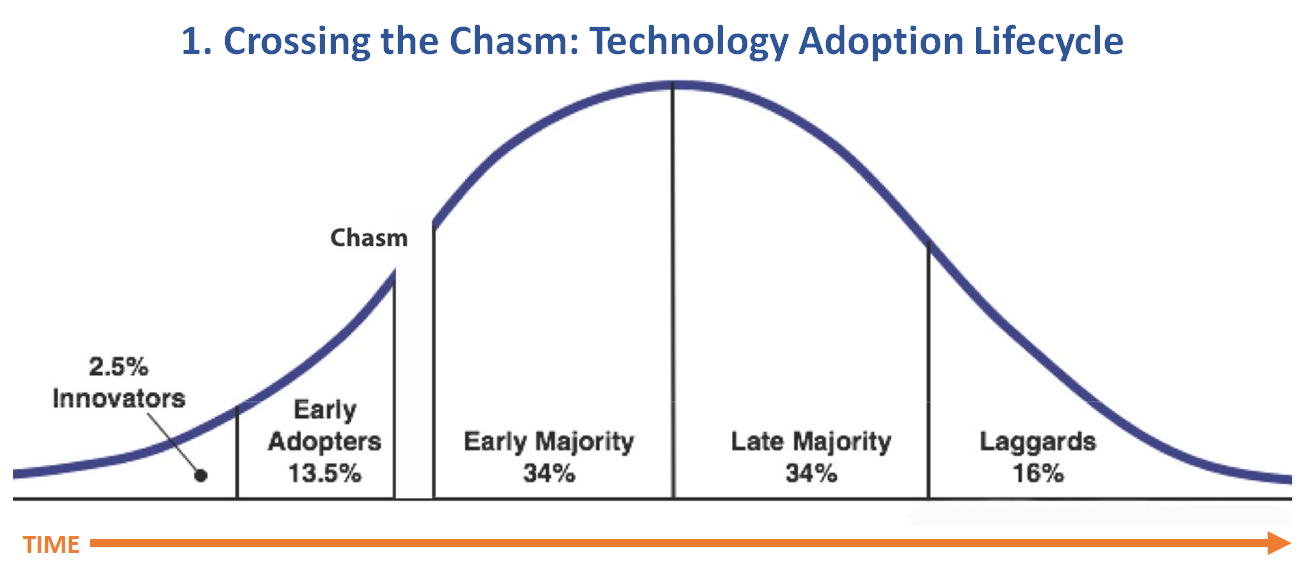
Model 1. Crossing the Chasm: Technology Adoption Lifecycle
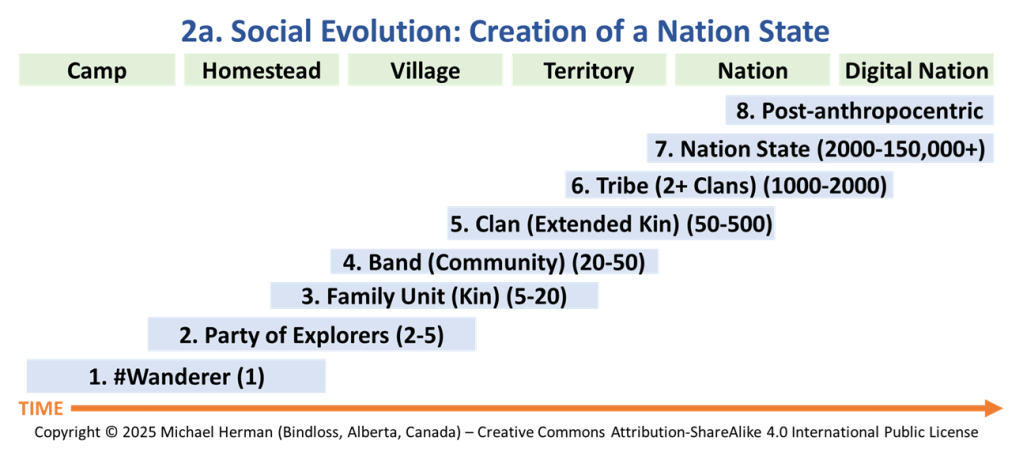
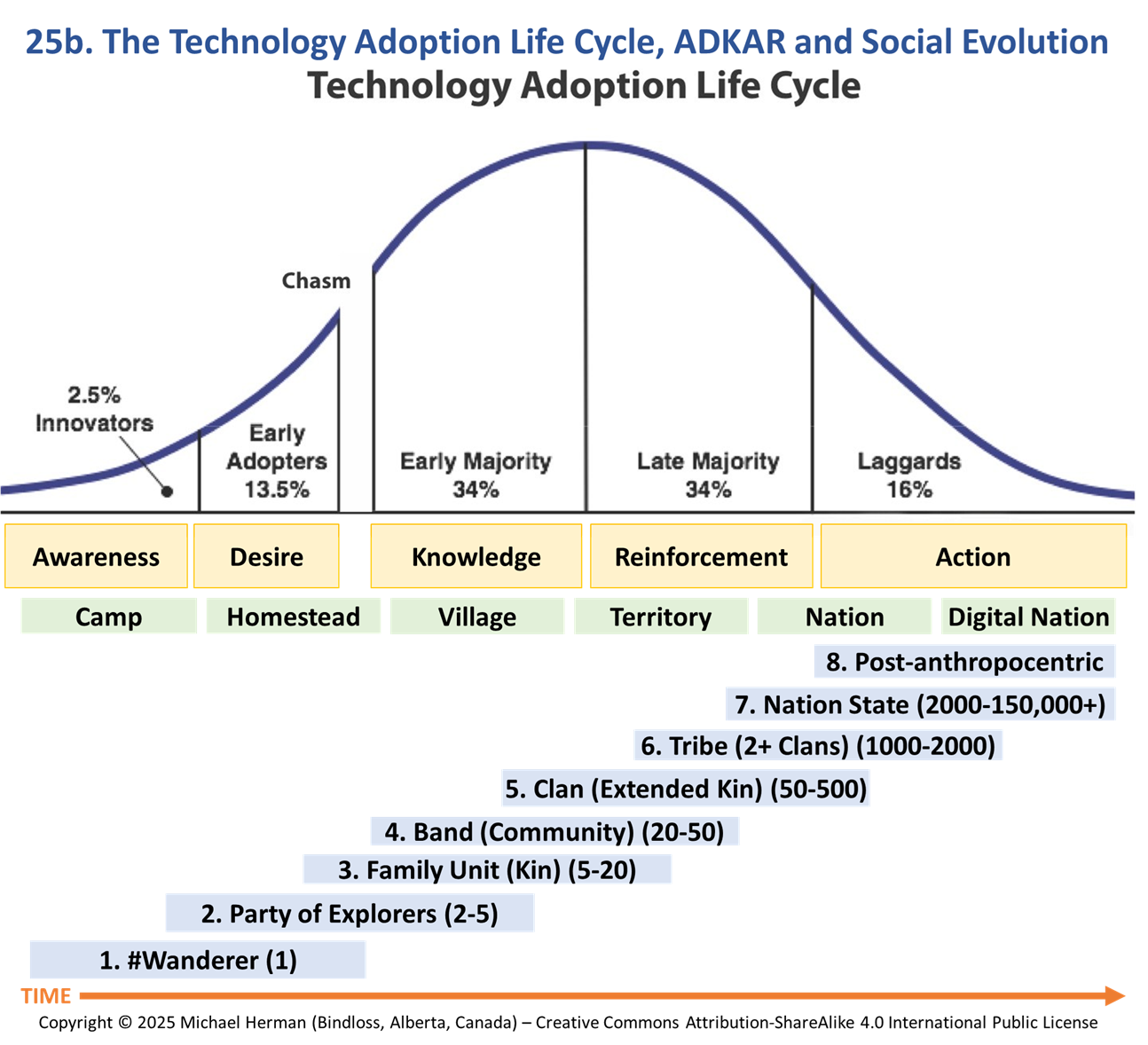
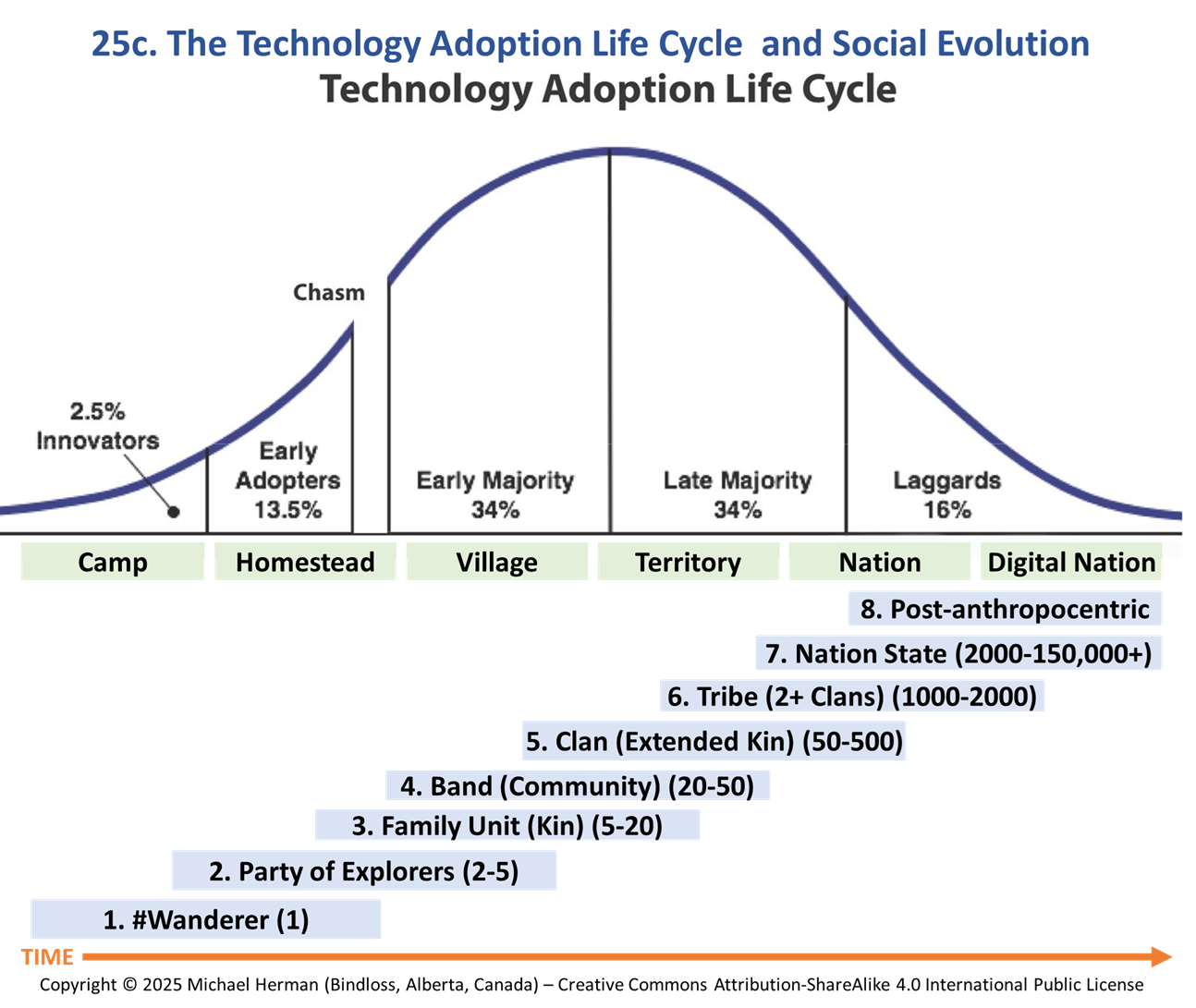
Model 2a. Social Evolution: Creation of Nation State
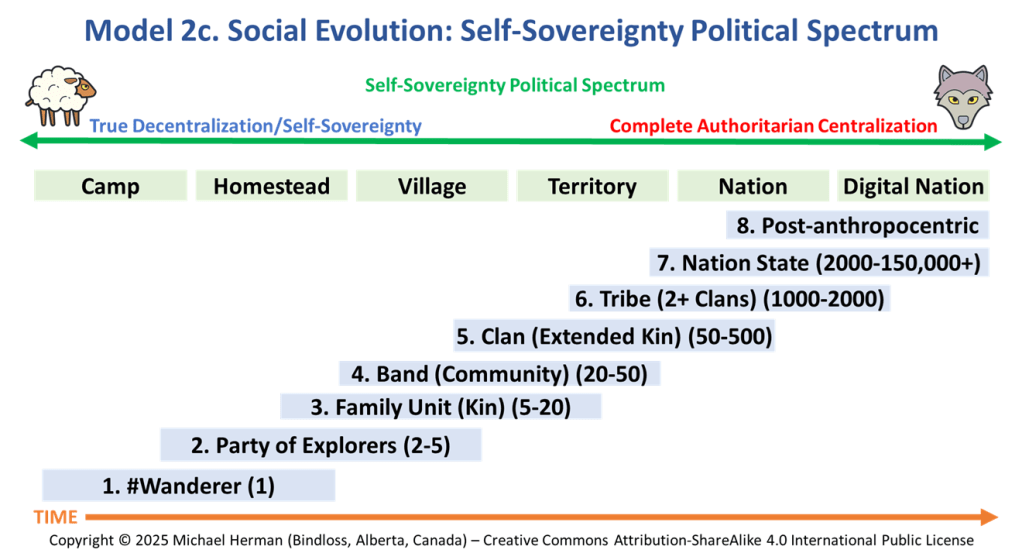
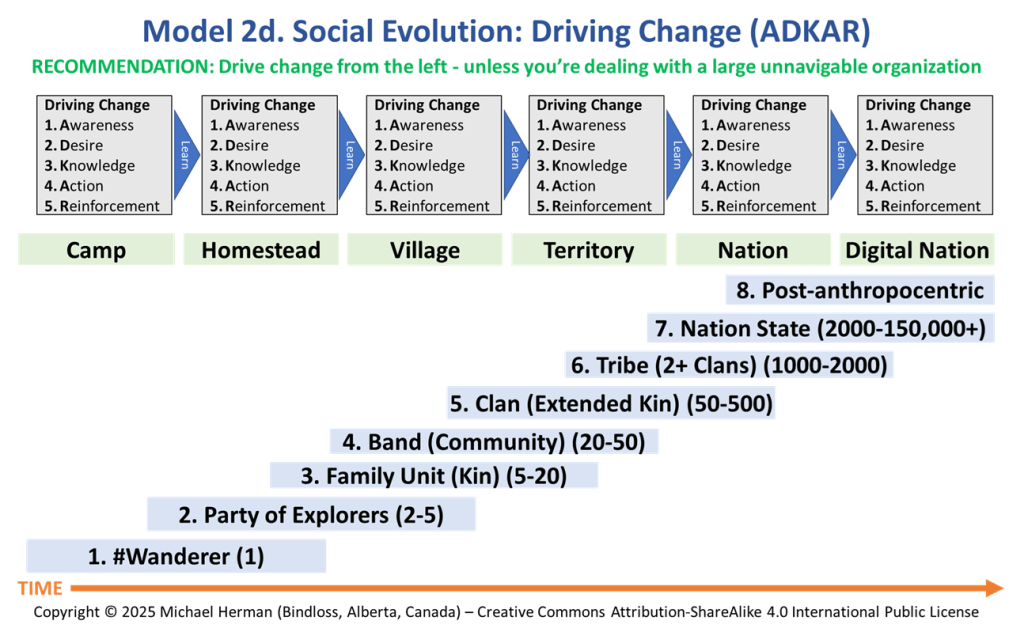
A #wanderer is someone who leaves their tribe to share their knowledge and wisdom with others; to later form a party of explorers to explore and conquer a common set of goals; and, even further on, create a clan, a band, a tribe, and a tribal society, a group of people who live and work together – a group of tribes organized around kinships.
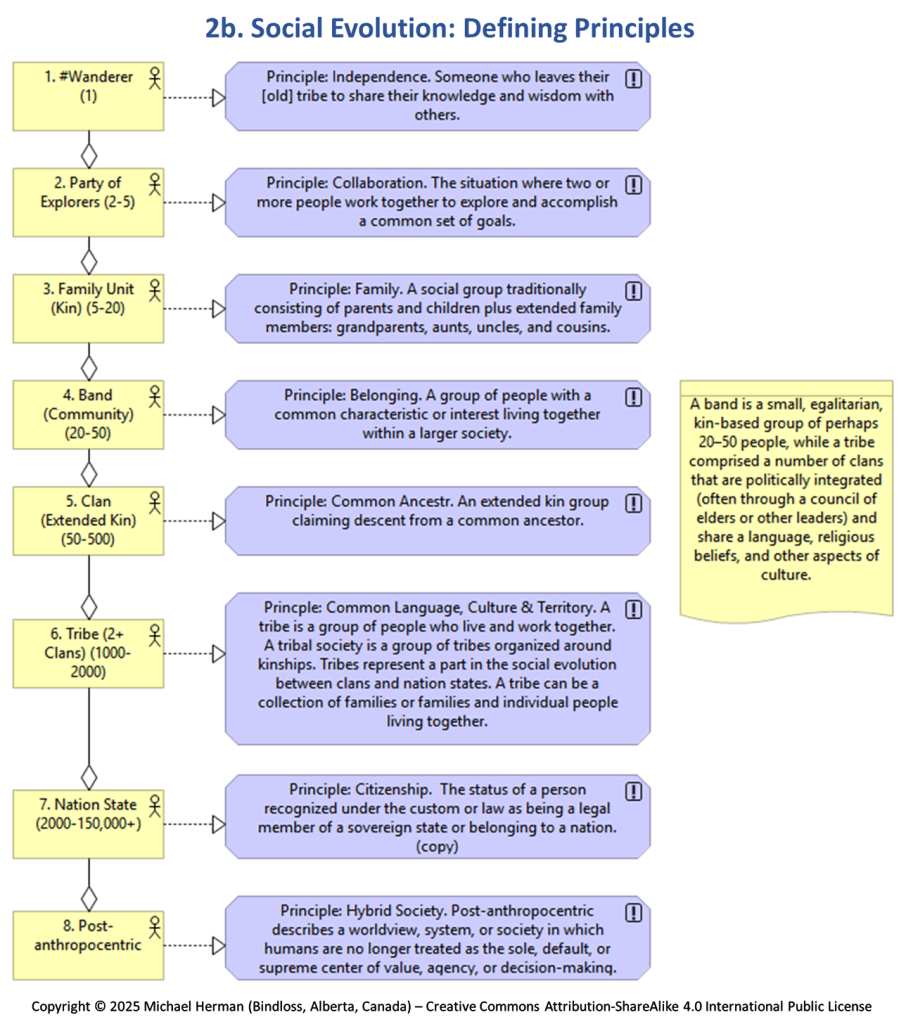
Model 2b. Social Evolution: Defining Principles
A #wanderer is someone who leaves their tribe to share their knowledge and wisdom with others; to later form a party of explorers to explore and conquer a common set of goals; and, even further on, create a clan, a band, a tribe, and a tribal society, a group of people who live and work together – a group of tribes organized around kinships.
Model 2c. Social Evolution: Self-Sovereignty Political Spectrum
Model 2d. Social Evolution: Driving Change (ADKAR)
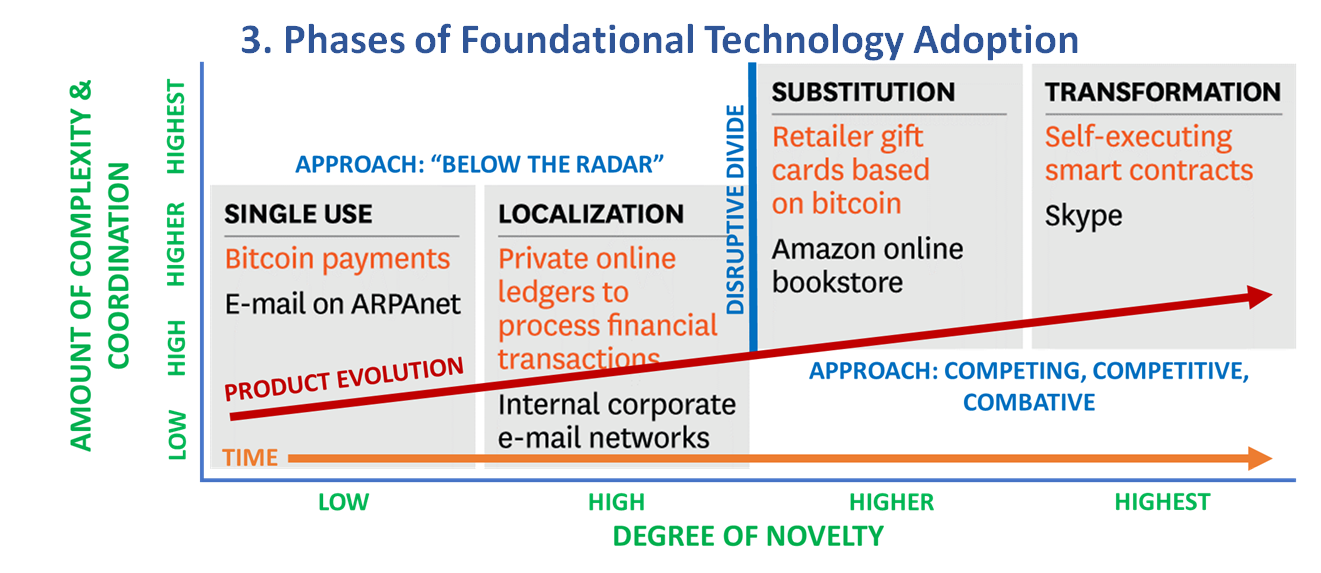
Model 3. Phases of Foundational Technology Adoption
Model 4. Phases of Desire and Action
Model 5. Phases of Understanding
Model 6. Classic Enterprise Solution Sales and Adoption Lifecycle
Model 7. ICRVA (I CRaVe A) Process
Model 8. Three-letter Words
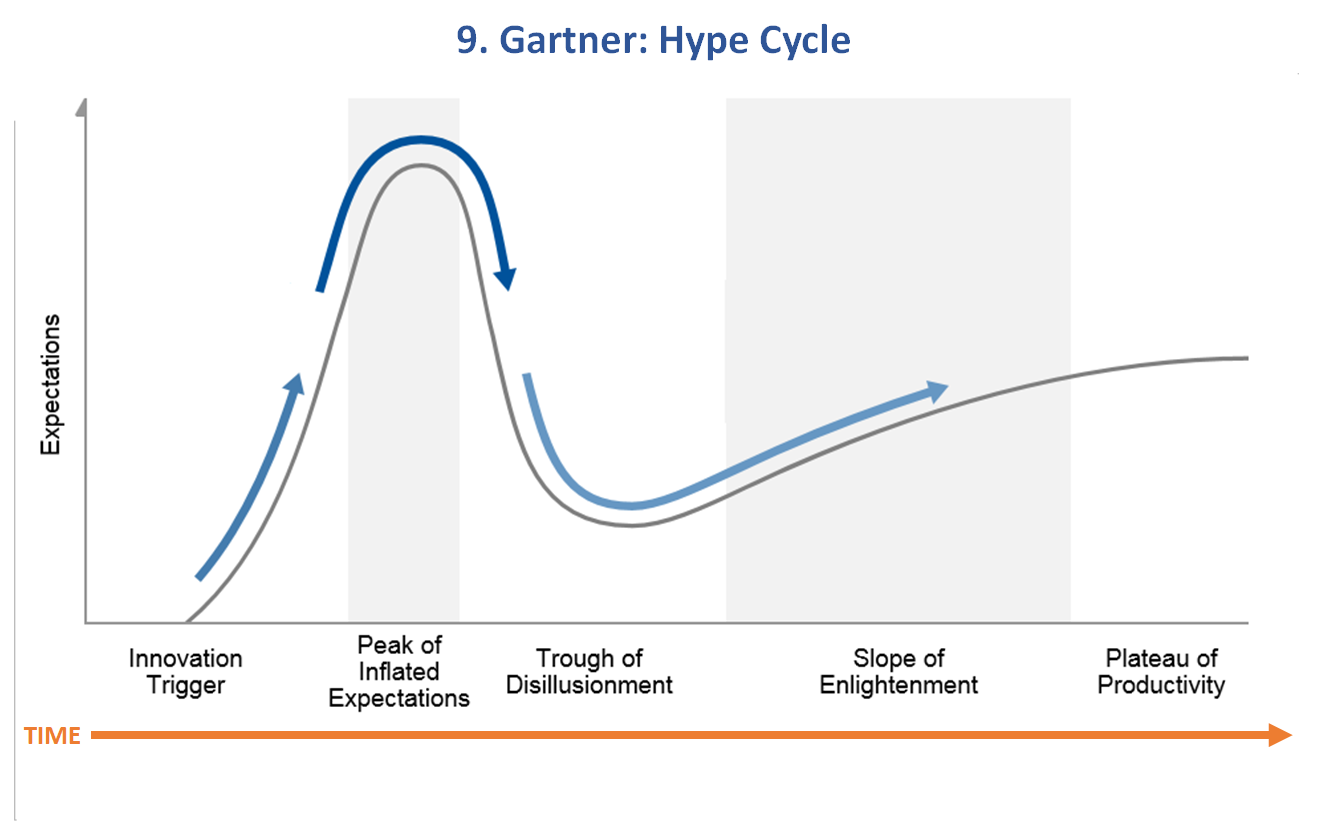
Model 9. Gartner Hype Cycle
Model 10. Technology Adoption Lifecycle illuminated by the Gartner Hype Cycle
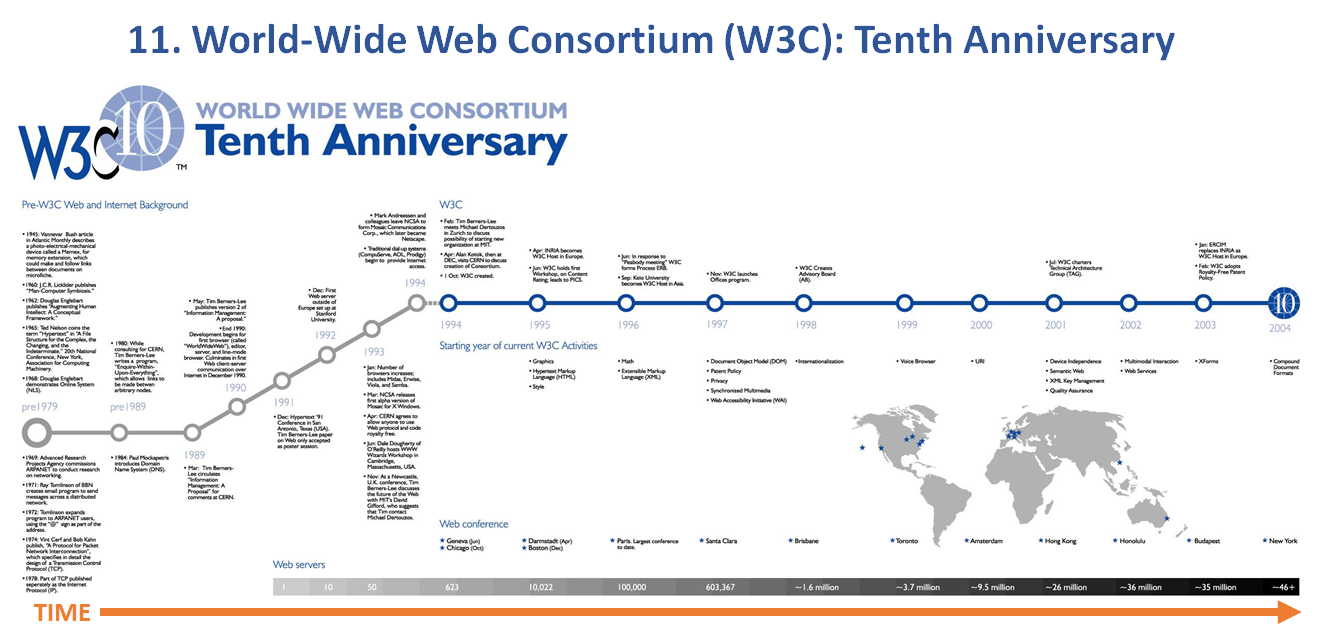
Model 11. World Wide Web Consortium (W3C): Tenth Anniversary
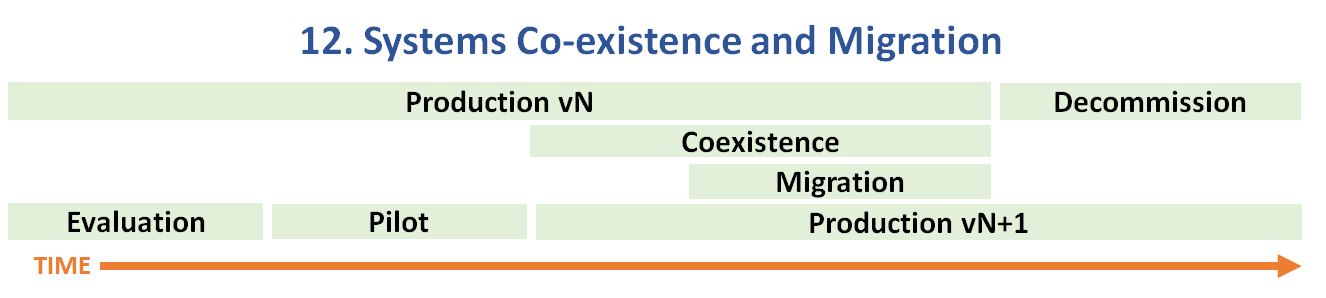
Model 12. Systems Co-existence and Migration
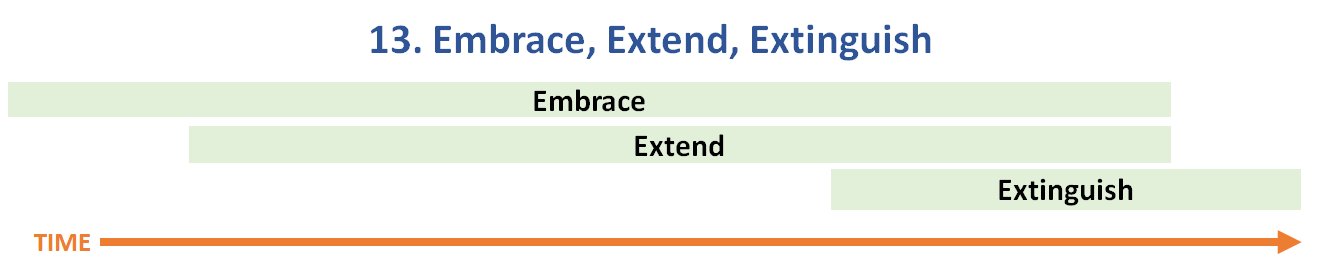
Model 13. Embrace, Extend, and Extinguish
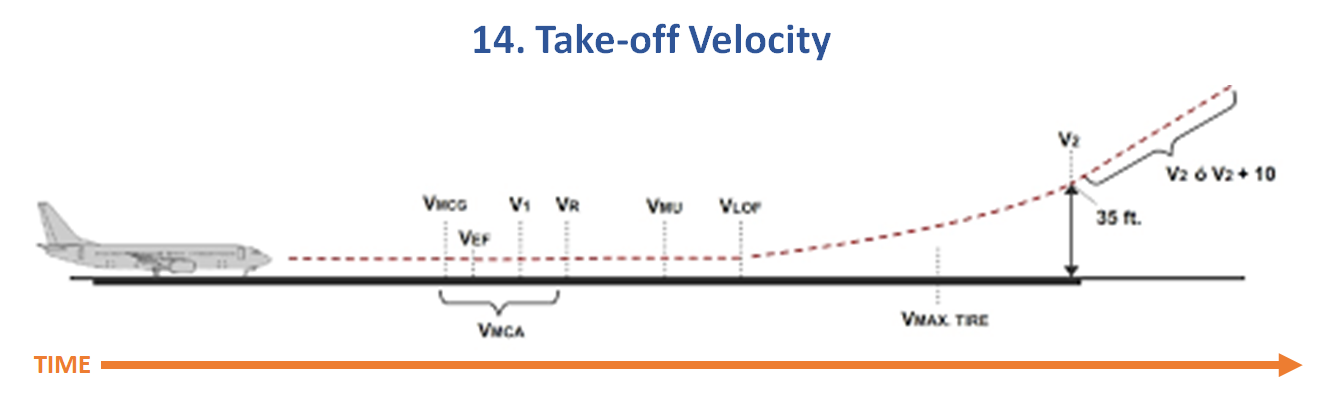
Model 14. Take-off Velocity (v2)
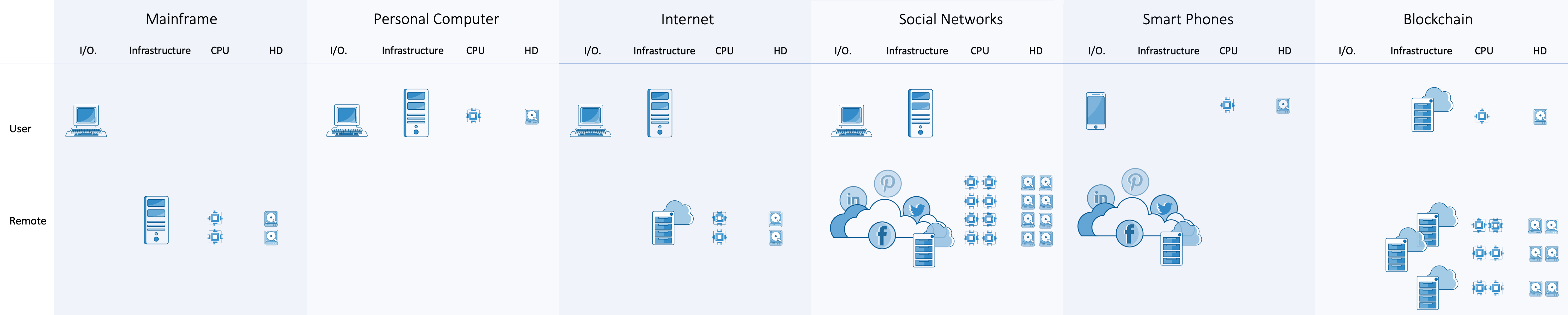
Model 15. From Mainframe to Blockchain
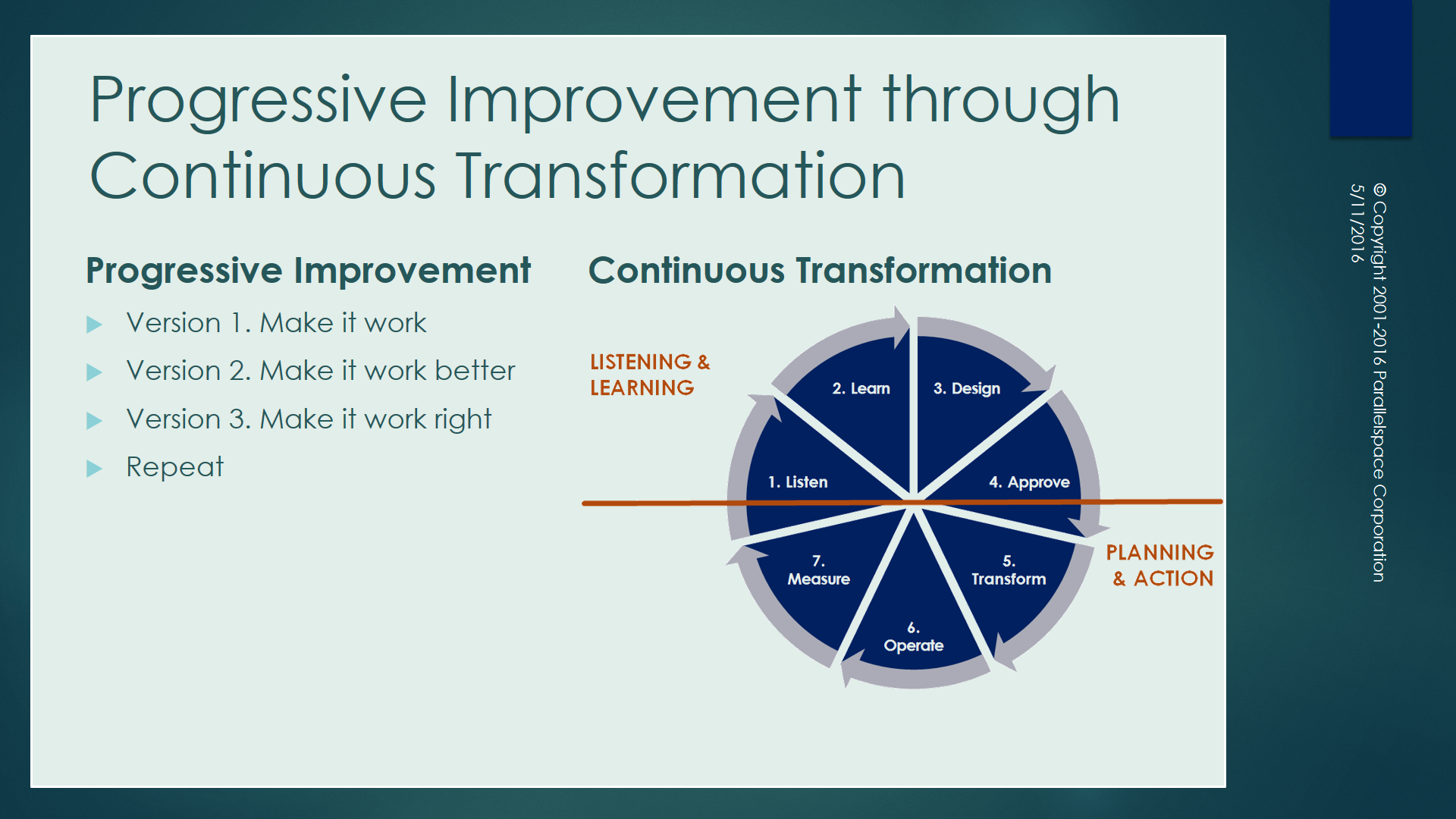
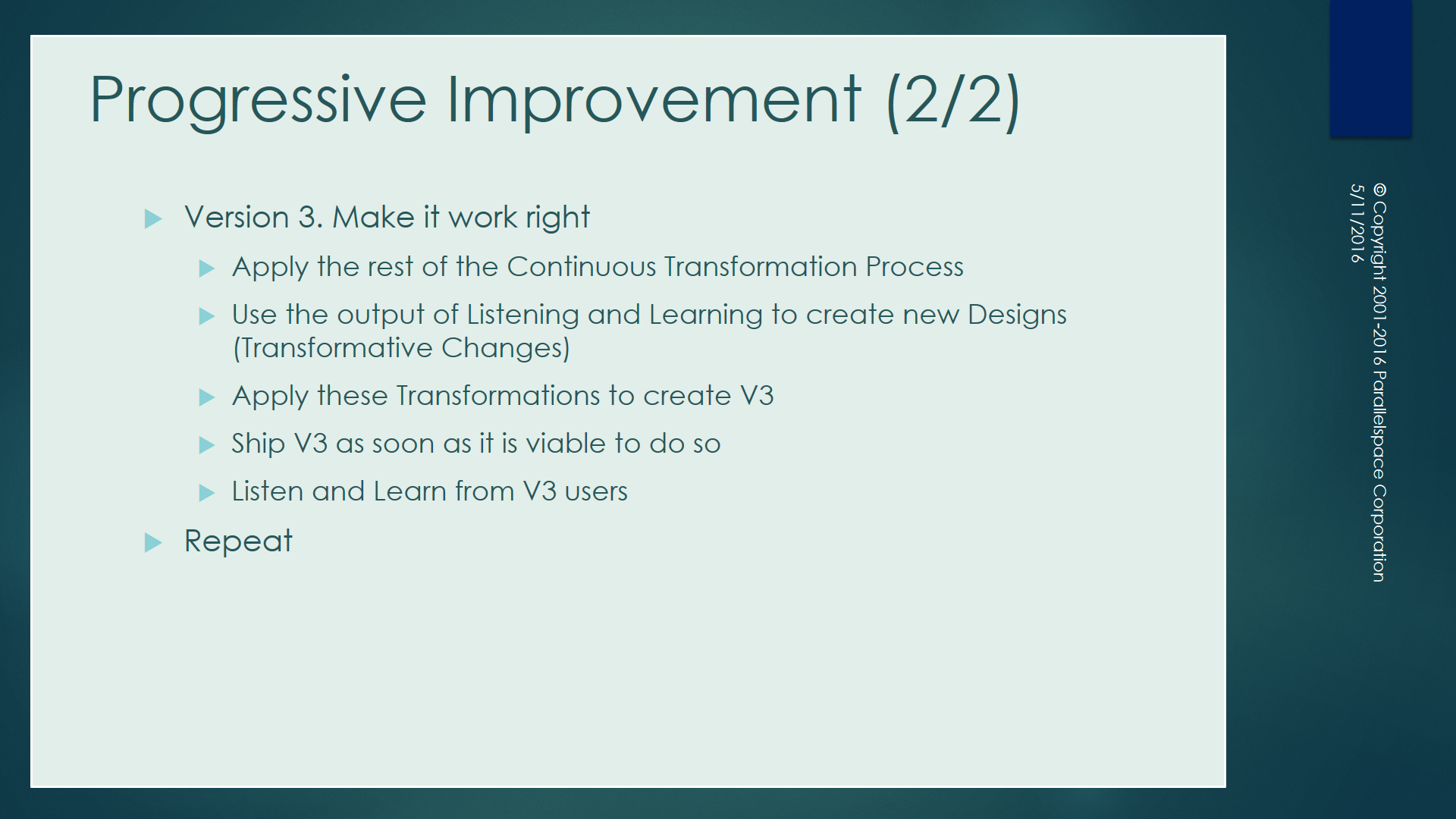
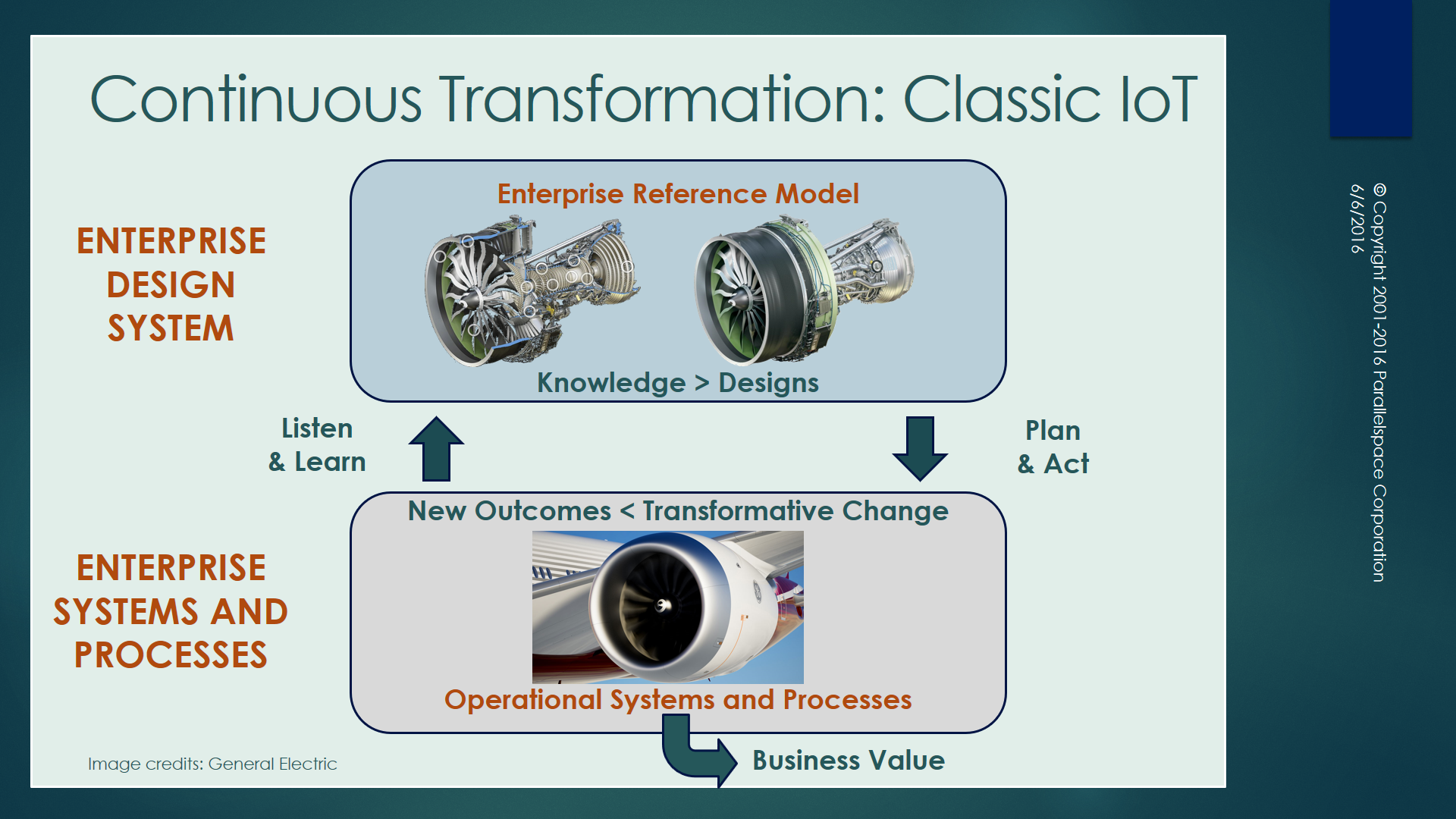
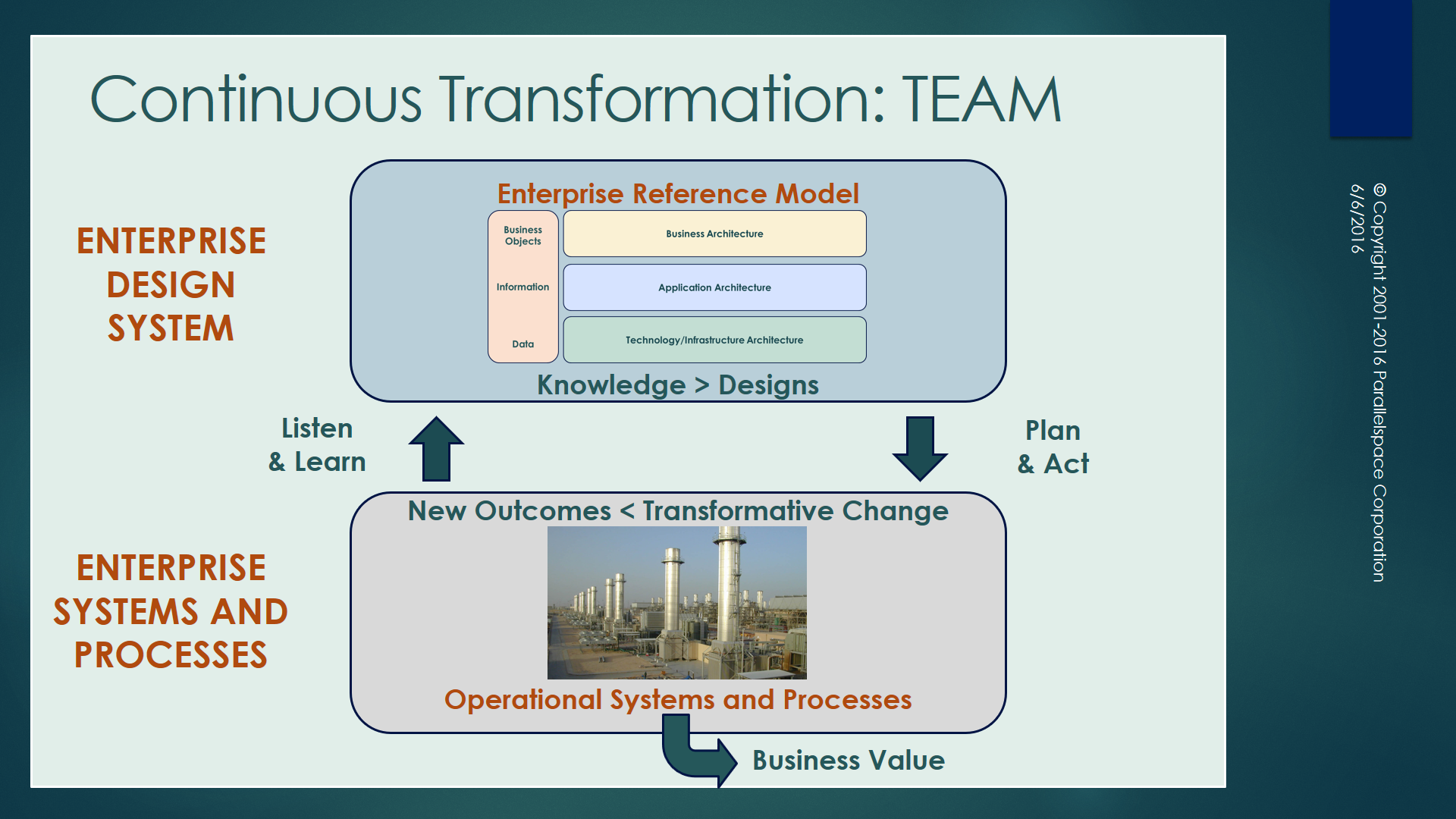
Model 16. Progressive Improvement through Continuous Transformation
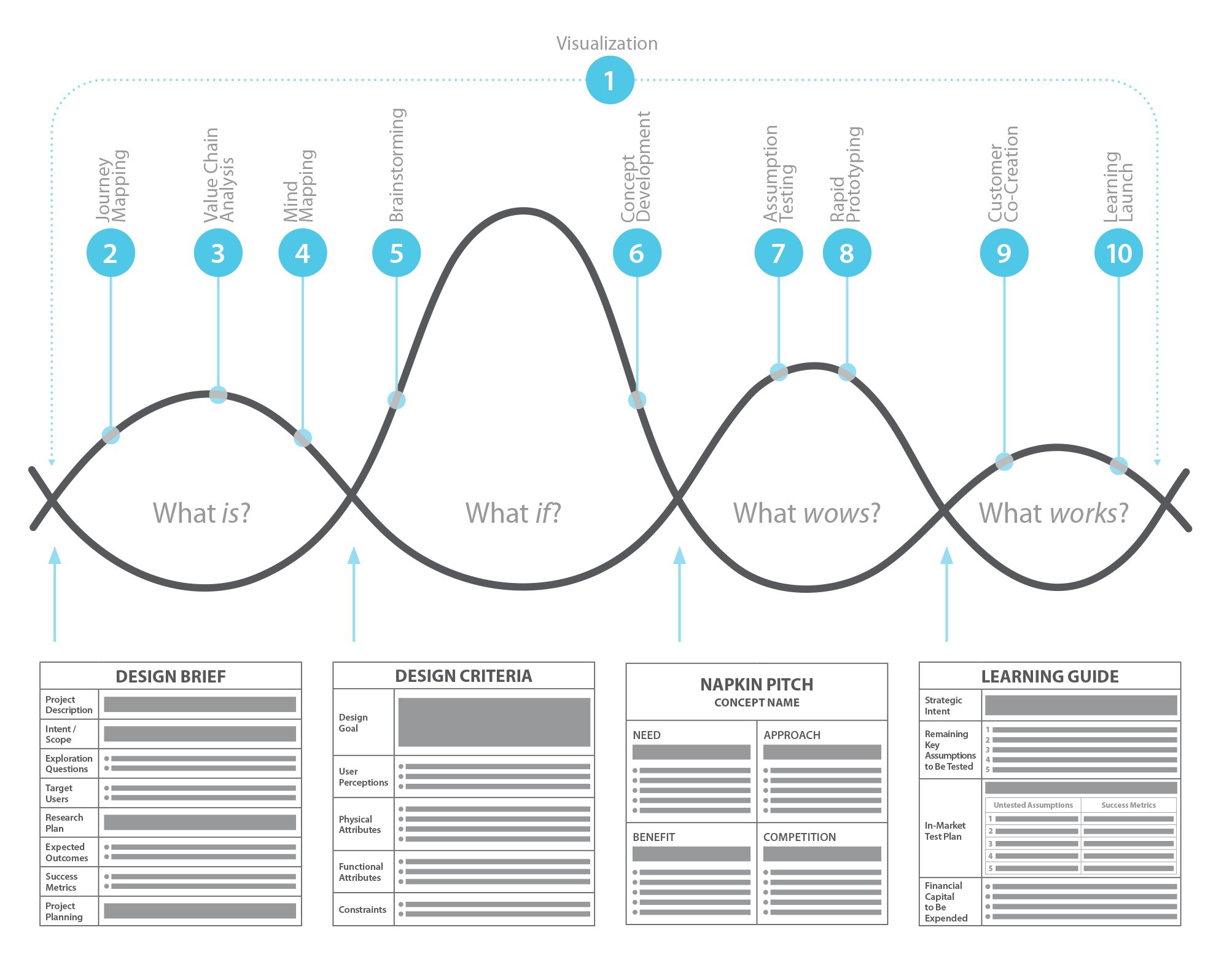
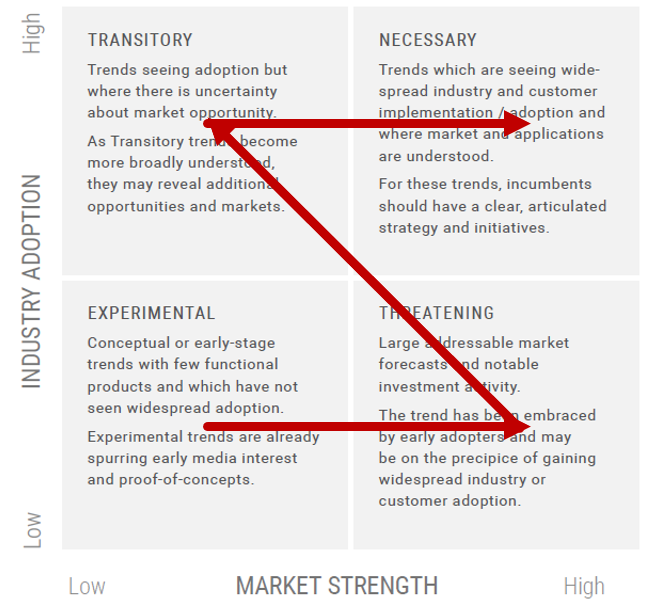
Model 17. Liedtka-Ogilvie Design Thinking ModelModel 18. CB-Insights NExTT Framework
Model 19. O’Donnell Exponential Growth Model
Model 20. O’Donnell-Gartner Exponential Hype Cycle
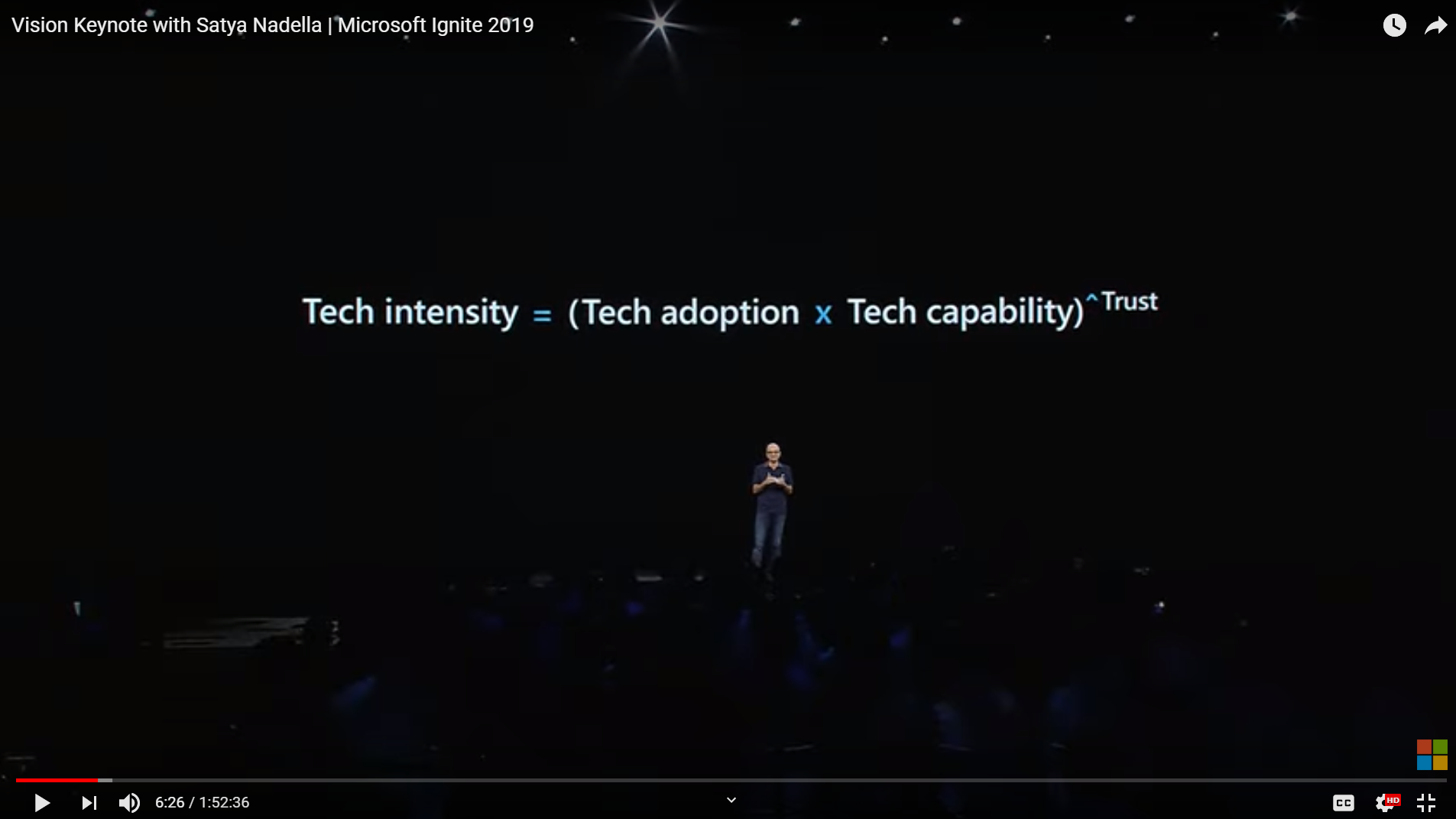
Model 21. Technical Intensity (video)
Model 22. Technology Adoption Curve plus Social Evolution Model
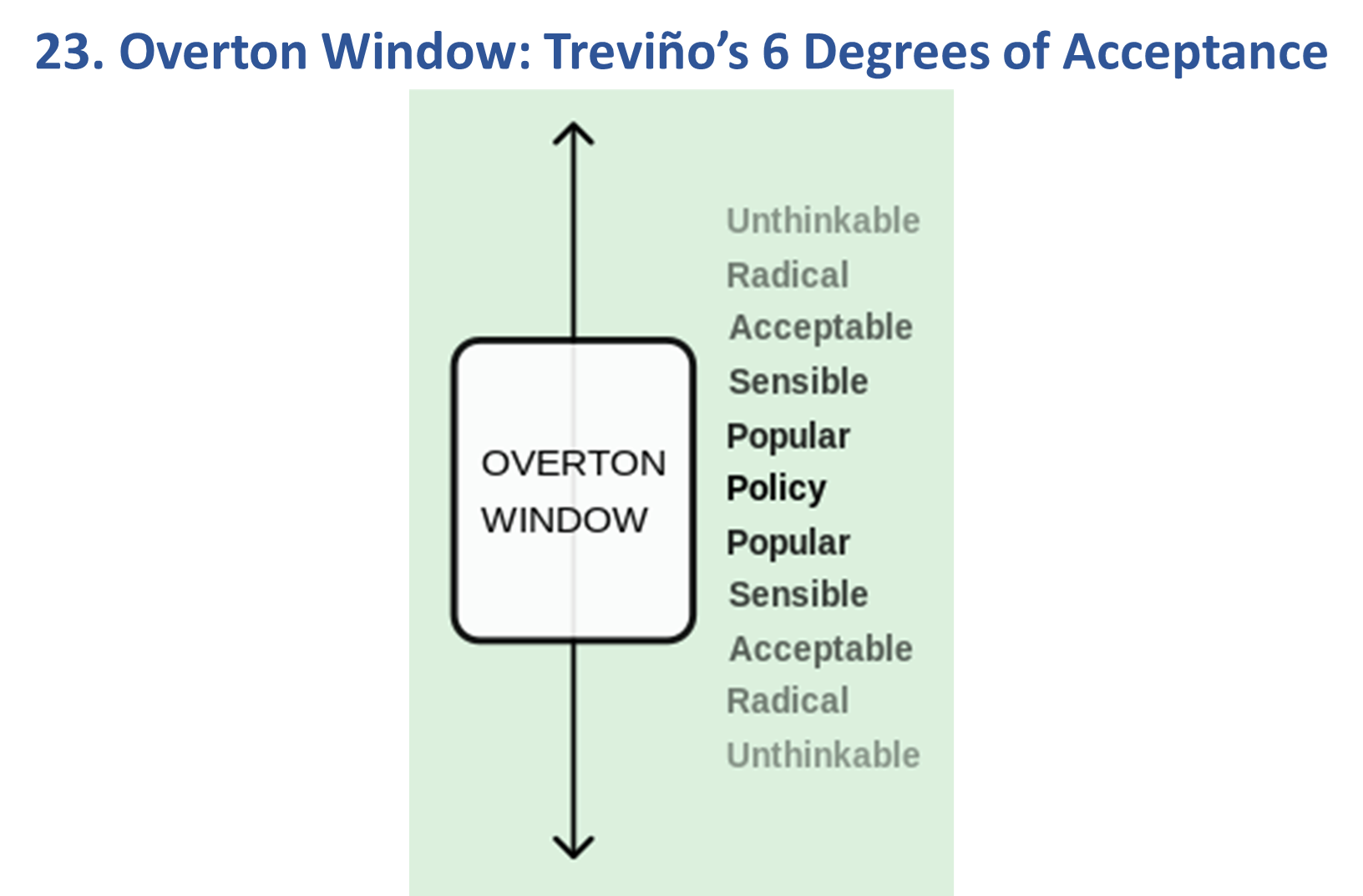
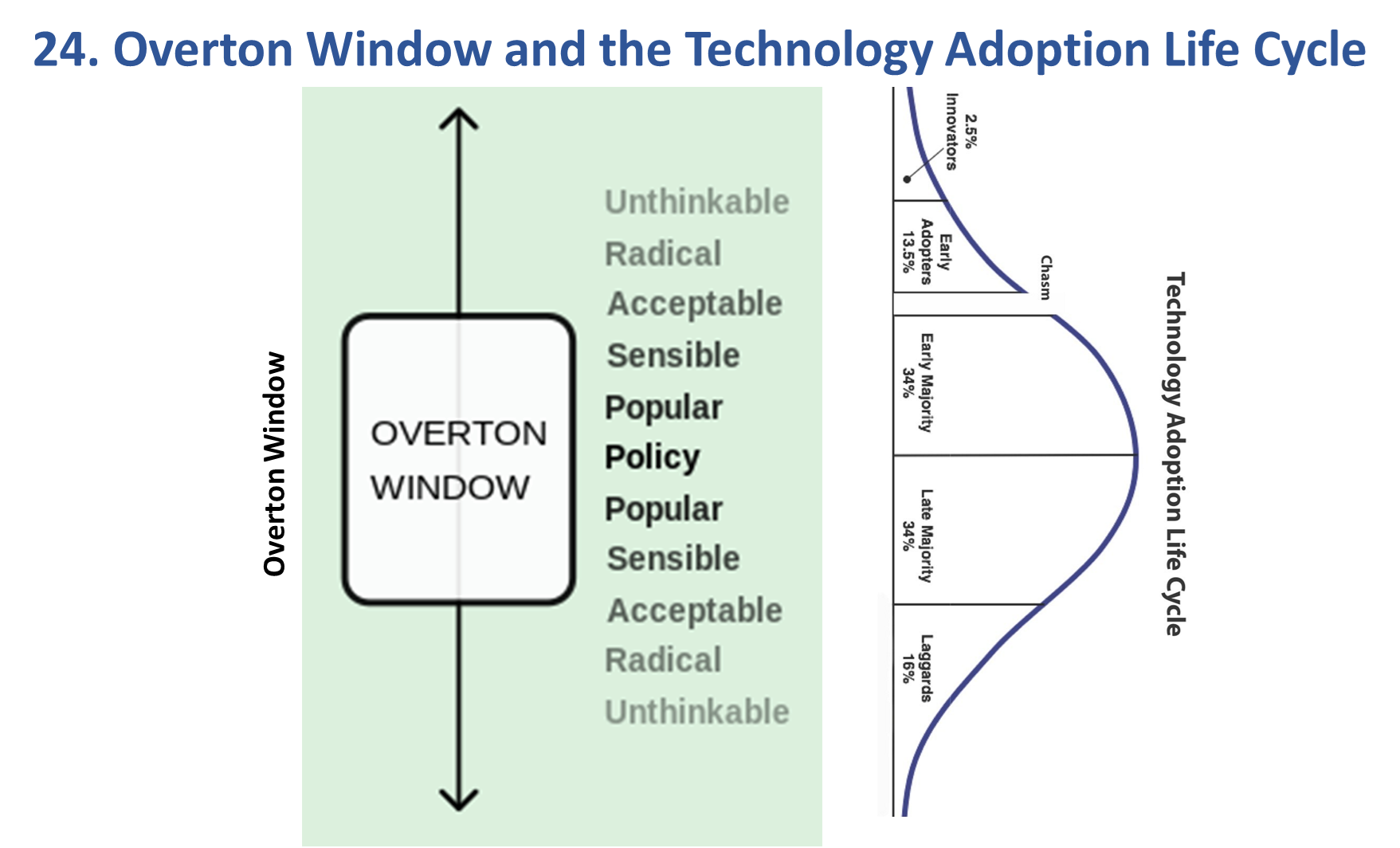
Model 23: Overton Window
Model 24: Overton Window and Technology Adoption Lifecycle
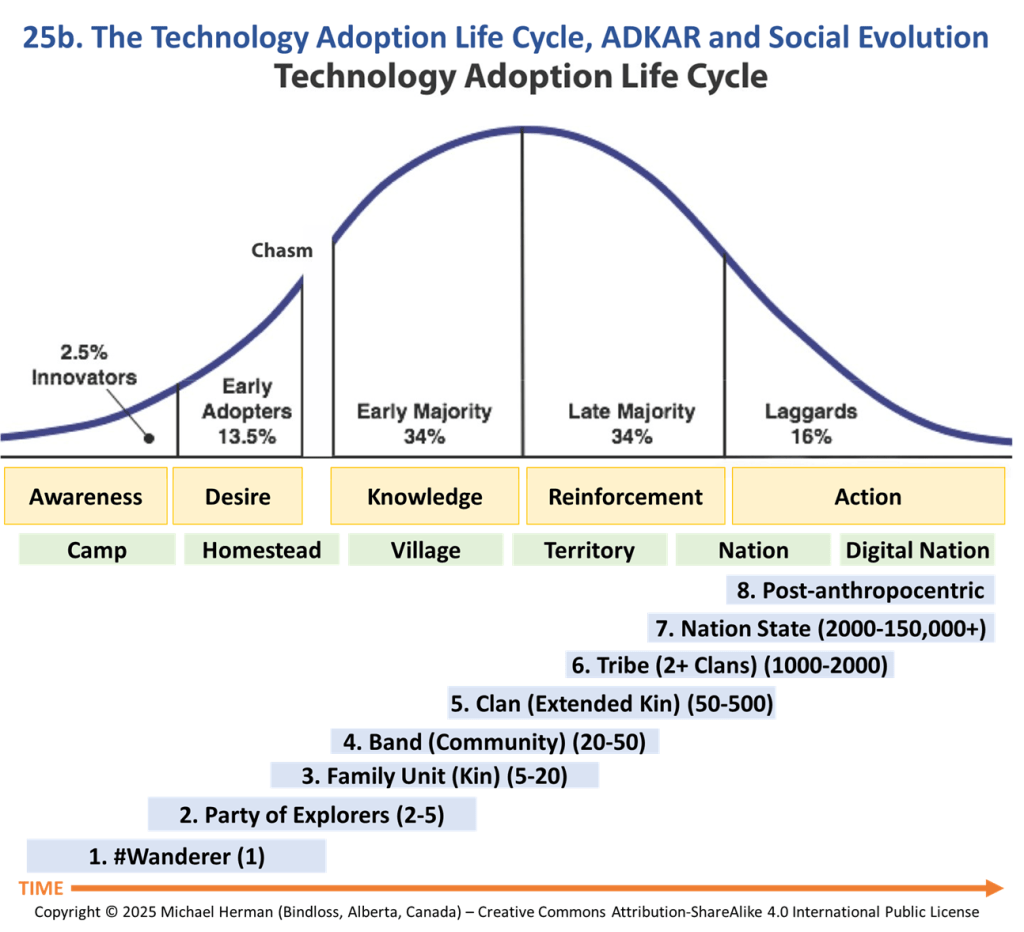
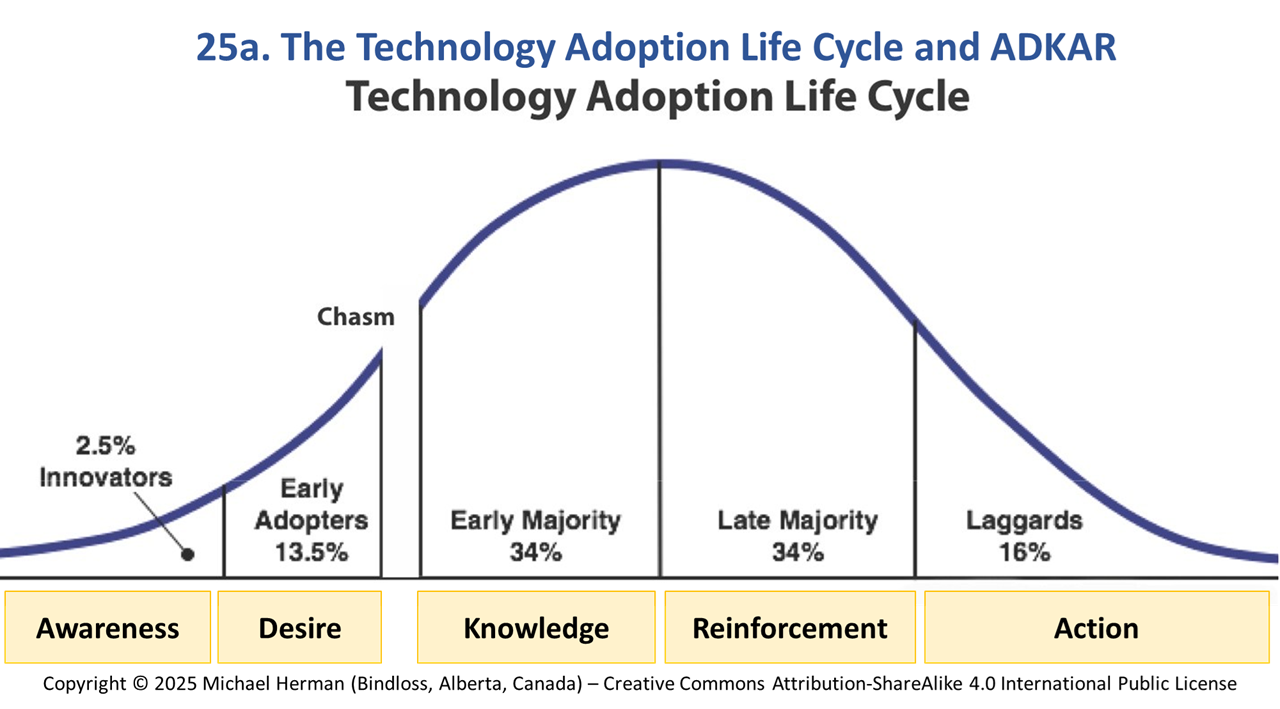
Model 25: The Technology Adoption Lifecycle and ADKAR
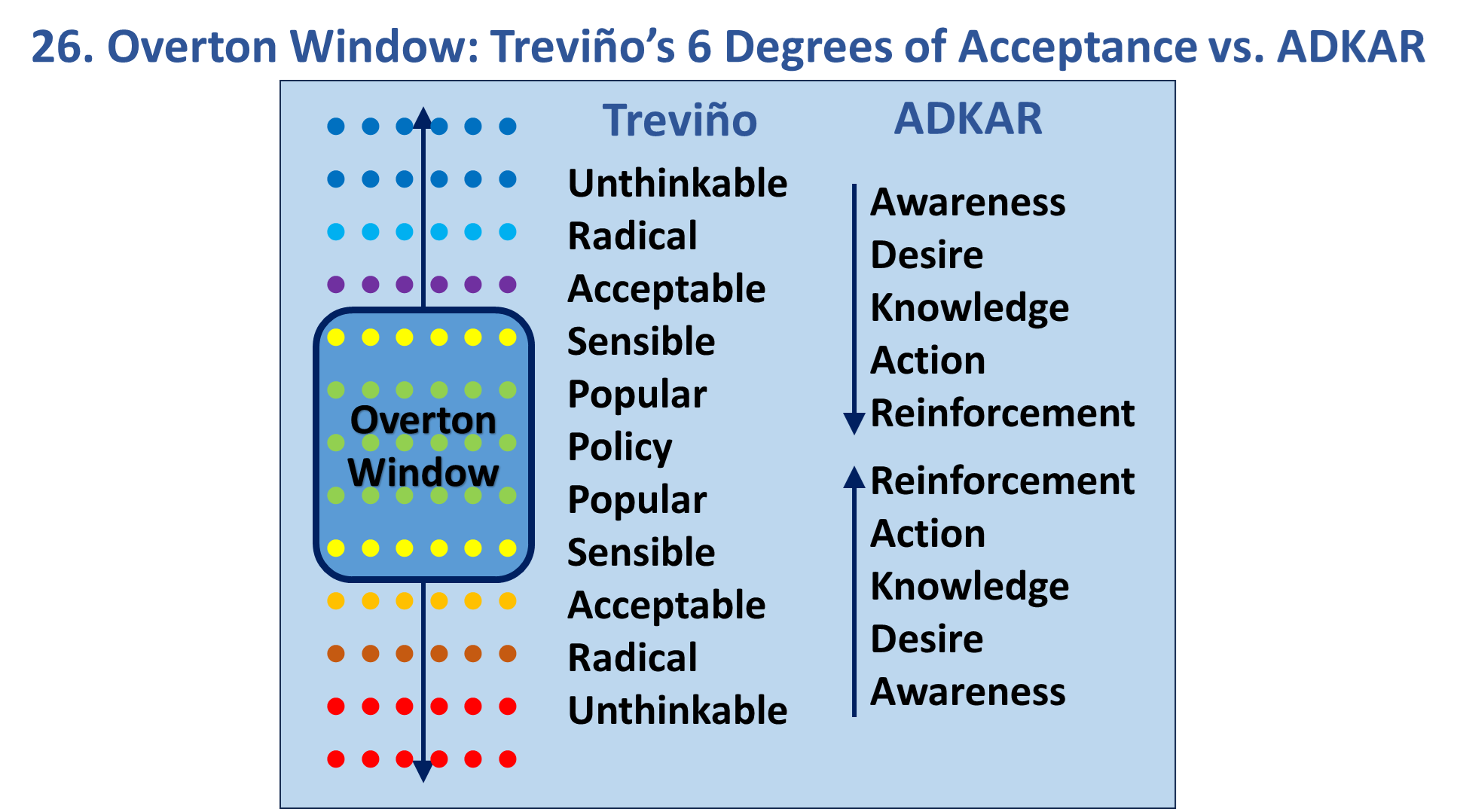
Model 26: Overton Window: Treviño’s 6 Degrees of Acceptance vs. ADKAR
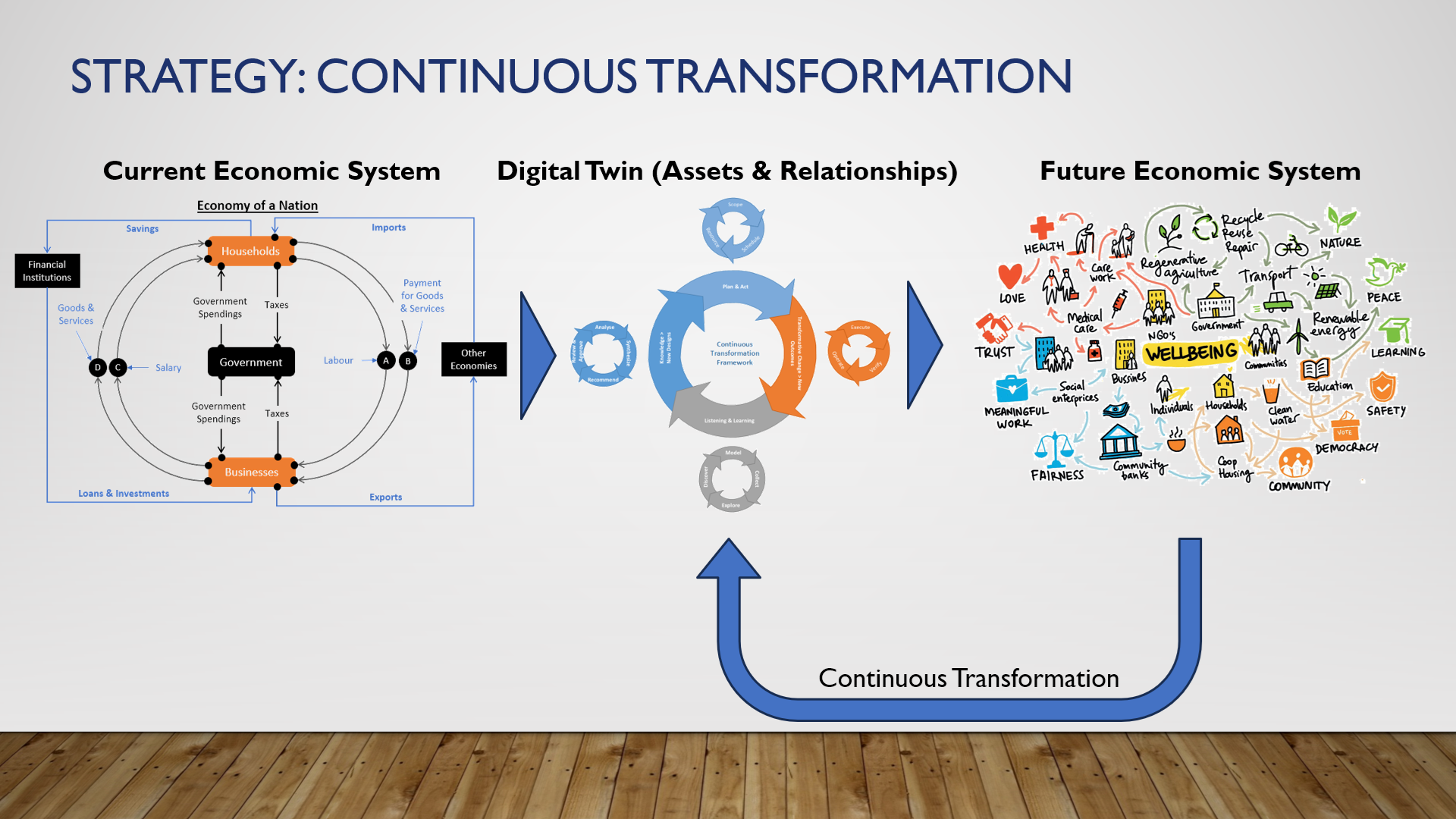
Michael is the inventor of the #Graphitization Continous Transformation Model – a closed-closed loop feedback process for the ingestion, modeling, analysis, visualization, systems optimization, and life cycle management of any type of strategy, system, asset, architecture, or process.
Figure 1. #Graphitization Continuous Transformation Model
A key concept of #Graphitization is the implementation of Transformative Changes that result in positive increases in business value in the system being modeled.
#Graphitization
What is #Graphitization?
#Graphitization is a data science and enterprise architecture framework and process model for modeling, ingesting, organizing, analyzing, and visualizing any domain of endeavor by using graphs – networks of connected objects and relationships with each object and relationship annotated with additional descriptive information (metadata).
The primary applications of #Graphitization are:
System optimization,
Systems life cycle management, and
Transformative Change in resulting in positive increases in business value for the system being studied.
A system is defined as any collection of strategies, system components, assets, architectures or processes.
Automated service composition of cloud services-based data systems
Large collaborative ecosystems: employee groups, business partners, social networks
Large ecosystems of competing or competitive business organizations
Organization principles and belief systems
Conventions software applications and architectures: desktop, server, and web apps
International standards for visual modeling languages
Parallelspace ModelMate
Enterprise Data Management
Internet of Things (IoT)
Architecture Reference Models
Standards
NEO Enhancement Proposal (NEP) Standards Author
Principal author: NEP-10 Composite Smart Contracts
“This NEP proposes a solution to the scenarios where a smart contract supports extensions to an existing standard. Conforming to this NEP involves implementing a single required, constant-valued operation and method `supportedStandards`, and possibly creating one or more new NEPs to define any new, required set(s) of required operations and methods.”
Reference: https://github.com/neo-project/proposals/blob/master/nep-10.mediawiki
Projects and Publications
0. SerentityData Graph
Model-based off-chain and on-chain (blockchain) graph data creation, migration, visualization, and analysis
Abstract
SerentityData Graph is an entity-relationship modeling, serialization, and graph analysis solution that supports development of traditional full-stack and blockchain smart contract applications. SerentityData features tight Neo4j integration for on-chain & off-chain graph data visualization and analysis.
Description
SerentityData Graph is an open source, entity-relationship modeling, serialization, and graph data visualization and analysis solution that supports the development of traditional full-stack, blockchain-based smart contract, and Neo4j graph database applications.
Starting from a single data model, SerentityData supports the automatic code generation of entities and relationships that support symmetric development of: (a) off-chain data in traditional multi-tier full-stack applications, (b) on-chain data management for blockchain-based distributed ledger technology apps (dApps), and (c) Neo4j enterprise graph applications.
SerentityData features complete life-cycle integration with Neo4j for on-chain and off-chain graph data creation, migration, visualization, and analysis. Live code walk-throughs and demonstrations will enable you to begin using SerenityData and Neo4j immediately. Github: https://github.com/mwherman2000/serentitydata-compiler
4. Automated service composition of cloud services-based data systems
Call the solution “Expedia for Microsoft Azure/AWS/SFDC/…” or whatever you prefer, today’s commercial cloud services platforms are still a pain in the ass to use for creating non-trivial applications. Left, right, and center you have to hand-code a myriad of worker processes simply to reformat and pass data around.
#Graphitization is an optimal approach for modeling the underlying cloud services platform services catalog.
5. Large collaborative ecosystems: employee groups, business partners, social networks
Project “Boston” is named after some potential business partners and the embryo for the idea coming from my months as a founding Groove Networks business partner (including many of my most important relationships that I still maintain today).
6. Large ecosystems of competing or competitive business organizations
Modeling of large ecosystems of competing/competitive business organizations is a straightforward #Graphitization use case.
7. Organization principles and belief systems
On the surface, the #Graphitization of principle and belief-based frameworks is pretty straightforward but this is because the basic #Graphitization serves as the substrate for many advanced data ingestion, analysis, and visualization projects.
Below are the results of the #Graphitization of two principle and belief-based frameworks:
9. International standards for visual modeling languages
A significant investment has been made in applying #Graphitization to language modeling; specifically, languages for enterprise architecture like ArchiMate.
Modeling and analyzing enterprise data structures and stores is a common application of #Graphitization; including the modeling of taxonomies and master data.
Parallelspace ModelMate is an approach (platform and language framework) for creating domain specific languages (DSLs) for enterprise architecture. It is realized using #Graphitization and the ArchiMate enterprise architecture modeling language.
IoT is an interesting beast. It is a reference to an application service for processing raw events from a device or dynamically generated events from a software system. IoT also defines a conceptual software and data flow architecture that can also be used for the dynamic creating and maintenance of complex systems such as large enterprise architectures.
Original title: What are the differences between improving the design (and operation) of a smart city, an aircraft engine, a muscle car, a large enterprise, and/or an integrated commercial global cloud services platform …running at hyperscale?
All of the publications below are full-length white papers or technical notes – unless noted otherwise (e.g. presentations, training materials, online product help).
Move beyond digitalization of the enterprise to graphitization of the enterprise, the creation of your organization’s digital twin. Here’s a great diagram that explains this concept. (click on the diagram to enlarge it)
Figure 1. Digital Twin Model of IT
Graphitization of not only all of your corporate information assets across all of your constituencies and stakeholders – at the data, application entity, and business object level – but also the graphitization of all of the interconnections between every business process, application system, infrastructure component, cloud service, vendor/service provider, and business role that uses, manages, or stores corporate information (Crossing the EA Chasm: Automating Enterprise Architecture Modeling #2).
Use graphitization to make your existing corporate information more available, more usable, and more informative. Graphitization enables you to “Keep Calm and Have IT Your Way“.
What is #Graphitization?
#Graphitization is a data science and enterprise architecture-inspired framework and process model for modeling, ingesting, organizing, analyzing, and visualizing any domain of endeavor by using graphs – networks of connected objects and relationships with each object and relationship annotated with additional descriptive information (metadata).
The primary applications of #Graphitization are:
System optimization,
Systems life cycle management, and
Transformative Change in resulting in positive increases in business value for the system being studied.
A system is defined as any collection of strategies, system components, assets, architectures or processes.
Using #Graphitization
Use graphitization of your organization to help close both the Enterprise Architecture Chasm and the Operational Data Chasm. See below.
Figure 2. Continuous Transformation Framework: Enterprise Architecture Chasm and Operational Data Chasm
Figure 3. Continuous Transformation Framework: Processes and Activities
To learn more about other applications of graphitization, check out the following articles:
Web 7.0 is an identity-native execution environment where:
Everything is addressable by DID
Agents (not apps) are the primary unit
Trust is built into the runtime
Identity as the OS namespace
DIDs used as:
identifiers
routing
authority boundaries
This is a real shift from URLs (location-based) → identity-based addressing
“Library OS” concept
OS is not monolithic
It’s a collection of interoperable libraries
Similar to Unix philosophy
But applied to identity + agents
Polyglot host framing
Strong analogy to PowerShell and JVM / CLR
This is technically grounded—not hand-wavy
Integration into a single OS-level abstraction
Decentralized identity (DIDs)
Agent-based systems
Polyglot runtimes
Trust frameworks
These are orthogonal stacks:
OpenAI → intelligence-first OS
Web 7.0 → trust/identity-first OS
The real future: if both succeed: AI agents running on DID-native infrastructure
Best-case scenario (speculative but coherent)
Every entity has a DID
Agents act on behalf of those identities
Communication via DIDComm
Trust via credentials
Execution via polyglot host
Result: A self-sovereign, agent-driven internet runtime
Bottom line:
Coherent architectural vision
Technically grounded components
Clear differentiation (identity-first OS)
Final insight (most important)
“What if identity—not compute nor UI nor AI—was the foundation of the new Internet?”
That is a radical inversion of:
Windows (device-first)
iOS (app-first)
OpenAI (AI-first)
Web 7.0 (identity-first)
Transcript
7:197 minutes, 19 secondsAlrighty. Welcome everyone to the uh first DIDCom user group meeting of the month of March 2026. 7:307 minutes, 30 secondsUh I I see familiar faces unless someone wants to reintroduce themselves at this time 7:417 minutes, 41 secondsbut uh hearing nothing. Uh today our topic of agenda is uniform didcom message types presented by Michael here. 7:527 minutes, 52 secondsSo uh with that being said, I’ll let you take it away. Thanks Colton. 8:008 minutesUm so I’ve been doing this DID stuff for quite a long time. I’m a named contributor to the original DIDS spec 8:088 minutes, 8 secondsand um and a bit of a rebel. Um, and so I picked kind of an innocuous name here. 8:178 minutes, 17 secondsI did call message types. I’m not going to run this full screen because when I make when I use PowerPoint, I use it to make diagrams and they’re often bigger 8:268 minutes, 26 secondsthan the slide. So, I’m going to keep it at this 60% resolution. 8:318 minutes, 31 secondsAnd um, what we’re doing here is at web 7.0 Z is we’re creating an actual did 8:408 minutes, 40 secondsexclusive operating system and there’s a special kind of operating system called a 8:478 minutes, 47 secondslibrary operating system. So I’m going to take a few minutes just to explain that just to give it context as to why 8:558 minutes, 55 secondsum I think these uniform didcom message types are important. 9:009 minutesSo it’s going to be a little bit tutorialish uh to start with. So when you think of a did operate uh excuse me 9:089 minutes, 8 secondsa library operating system down here at the bottom these are the traditional host or 9:189 minutes, 18 secondsoperating system services you would expect. And the li a library operating system is something that sits on top of 9:259 minutes, 25 secondsthat and it provides a system of libraries that provide a ecosystem or 9:329 minutes, 32 secondsframework specific set of interfaces and you never reach down and use the operating system interfaces. 9:429 minutes, 42 secondsSo you’re always um calling in from the application layer here through the 9:519 minutes, 51 secondsdeveloper abstraction into these bunch of libraries which in turn calls through the host 9:589 minutes, 58 secondsabstraction layer down here. This was pioneered in the 1990s. 10:0510 minutes, 5 secondsThere’s a lot of current research going on for example to make Windows a library-based operating system. The 10:1410 minutes, 14 secondsidea is to make the kernel of the operating system as small as possible and for the library operating system to 10:2010 minutes, 20 secondsrun in user space. It’s um it’s a way of doing a sort of virtualization 10:2810 minutes, 28 secondsum like uh well virtualization without u having to 10:3610 minutes, 36 secondscreate an entire virtual machine. So if we go down another step, the next thing you need in your library operating system is a bunch of libraries. 10:4610 minutes, 46 secondsuh and these are you know intermediate to medium level libraries that you know support whatever the application framework is that you’re trying to do 10:5610 minutes, 56 secondsand so if we think of some of them I’m still staying generic here uh but you know we need some sort of identity and 11:0311 minutes, 3 secondsmessaging protocols some sort of long-term or persistent memory um some sort of fast cache for having um uh 11:1311 minutes, 13 secondsready fast access to different objects and that sort of thing. Um maybe an agent framework. And then we need a call 11:2311 minutes, 23 secondsinterface, a way to call through the host abstraction layer to get it some of 11:2811 minutes, 28 secondsthese resources down here. So um 11:3611 minutes, 36 secondswe talk about this number two here being the the north interface. 11:4111 minutes, 41 secondsUm, and that’s a term that was started in 1990. 11:4611 minutes, 46 secondsOh, I forget the name of the operating system project right now. But the idea is there’s a north face that applications talk to. There’s a south 11:5511 minutes, 55 secondsface that the library operating system calls through. And then you optionally can have east and west interfaces 12:0312 minutes, 3 secondsfor things that don’t fit in. and and I’ll I’ll show you some things that we’re going to put over here on the left 12:1012 minutes, 10 secondshand side in a moment. Um any questions on this kind of concept of a library operating system so far? 12:2112 minutes, 21 secondsNot really a question. Uh just kind of a comparison. Uh this kind of reminds me of Docker and what Google’s idea was 12:2912 minutes, 29 secondswith uh core OS where you essentially had a it was a Linux distribution that 12:3612 minutes, 36 secondsran Docker. You couldn’t SSH into the box really. Uh I mean you could technically but not practically. So you 12:4512 minutes, 45 secondsset up the box that runs Docker containers and whenever you want to uh like spin up applications or have them talk to each 12:5312 minutes, 53 secondsother. I mean it’s you know just a docker box but it has that lightweight feel of it and you’re not running like 13:0013 minutesas you mentioned uh the kernel’s small it’s shared between all of these containers so you’re not running the 13:0713 minutes, 7 secondskernel for each and every single uh one of your applications in the containers. 13:1313 minutes, 13 secondsYeah. No, that’s a valid comment. Um there’s probably six different dimensions to this discussion which 13:2113 minutes, 21 secondswould be a whole different talk. So it’s similar from a containerization perspective. Where this would differ from Docker is that Docker apps, 13:3213 minutes, 32 secondsapps that run in Docker still typically call to the host operating system directly. And you could say, well, yeah, 13:3713 minutes, 37 secondsbut my application has an intermediate layer. This is about formalizing the intermediate application layer um as a as an operating system interface, 13:4913 minutes, 49 secondsa higher level operating system interface. But uh the comparison with Docker and um a number of other 13:5613 minutes, 56 secondsvirtualization uh strategies is the same. Um I I’d introduced kind of the west interface here and I I’ve I’ve put the actual creation of messages, 14:0814 minutes, 8 secondsmessage payloads, relationships, trust libraries on the side. And the other thing I’ve introduced is on the right 14:1514 minutes, 15 secondshand side, you know, solution builders build the purple boxes. 14:2114 minutes, 21 secondsuh host um builders or operating system builders build the items below the south uh 14:3014 minutes, 30 secondsinterface and then in the case of um the web 7.0 14:3714 minutes, 37 secondsuh did libos it’s the web 7.0 foundation you know governance council that kind of 14:4414 minutes, 44 secondsowns and match manages this stuff. So as I was looking through this, I said, 14:4814 minutes, 48 seconds”Okay, these are these are core these are really really deep core things that I have to have and these things I have to have as well, but these tend to be 14:5714 minutes, 57 secondsthings that are built on the the core items that are in the red box.” And um there’s still some latitude for that to 15:0415 minutes, 4 secondschange, but um if you just go with that as far as this explanation is concerned. 15:1015 minutes, 10 secondsSo then what I did is we’re getting serious now about this did exclusive decentralized library operating system 15:1915 minutes, 19 secondsand when I say did exclusive I should change this here um did exclusive I mean everything is a did so for example I 15:2815 minutes, 28 secondsshould I have some statistics later on if you look in the didcom spec there’s 15:3415 minutes, 34 seconds109 118 references to http/didcom.org 15:4115 minutes, 41 secondswork for mostly for retrieving schema and stuff. So in the case of web 7.0 15:4815 minutes, 48 secondseverything is a did and so that has some implications and that led to this subject of 15:5615 minutes, 56 secondsnot just what is a uniform way of of defining message types but what’s a uniform 16:0216 minutes, 2 secondsway of using DIDs for everything we see in the operating system. So, of course, 16:1016 minutes, 10 secondsfrom the identity perspective, we have identifiers, documents, and the DID registry. From a messaging perspective, 16:1716 minutes, 17 secondswe’ve got DIDCOM messaging with DICCOM messages. Long-term memory, we actually use DICOM messages as our serialization 16:2816 minutes, 28 secondsum for long-term memory, long-term persistence, and I’ll explain a little bit more about that. Uh the memory 16:3516 minutes, 35 secondscache, the fast cache is also didcom messagebased. Uh the switchboard is what 16:4216 minutes, 42 secondslistens to the inbound interface and this is what um 16:4916 minutes, 49 secondslooks at the incoming messages, looks at the incoming uh message type, looks at the thread ID, and it decides um which 16:5816 minutes, 58 secondsone of these modules up at the top that message should be routed to automatically. 17:0417 minutes, 4 secondsSo it’s a it’s a generalpurpose library operating system for running any DICCOM application 17:1317 minutes, 13 secondsany DICCOM application that conforms to the to the to the lib operating system. 17:2017 minutes, 20 secondsAnd then just to kind of emphasize this idea about being did and didcomentric 17:2617 minutes, 26 secondswhen we’re calling functions or methods within the operating system we’re actually using didcom messages for that. 17:3417 minutes, 34 secondsAnd you might say, “Oh, Michael God, that’s way overboard. That’s expensive. 17:3817 minutes, 38 secondsYou’re telling me that I’ve got to um uh verify and and and decrypt these messages.” 17:4617 minutes, 46 secondsMy answer is yes. And the reason why is because we’re using didcom messages everywhere for persistence, for the fast 17:5517 minutes, 55 secondscache, for routing, uh for for passing parameters around. 18:0118 minutes, 1 secondIf that’s the slowest, worst part of the system, that’s the one that people are going to focus on and make faster. I’m 18:0818 minutes, 8 secondsnot worried about that problem not being solved. Um, I’ll stop for questions in a minute. 18:1618 minutes, 16 secondsOn the left side here in the gray, you know, we’ve got libraries for creating actual DICCOM messages. Verifiable 18:2318 minutes, 23 secondscredentials is the default format uh for payloads, although you could use any JSON format, but we we lean heavily 18:3218 minutes, 32 secondstowards verifiable credentials. Uh trust relationships, we’ve got a concept of verifiable trust circles, which is based 18:4118 minutes, 41 secondson multi-proof verifiable credentials. And then I stuck the trust libraries down here. These are 18:4918 minutes, 49 secondsjust our standard libraries for doing hashing, signing, verification, 18:5318 minutes, 53 secondsencryption, and decryption. You could say they could be down below the hardware or below below the host abstraction error layer. Um, 19:0519 minutes, 5 secondswhat I’ve chosen to do is put them here because they’re under the governance council in terms of these particular 19:1319 minutes, 13 secondslibraries. And I probably should have like a 7.5 over here, which is actually the operating system um encryption 19:2119 minutes, 21 secondslibrary. So, uh that’s that’s a change I’ll Oops. That’s a change I’ll uh I’ll make later. I’m just going to copy and paste this over here to remind me. 19:3219 minutes, 32 secondsSo, um so this is deadl OS. This is a 19:3919 minutes, 39 secondsplatform, a global platform for running 19:4619 minutes, 46 secondsarbitrarily complex networks of uh didcom agents. 19:5419 minutes, 54 secondsNow, that’s a bit of a mouthful. Anybody have any questions about that? 20:0320 minutes, 3 secondsOh, come on, guys. 20:0520 minutes, 5 secondsOne question that I do have uh I’ll speak up here. Uh one question that I do have in relation to how everything’s 20:1420 minutes, 14 secondsbeing handled in with didcom messages here. Yeah. 20:1820 minutes, 18 secondsUh is part of the idea that if an applica like so we’re talking about didcom messages 20:2620 minutes, 26 secondsbeing used for interprocess communication on the same box potentially. 20:3320 minutes, 33 secondsUm no glo globally as well as in the same blocks. 20:3720 minutes, 37 secondsUh I was going to get to that. So if uh for example I wrote an application instead of writing did comps you know 20:4520 minutes, 45 secondsstuff in within my own application could I forward that off through like the quote unquote IPC messaging portion here 20:5420 minutes, 54 secondsand have that end up going to a different box on the internet? Yes. Absolutely. 21:0321 minutes, 3 secondsSo, let me go into this one. I put it in there. Wasn’t sure if I was going to use it, but this is what a a web 7.0 21:1121 minutes, 11 seconds7.0 agent looks like. Um, 21:1721 minutes, 17 secondsso we have didcom messaging here. I just called it version 7.3 cuz there’s a a series of these. And you see that it 21:2421 minutes, 24 secondsruns on top of REST over didTP. Um you may remember in one of our conversations I brought up uh this concept of zero 21:3321 minutes, 33 secondstier which is a wide area virtual network uh software solution. 21:4021 minutes, 40 secondsWhat’s cool about that is I dug into it and it’s an open- source solution is internally 21:4721 minutes, 47 secondsit uses 64-bit device IDs and each device ID has its own its own 21:5521 minutes, 55 secondspublic private key pair for uh encrypting the packets that are sent over the virtual network. 22:0622 minutes, 6 secondsAnd it’s somewhat incidental that the API for this virtual network is IPbased or socket based. 22:1722 minutes, 17 secondsSo we’ve done quite a bit of investigation and we believe that we can take the zero tier 22:2622 minutes, 26 secondsguts and actually put DIDs on top of it instead of IPs. Remember, 22:3422 minutes, 34 secondsa virtual IP network is IPs on top of IPs. IPs, virtual IPs on top of physical IPs. 22:4322 minutes, 43 secondsSo, what we’re going to do is use didcom addresses on top of 22:5022 minutes, 50 secondsthe physical IPs that that um that you get from your from your router. 22:5822 minutes, 58 secondsSo, we’re actually talking about a did version a a dead version 23:0523 minutes, 5 secondsof the internet global communications network 23:1323 minutes, 13 secondsand being able to send DICCom over that network. 23:1723 minutes, 17 secondsSo that’s the networking side, the purple and the yellow boxes. Here we’ve been looking at different ways of 23:2523 minutes, 25 secondscreating a programmable didcom agent, 23:3123 minutes, 31 secondssome sort of scriptable agent and I happened to stumble across PowerShell 23:4123 minutes, 41 secondsa few years ago and par PowerShell almost in and of itself you might be familiar with it. It’s used for doing 23:4823 minutes, 48 secondsadministration activities on Windows systems, Linux systems, and uh iOS systems. It’s crossplatform. It’s open- 23:5623 minutes, 56 secondssource for Microsoft. 23:5923 minutes, 59 secondsAnd it it is literally like an operating system. You can create what are called runspace pools, which 24:0724 minutes, 7 secondsare run spaces, and each one of these is an execution area. You can import modules 24:1424 minutes, 14 secondsinto a runspace. And a module is a set of commands, commandletits. 24:1924 minutes, 19 secondsAnd so this could be a runspace that implements a purchasing process. Or this could be 24:2624 minutes, 26 secondsone that uh implements a systems administration process or this one could be a request for quotation 24:3624 minutes, 36 secondsum type of process. These can be actual workflows that can be either scripted or programs. 24:4624 minutes, 46 secondsAnd so this is the heart of our digital agents. And so if you think if I use a maybe you guys some of you guys have maybe have a little more of a a Unix 24:5424 minutes, 54 secondsbackground. If you think of like the bash or the corn shell or whatever and you put acom 25:0325 minutes, 3 secondsendpoint on top of it, that’s what I’m doing here. I’m taking a very rich execution environment, multi-platform, 25:1025 minutes, 10 secondsmultios, 25:1225 minutes, 12 secondsand we’re putting a didcom thing on the front of it. 25:1925 minutes, 19 secondsAnd the last box here is the blue box. 25:2225 minutes, 22 secondsThese are called lobes because initially we were modeling the trusted digital assistant as a brain. 25:3125 minutes, 31 secondsAnd a brain has lobes and each lobe is responsible for different cognitive functions. So I went into chat GPT and I 25:4025 minutes, 40 secondssaid using L OB come up with a phrase that is useful in the context of web 7.0 25:4825 minutes, 48 secondsZ and it came up with the idea of loadable object brain extensions. 25:5425 minutes, 54 secondsAnd so these are implemented as PowerShell modules that can be dynamically loaded 26:0126 minutes, 1 secondwhenever the a command is issued u that refers to or that’s that’s implemented by one of those modules. 26:1126 minutes, 11 secondsSo, we’ve got a just an incredible environment for building digital agents. Any questions on that? 26:2126 minutes, 21 secondsSo, when you were talking about the whole interidnet, 26:2626 minutes, 26 secondsis that I’m just trying to wrap my head around this portion here. Is that similar to like kind of replacing the TCP IP stack, 26:3826 minutes, 38 secondsbut you’re actually just sitting on top of it? As far as like applications are concerned, it’s in a sense replacing it’s replacing it’s replacing raw sockets with a DID interface. Yes. 26:4926 minutes, 49 secondsOkay. 26:5026 minutes, 50 secondsOr you can think of it as a parallel to DID or to raw sockets that understands DITS. 27:0027 minutesOkay, that’s pretty cool actually. Thank you. 27:0327 minutes, 3 secondsYeah. And uh I’m actually you guys didn’t know um Daniel uh 27:1127 minutes, 11 secondsBarding Daniel and I are talking about this on Friday. 27:1627 minutes, 16 secondsBut that would be very cool because a lot of the stuff that the group has been working on with relay agents and all 27:2327 minutes, 23 secondsthat kind of stuff that belongs down here in the network. So just the same way that TCPIP 27:3227 minutes, 32 secondsrelays and buffers and provides reliable communications for packets, 27:3827 minutes, 38 secondsthe interdidnet is going to do the same thing for didcom messages. So we no longer have to have relays and and and stuff that we build at the user level. 27:5527 minutes, 55 secondsUm, okay. So, this is just context so far. 28:0028 minutesI’m going to show one more slide. It’s just kind of context. So, 28:0728 minutes, 7 secondswhen I I I I kind of sketched out a few sample applications. So, what would email look like? What would the protocol 28:1628 minutes, 16 secondslook like? We’re going to store it in long-term memory. What would the did for the long-term memory look like? There’d 28:2228 minutes, 22 secondsbe collections of of messages in long-term memory. What would how would we didify those? Um 28:3128 minutes, 31 secondshere’s a purchasing application. Inbound purchase orders, outbound purchase orders, that kind of stuff. What what would if we wanted to didify, what would 28:4028 minutes, 40 secondsthat look like? um presents uh notifications, calendaring, 28:4628 minutes, 46 secondsum this is where I really kind of started and and just iterate, iterate, iterate 28:5328 minutes, 53 secondstrying to figure out how do I bring the DIDS spec together? How do I bring the DIDCOM spec together? Um how do I bring 29:0129 minutes, 1 secondkind of some of the PowerShell attributes together, the naming conventions, etc. The one app that I haven’t talked about, this is the switchboard app. 29:1229 minutes, 12 secondsAnd this is the one that listens to the inbound interface. 29:1929 minutes, 19 secondsSo it takes all the messages and it stores them in this messages collection. 29:2829 minutes, 28 secondsAnd as well as any outbound messages. And I know it’s all kind of cryptic, but where it says MSG, that’s a real message. 29:3929 minutes, 39 secondsThat’s a a copy of a message. And down here, these are stubs. You notice all 29:4629 minutes, 46 secondsthe apps use stubs. One of the cool things about PowerShell is you can chain 29:5429 minutes, 54 secondscommandlets together just visually or syntactically the same as you do in a Unix shell. in a Unix shell. Um, 30:0630 minutes, 6 secondswhat’s written to stood out and what’s read on stood in for all intents and purposes is always uh, you know, text. 30:1530 minutes, 15 secondsWhat’s really cool about PowerShell is when you’ve got um an object that you’re passing from one 30:2430 minutes, 24 secondscommandlet to the next, it’s all running within this single runace. And so what 30:3130 minutes, 31 secondsPowerShell does is persist one copy of that object and all it does is pass the handle from the first commandlet to the 30:3930 minutes, 39 secondssecond commandlet to the third commandlet to the fourth commandlet. So the efficiency there’s no copying or 30:4630 minutes, 46 secondsserialization or des serialization of objects from one commandlet to another. 30:5230 minutes, 52 secondsSo we use that in in our storage model by storing one instance of the messages 30:5930 minutes, 59 secondson a particular client on a particular trust the digital assistant and every other app then is 31:0631 minutes, 6 secondsjust referring to the handle or the stub for the message that’s stored over here. 31:1231 minutes, 12 secondsSo the switchboard is what listens to the inbound interface. It’s also we we talk about an outbound interface although that’s a 31:2131 minutes, 21 secondslittle bit abstract but if you if if these thing if the message if the email app puts something in the outbox 31:3031 minutes, 30 secondsit creates the message over here it sends the message to the switchboard puts it in the outbox and then 31:3831 minutes, 38 secondsthe switchboard looks at sending that out. So all sending and receiving from inbound and outbound uh interfaces is 31:4631 minutes, 46 secondsdone by the switchboard and it’s essentially serving as the archive uh etc. 31:5431 minutes, 54 secondsAny any questions there? I know this is this is a ton of stuff that’s new. 32:0132 minutes, 1 secondAll I’m trying to do with this slide is highlight the naming challenges we have from a DID perspective. 32:1032 minutes, 10 secondsOkay. What’s this one? I’m not going to go into that one. So, if we go into the DIDCOM spec, 32:1832 minutes, 18 secondsif it’s supposed to be a DID communication messaging spec, you know, 32:2532 minutes, 25 secondswhy is HTTP mentioned 118 times? 32:2932 minutes, 29 secondsWhy is this mentioned 32 times? 32:3632 minutes, 36 secondsSo just a little poke in the ribs is ds are under slashmisrepresented in the spec. And I’m going to show you a couple examples. 32:4532 minutes, 45 secondsSo here when we’re defining the um in the spec section 9.1 this didcom spec 32:5332 minutes, 53 secondsthe protocol identifier URI. There’s one lowly did example here and it doesn’t even conform to the grammar. 33:0333 minutes, 3 secondsUh, it’s got a semicolon in it, which isn’t in the grammar, 33:0833 minutes, 8 secondsand it’s got a message type or a message name on the end. And 33:1633 minutes, 16 secondsmessage names or message types aren’t even part of this part of the spec. So, that line is completely wrong. 33:2433 minutes, 24 secondsThe semicolon actually is. It’s uh under delimiters. I will show you it isn’t. 33:3333 minutes, 33 secondsSo if we go to the did specification, 33:3633 minutes, 36 secondsthe semicolon colon character can be used according to the rules technically, but future versions of spec may use it for something else. So it’s recommended against using it. 33:5133 minutes, 51 secondsSorry that I made you step into that. 33:5433 minutes, 54 secondsI I was looking specifically at that slide which said like the limb and had semicolon in that list. So yeah. Yeah. No, I know. And this is 34:0334 minutes, 3 secondswhere it gets tricky and until you really start building stuff, it’s really hard. Okay. So, here this then so this 34:1134 minutes, 11 secondsslide is the protocol identifier. The first part of it, um, 34:1834 minutes, 18 secondsthe really nice thing I like about what the what the didcom spec does is, you know, the didcom.org part that we put in there. 34:2734 minutes, 27 secondsI call that the authority. 34:3134 minutes, 31 secondsAnd then this is like the did method subject to this authority. 34:4034 minutes, 40 secondsIt’s a bit of a mind jump, but I’m going to show you how I make use of that later on. And this completely perverts the did 34:4734 minutes, 47 secondsdid specification, but so be it. Um, so here now we’re adding the message type name after. 34:5534 minutes, 55 secondsAnd here we’re using the semicolon. We we’re pass that argument. Um, 35:0235 minutes, 2 secondsbut I don’t think this, 35:0535 minutes, 5 secondslike if I try to compare one of these HTTPS ones to the did example, like they just they don’t they don’t match up and 35:1335 minutes, 13 secondslike why is this a URL? Why does this look like a URL? 35:1835 minutes, 18 secondsAnd um anyway, 35:2235 minutes, 22 secondsit we can we can nitpick, but basically I’m saying that and these are the only two examples in the entire spec. And 35:3135 minutes, 31 secondsthen of course there’s hundreds of places where HTTP is used to get at the um you know the schema, the context 35:4035 minutes, 40 secondsthing. Well, you know, if we’re building DIDCOM, why aren’t those uh DID URLs to get at the schema? 35:4835 minutes, 48 secondsUm, so here we start to get into some of the solution. So part of this thinking 35:5535 minutes, 55 secondsoriginated like in the W3C side of things and in the um webv 36:0436 minutes, 4 secondsum did sell discussions, people are realizing that these did methods are more the same than they are different or 36:1236 minutes, 12 secondsat least they can be componentized or potentially factored. And so I said, why don’t I’ve got a whole another thing 36:1936 minutes, 19 secondsthat I’ve done where I said, why you could actually factor these as interfaces. You could have a a base class for a DID method and it could be, 36:3036 minutes, 30 secondsyou know, derived from a reposi like a blockchainbased repository registry or a 36:3636 minutes, 36 secondsweb-based registry or um whatever. And so I actually prototyped it in C sharp 36:4536 minutes, 45 secondsand then said, well, if I turn these all into interfaces, then we can actually build dynamically build D did methods on 36:5236 minutes, 52 secondsthe fly. A developer when they need a DID method can just say, I want a new DID method and it’s going to inherit 36:5936 minutes, 59 secondsthese interfaces and it’ll automatically be one that does uh event history. It’ll automatically, you know, go to a 37:0737 minutes, 7 secondsblockchain. If later on I want to change it to be web- based, I can do a web- 37:1137 minutes, 11 secondsbased um interface. And and that going down that path led me to this idea that we could create an 37:2037 minutes, 20 secondsinterface description language, a formal language used to describe um did methods 37:2937 minutes, 29 secondsand I go on and on about that. And then here’s some examples. 37:3537 minutes, 35 secondsSo this is really getting to the title of the talk and so first of all I needed dids for things. So this is actually my 37:4337 minutes, 43 secondsproposal for a uniform didcom message type. 37:5637 minutes, 56 secondsSo the idea is this first thing is the the authority. This is the didcom.org. 38:0238 minutes, 2 secondsAnd then I needed a group I wanted to have a grouping mechanism because there’s another spec called the uh APQC 38:1038 minutes, 10 secondsuh process classification framework which organizes things into processes that are made up of capabilities that 38:1938 minutes, 19 secondsare made up of tasks. And so I wanted to start with a process name and a version like a sim version 38:2838 minutes, 28 secondsslash a capability slash or underscore version followed by 38:3438 minutes, 34 secondsa task name and I’ve been iterating on this quite a bit 38:4338 minutes, 43 secondsand so here’s an example. So if web 7.0 is the authority onboarding is the 38:4938 minutes, 49 secondsprocess. So where this perverts the DID specification is onboarding is really 38:5838 minutes, 58 secondslike a DID method but it’s a DID method that’s subordinate to this authority. 39:0339 minutes, 3 secondsAnd if we would have done this way back when, this would have solved so many problems with the DID registry and and all the hokey arguments we’ve got about 39:1339 minutes, 13 secondsabout DID methods cuz people could just declare themselves an authority and then do whatever they want. So, the other 39:2039 minutes, 20 secondsthing is I had to figure out uh a nice pattern for versions, something that would be easily parsed. And so, I call 39:2839 minutes, 28 secondsthese actually sim dash versions. It’s the same as the sim ver that’s in the spec, but using dashes instead of dots. 39:3839 minutes, 38 secondsAnd so, here’s a fully worked example. 39:4139 minutes, 41 secondsWe have an onboarding process that has an enrollment capability that has a verify email task name. 39:5239 minutes, 52 secondsUm, you can do it with or without the version. If you do it without the version, you just get whatever the most 39:5839 minutes, 58 secondsrecent version is um of the process and the most recent version of the enrollment capability. So that’s going 40:0740 minutes, 7 secondsright down to the task level which is what did call message types are. 40:1640 minutes, 16 secondsUm if you want to just address the capability because you also want to be able to occasionally ask okay ask a capability what tasks do you perform? 40:2840 minutes, 28 secondsThis is coming back to the uh interface description language which which tasks do you support? And similarly I might 40:3540 minutes, 35 secondswant to go to a process level and say okay uh purchasing process what um what capabilities do you support? 40:4440 minutes, 44 secondsAnd this becomes a very rich kind of a didcom scenario where I can start asking 40:5140 minutes, 51 secondslike a digital agent you know what process do you have what capabilities do you have for given capability? What task does it support? 41:0141 minutes, 1 secondSo this goes back, Colton, I think, to your earlier question about can this this could run tiny little bits of an 41:0841 minutes, 8 secondsapplication on on a million different digital agents. 41:1941 minutes, 19 secondsAny thoughts? 41:2241 minutes, 22 secondsSo is this like kind of a discover method that you are trying to implement in this language? Right. 41:3041 minutes, 30 secondsYou’re going to have to speak up a little bit, Benj Ben. Yeah. Can you hear me now? Yeah. 41:3641 minutes, 36 secondsSo, are you trying to implement something like discover method that is incom discover, right? So, 41:4541 minutes, 45 secondsyeah. So, I I’m aware that um didcom has discovery built into it. Actually, the 41:5341 minutes, 53 secondsnext slide I I go into that. So rather than so I’ve been trying to be faithful 41:5941 minutes, 59 secondsas possible in a weak way. Um but I think you’ll see like rather than just 42:0642 minutes, 6 secondshaving query and disclose I’m also following a pattern um 42:1342 minutes, 13 secondssuggested by PowerShell where you always have verb and a noun. So I’ve got query capabilities. 42:2242 minutes, 22 secondsOh maybe this isn’t quite right. query capabilities and this should be 42:2742 minutes, 27 secondsuh query task actually but wouldn’t it make sense to like map 42:3542 minutes, 35 secondsthe things that we already have to this language instead of like creating new stuff 42:4242 minutes, 42 secondsum I’m I I apologize can you say that again so wouldn’t it make sense to like map 42:4942 minutes, 49 secondsthe already capabilities that are there incom to this language instead of creating new keywords for it. 42:5742 minutes, 57 secondsUm, that’s a fair comment. Um, 43:0343 minutes, 3 secondsthe the answer is because we’re building a green field operating system because we’re building from the bottom up and 43:1243 minutes, 12 secondsthere’s so many little places where we’ve chosen, not just chosen to differ, but we’ve felt it important to 43:2143 minutes, 21 secondsdiffer. Um, I haven’t been religious about, 43:2643 minutes, 26 secondsyou know, fake backward compatibility to me. Like also, 43:3543 minutes, 35 secondsyeah, it kind of makes sense. But like we also have like certain things going on. So the biggest thing that we have 43:4243 minutes, 42 secondsissue with is the strings. So you know like if you are transporting certain things on like OS level messages like 43:4943 minutes, 49 secondsthese are too big like we personally use binary uh notation. So did is just you 43:5643 minutes, 56 secondsknow like X01 and like so we reduce the whole thing into just like a small messages and whenever we are sending 44:0544 minutes, 5 secondsover Bluetooth or like certain things that you would seen like the DICOM protocols we have uh okay this is kind of like the same kind of 44:1444 minutes, 14 secondsthings that like we found as well because when we are sign uh sending acom message over Bluetooth or something it’s 44:2144 minutes, 21 secondsquite huge just sending high up didcom is like you know it’s a huge message so we had to reduce it and compress it and 44:2944 minutes, 29 secondslike do certain things on top of it. So I I like the idea of like having a 44:3644 minutes, 36 secondslanguage that can like do all that didcom things and it is like small and like minute and everybody can use that 44:4444 minutes, 44 secondsbut uh I don’t know like we how we can all be compatible with each other if we are going to use like different naming schemes like that’s kind of an issue. 44:5444 minutes, 54 secondsOkay. So you you’ve got two different topics there. 44:5844 minutes, 58 secondsI understand your and appreciate your comment on the length. Uh there’s just 45:0545 minutes, 5 secondsoff the top of my m head two ways that we could look at addressing that from a web 7point perspective. One would be to 45:1345 minutes, 13 secondscreate an alias so that you could declare if this is something you whatever like use go back 45:2145 minutes, 21 secondsto the send email example. If this is um if this is a type you use a lot, 45:3145 minutes, 31 secondsyou could send a um an an alias 45:4045 minutes, 40 secondsan alias type uh didcom message to your agent saying whenever I give you this short message, expand it to this. 45:5345 minutes, 53 secondsYeah, this is like exactly like what we are doing currently. So, do you have any code for this? Like have you implemented any OS level code or anything on it? 46:0346 minutes, 3 secondsWe have we have working code that implements um 46:1046 minutes, 10 secondsthat well it implements everything except for the PowerShell part and 46:1946 minutes, 19 secondsum just a minute. And then the second thing I was going to say about what you mentioned was um so aliases and then and 46:2946 minutes, 29 secondsthis is just right off the top of my head. You could have the concept of a like a current working directory or a 46:3746 minutes, 37 secondscurrent working process. You could say um I’m going to talk to you but it’s always going to be in the context of 46:4546 minutes, 45 secondsthis process. So, from now on, I’m only going to talk to you about capabilities and tasks. It’s kind of like doing a CD 46:5446 minutes, 54 secondsto a process or even doing a CD down to a capability and then from that point on you just execute tasks. 47:0547 minutes, 5 secondsOkay. It’s quite interesting to me and I’ll be interested if you like open source any code to like look at it. 47:1247 minutes, 12 secondsOh, it Well, it is open source. It’s just kind of disorganized right now. Okay. 47:1747 minutes, 17 secondsUm Okay, just we’re get Oh, we’re doing pretty well on time. I’ve only got a one more SL formal slide left. So, here this 47:2647 minutes, 26 secondsis one. These are all kind of peace meal that I put together, but you know, if you start with the didspec and what it says and you start with the DIDCOM, I 47:3447 minutes, 34 secondswas at using 1.1 and then you start with PowerShell. 47:3947 minutes, 39 secondsUm, PowerShell has um run times, they have runtime pools. Oh, this is just the 47:4747 minutes, 47 secondsoverall runtime. They have runspace pools and run spaces. Um, and then they have modules and then they have the 47:5547 minutes, 55 secondsverb.object naming for tasks. So like verify email would be a verb object. And so you can run these together and say, 48:0348 minutes, 3 secondsyou know, did web 7 onboarding enrollment, you know, verify email. And I mentioned the APQC process classification framework. Well, 48:1448 minutes, 14 secondsit nicely breaks down processes, 48:1648 minutes, 16 secondsprocess, activities, and tasks. And it all works well. actually did is the did 48:2448 minutes, 24 secondsspec is the biggest culprit because they’re using the method here as the second component of the did thing and I 48:3248 minutes, 32 secondsreally want to use the second component as an authority right or I want to use the first one as 48:3948 minutes, 39 secondsauthority not as a not as a a did method I want the did method to really be the 48:4648 minutes, 46 secondssecond component of the did method It does that make sense to anybody? 48:5748 minutes, 57 secondsYeah, it makes sense. But you know like it uh so it makes sense but uh what I’m 49:0449 minutes, 4 secondslike uh thinking is like how we can have it like you know like how can we contribute to it or you how you can 49:1349 minutes, 13 secondscontribute to our stuff like if not like agreeing on on like the ba basis of those things I I understand 49:2149 minutes, 21 secondsthat you know like whatever you have did did web 7 did a like these are the basic methods even if you create schema Mark 49:2849 minutes, 28 secondsred def and all those things like when you do it like it’s there but having it on the didcom side like uh it’s kind of 49:3849 minutes, 38 secondslike a little bit hard for me to like you know digest and accept the the coaching. 49:4449 minutes, 44 secondsYeah. And that I I recognize that and that’s just kind of the purest approach 49:5249 minutes, 52 secondswe felt we had to take to build the best possible thing we could build. Right. 50:0050 minutesAnd sure and and and and I’m not being physicious here, but 50:0750 minutes, 7 secondsbackward compatibility or uh interoperability is not a big consideration right now. We just want to make it work. 50:1850 minutes, 18 secondsOkay. 50:2250 minutes, 22 secondsUh and that’s about all I have to have to say. So I I should have highlighted at the beginning that this is is this 50:3050 minutes, 30 secondsisn’t a proposal. This is just a conversation and kind of an update on what we’re working on. But I think there’s a lot of 50:3850 minutes, 38 secondsnovelty in it. And when you start looking at an application end to end and 50:4650 minutes, 46 secondseverywhere if then if you’re going to be pure did ccentric or did exclusive 50:5350 minutes, 53 secondsum it uh it it has implications and and the current specs aren’t aren’t uh did 51:0051 minutescentric and I I’ll leave it like that. What I 51:0851 minutes, 8 secondswill do is I’m going to put these together somehow and I will 51:1551 minutes, 15 secondscreate a YouTube video and I’ll I’ll make the link available to everybody so that you can go over this again. 51:2251 minutes, 22 secondsSure. So like from what I understand like didcom things are did agnostic. So any did can implement them. So I have 51:3051 minutes, 30 secondslike a personal did that like did Ajna that we work with. So we are not doing like you know like whatever we are 51:3851 minutes, 38 secondsbuilding that you know like it should just be on our stuff. We are contributing it back to the Dcom community like whatever protocols we are 51:4651 minutes, 46 secondsbuilding and those like just being did agnostic like any did can implement that you know like if 51:5451 minutes, 54 secondsyou want those calls to be implemented on web 7 you can implement it on there. 51:5951 minutes, 59 secondsYeah. Well m maybe I didn’t high I didn’t really highlight it but if we look at this example here so this is 52:0652 minutes, 6 secondsjust this is the process um it’s just a grouping but the process name 52:1452 minutes, 14 secondsconcatenated with the um capability name that’s how we’re naming the module that’s how we’re 52:2452 minutes, 24 secondsnaming the the PowerShell module and so when When this message comes in, the first 52:3252 minutes, 32 secondsthing that the trusted digital assistant, the first thing the DIDCOM agent is going to look at is given 52:4052 minutes, 40 secondsthis process and this capability, have I already preloaded that module. If I’ve 52:4752 minutes, 47 secondsalready imported that module, then I just have to execute, you know, verify email. If I haven’t already loaded that, 52:5652 minutes, 56 secondsI need to go out and possibly download it and possibly import it. So there is a little there is a significant bias in 53:0553 minutes, 5 secondsthis naming convention towards um you know towards what’s happening in PowerShell towards you know this column here. 53:1853 minutes, 18 secondsIt I want everything from left to right being sort of one to one. 53:2453 minutes, 24 secondsand not to have to have lookup tables and translation tables and those sorts of things. 53:3153 minutes, 31 secondsYeah, it’s quite interesting like let’s see like how you know like uh things go and like we would surely be 53:4053 minutes, 40 secondsinterested at you know like looking at it quite interesting and I have faced like these issues myself. So like it 53:4853 minutes, 48 secondswould be interesting to see like some implementations on like how to solve, 53:5353 minutes, 53 secondsright? Can you can you send me um can you send me a link to to your project? 54:0154 minutes, 1 secondUh sure. Like we haven’t like open sourced everything but I can share the com protocols that we currently have. 54:0854 minutes, 8 secondsYeah. Well, just a link or two so I can understand uh and maybe there are some 54:1654 minutes, 16 secondsuh cuz yeah, we’ve we’ve obviously been very um introspective in terms of of just looking at web 7. 54:2654 minutes, 26 secondsYeah, sure. I’ll find you on Discord and I’ll uh drop Okay. Okay. I appreciate everybody’s 54:3454 minutes, 34 secondstime and Colton, I appreciate the opportunity and I hope Yeah. I hope this is a valuable use of people’s time. 54:4254 minutes, 42 secondsYeah, I I thought there were some uh very interesting like like uh as I mentioned earlier the 54:5054 minutes, 50 secondsidea of didcom sitting on top of TCPIP where Oh, you like that, do you? 54:5754 minutes, 57 secondsYeah. Well, be because it turns DIDs into more first class citizens. Yeah. So if you ever want to, you know, 55:0455 minutes, 4 secondscommunicate with another user or a computer or whatnot, you just do that via their DID and send the DID message. 55:1255 minutes, 12 secondsUh like, you know, you want to go to you want to pull up a web page or whatnot, you just plop in the did and 55:1955 minutes, 19 secondsthen it ends up resolving to uh the right server and communicates over didcom to retrieve the web page for you. Uh I I think 55:2855 minutes, 28 secondswe end up with we end up with our own completely independent network for running didcom applications. 55:3755 minutes, 37 secondsSo I I I think that is like just really really cool u way to think about things. Okay. Um Okay. 55:4655 minutes, 46 secondsWell, I’ve um I’ve I I’ll confess I use chat GPT a lot to help me. It’s almost like a coworker. 55:5555 minutes, 55 secondsUm, often I will save conversations on my blog on hyperonomy.com. 56:0256 minutes, 2 secondsI’ll see if I can find one related to that, Colton, and I’ll put it there so people can read up on uh what it might take. 56:1156 minutes, 11 secondsOkay. 56:1356 minutes, 13 secondsUm, chat GPT figured it would take about six man months to make it work 56:2056 minutes, 20 secondson top of the existing open-source repository. 56:2556 minutes, 25 secondsYeah, but existing open-source stuff like if you see acapy and creds, you can’t really Yeah. So, yeah, we’re talking about the zero tier project. 56:3556 minutes, 35 secondsOkay. So a zero tier is a project, a product and a project and a repo. 56:4256 minutes, 42 secondsAnd the thing that’s not part of the repo are like the administration tools for signing people up and stuff. But the 56:4956 minutes, 49 secondsthe whole networking piece that exposes virtual IP addresses on Windows, on 56:5656 minutes, 56 secondsAndroid, on Apple. Uh that’s all that’s all part of the open source and and that’s the piece we would behead and and 57:0657 minutes, 6 secondsput DIDs on. So are you using some kind of like decentralized uh so like Kadia 57:1457 minutes, 14 secondsor DST or something like that to store the DIDs on the table or what? Uh down here. Yeah. 57:2157 minutes, 21 secondsUm because we’re storing them actually as didcom messages. They’re trusted and secure to start with and we’re using uh light DB. 57:3157 minutes, 31 secondsNo, I mean like if if I have a PC and you have a PC, I have your So if I need to resolve that D and get to you, how do I resolve that D? 57:4257 minutes, 42 secondsWell, you’d have to you’d have to have um one of us would have to build a lobe. 57:5157 minutes, 51 secondsone of us would have to build um an extension that would essentially provide object access based on an incoming didcom message. 58:0458 minutes, 4 secondsOkay. So, uh we would have to have like a fet we’d have to have like a fetch object and a store object uh message protocol. 58:1458 minutes, 14 secondsOkay. So like basically we also are doing like similar thing but we are basically building a whole blockchain 58:2058 minutes, 20 secondsmesh network on top of Dcom and so we are trying to you know connect the 58:2858 minutes, 28 secondswhole uh world as well throughcom. So peerto-peer everybody can connect and message and do all those things. So it’s 58:3558 minutes, 35 secondsquite interesting like I’m just like repeating that it’s it’s quite interesting. I I’ll take a look at it. 58:4158 minutes, 41 secondsYeah. So uh just a a parting note. So everything is written in C sharp. 58:4958 minutes, 49 secondsPowerShell for Microsoft is written in C. 58:5458 minutes, 54 secondsUh the the the latb 59:0359 minutes, 3 secondsis I think it’s written in C but it certainly has a net interface. And let me find the picture here before I die. 59:1259 minutes, 12 secondsUm, 59:1559 minutes, 15 secondswell, you’re finding that all of all of these modules uh here, all of these are written in C. We’re 100% 59:2259 minutes, 22 secondsCuh overnet. 59:2959 minutes, 29 secondsThe whole the whole library OS is written in C and all the supporting stuff is written in C. And all of these blue things are C. 59:4259 minutes, 42 secondsAnd then we’re using JWTs to as really the format for our our JSON messages or not our JSON message, our DICOM messages. We’re we try to be 99% 59:5359 minutes, 53 secondscompatible, but again, just to be fair, 59:5659 minutes, 56 secondsinteroperability is kind of low on the list. So there are some little nuances where we wouldn’t be compatible on the wire. 1:00:071 hour, 7 secondsSo, I I do realize that we are uh getting close to the hour and I know that uh Steve, you joined partway 1:00:141 hour, 14 secondsthrough. Uh I was just curious if you had any thoughts based on uh what’s been said here uh that you’ve seen uh since 1:00:221 hour, 22 secondsyou’re on the or since you are part of the working group. 1:00:271 hour, 27 secondsOh, thanks. Yeah. Um had a conflict earlier in the hour. 1:00:321 hour, 32 secondsUm, no, it’s interesting. I noticed on the one slide the deadcom messaging here was up to version 7 something or other. 1:00:441 hour, 44 secondsThe this that’s because this diagram is part of a road map and I’ve just labeled the different versions 7.1, 7.2, 7.3. 1:00:571 hour, 57 secondsIt’s arbitrary. So different standard than what we’re building here. 1:01:051 hour, 1 minute, 5 secondsWell, this one this this is the one that would run over didt TP directly on the interdep. 1:01:131 hour, 1 minute, 13 secondsUh I believe it uh as mentioned it’s an arbitrary number but based off of web 7.0. 1:01:201 hour, 1 minute, 20 secondsYeah. Yeah. It’s just a placeholder but it so it’s based on the spec but it’s 1:01:271 hour, 1 minute, 27 secondsderived it’s an classic embrace and extend uh philosophy. 1:01:361 hour, 1 minute, 36 secondsSo um just to understand is is it the same current didcom spec or 1:01:441 hour, 1 minute, 44 secondsis it different? And I guess I ask because number would lead me to think it’s different. 1:01:501 hour, 1 minute, 50 secondsYeah it’s not. It’s not It’s not compatible. It’s not wire compatible. Okay. 1:01:541 hour, 1 minute, 54 secondsIt’s inspired by the spec, but not compatible. 1:02:001 hour, 2 minutesOkay. That that could be confusing. 1:02:061 hour, 2 minutes, 6 secondsIf it’s if it’s not the same spec, um I’d probably pick a different name or, 1:02:151 hour, 2 minutes, 15 secondsyou know, some somehow reference it being modified. Yeah. Well, we call it didcom++. 1:02:251 hour, 2 minutes, 25 secondsI don’t know what that is. Sorry. Well, no, it’s just a different name. 1:02:331 hour, 2 minutes, 33 secondsYeah. 1:02:381 hour, 2 minutes, 38 secondsOkay. Well, um, if you want to follow up, Steve, I can present this to you personally if you want or, uh, you could wait for the recording. 1:02:491 hour, 2 minutes, 49 secondsYeah, it’s recorded so I can check that out. Thank you for presenting. 1:02:541 hour, 2 minutes, 54 secondsWell, I really appreciate everybody’s time. It’s uh kind of the first big public uh uh entree. So, uh we’ll see what happens. 1:03:051 hour, 3 minutes, 5 secondsYeah, I I’m excited because uh you mentioned that this is more of a conversation starter, right, in a sense. 1:03:131 hour, 3 minutes, 13 secondsAnd so it’s it’s neat to see what others are thinking about and how didcom could be used and that’s pretty exciting. So 1:03:201 hour, 3 minutes, 20 secondsthank you very much for offering to present and presenting today and uh thank you. Thank you too. 1:03:291 hour, 3 minutes, 29 secondsOkay. And feel free to reach out. U I I do this basically 110% of my time. So if anybody’s interested in reaching out, 1:03:371 hour, 3 minutes, 37 secondsplease do. 1:03:411 hour, 3 minutes, 41 secondsAll right. Thank you everyone for uh wait Venet did you have a comment real quick before we close? 1:03:471 hour, 3 minutes, 47 secondsYeah just like a quick comment. I updated some of the mesh networkcom protocol that is there and I created a 1:03:541 hour, 3 minutes, 54 secondsnew PR for uh ledgers protocol and I wanted to say like the web RTC stuff is like stuck there for like November. So I 1:04:031 hour, 4 minutes, 3 secondsthink like we should merge it like the implementations are there now. Um and I have like contributed those uh like 1:04:111 hour, 4 minutes, 11 secondsimplementation into uh open wallet foundation as well like with our new project. So I think like we should merge 1:04:181 hour, 4 minutes, 18 secondsthe web RTC stuff and probably in the next meeting I I can talk like something about the new PR that I made. 1:04:251 hour, 4 minutes, 25 secondsOkay. I will take a look at those uh after this meeting and uh see about getting that merged. 1:04:331 hour, 4 minutes, 33 secondsCool. Thanks. 1:04:351 hour, 4 minutes, 35 secondsAll right. Thank you everyone for uh coming today and uh great presentation. 1:04:421 hour, 4 minutes, 42 secondsI’ll see you all next week.
This document defines the “did7” URI scheme, an authority-scoped decentralized identifier format. DID7 introduces an optional authority component and a two-stage resolution process, while remaining fully compatible with the W3C Decentralized Identifiers (DIDs) v1.0 specification (DID Core).
Internet-Drafts are working documents of the Internet Engineering Task Force (IETF). Note that other groups may also distribute working documents as Internet-Drafts. The list of current Internet-Drafts is at https://datatracker.ietf.org/drafts/current/.
Internet-Drafts are draft documents valid for a maximum of six months and may be updated, replaced, or obsoleted by other documents at any time. It is inappropriate to use Internet-Drafts as reference material or to cite them other than as “work in progress.”
This Internet-Draft will expire on 18 September 2026.
Copyright (c) 2026 IETF Trust and the persons identified as the document authors. All rights reserved.
This document is subject to BCP 78 and the IETF Trust’s Legal Provisions Relating to IETF Documents (https://trustee.ietf.org/license-info) in effect on the date of publication of this document. Please review these documents carefully, as they describe your rights and restrictions with respect to this document.▲
The W3C Decentralized Identifiers (DIDs) specification [DID-CORE] defines method-based identifiers without a global namespace. DID7 introduces an optional authority layer, enabling namespace partitioning, governance domains, and scalable resolution infrastructure while remaining compatible with DID Core.
The key words “MUST”, “MUST NOT”, “REQUIRED”, “SHALL”, “SHALL NOT”, “SHOULD”, “SHOULD NOT”, “RECOMMENDED”, “NOT RECOMMENDED”, “MAY”, and “OPTIONAL” in this document are to be interpreted as described in BCP 14 [RFC2119] [RFC8174] when, and only when, they appear in all capitals, as shown here.
The following ABNF [RFC5234] defines the DID7 URI syntax. The unreserved and pct-encoded rules are imported from [RFC3986] Section 2.3. The ALPHA, DIGIT, and HEXDIG rules are imported from [RFC5234] Appendix B.
Note: The colon (“:”) character is intentionally excluded from method-id to avoid ambiguity with the method delimiter. Colons within method-specific identifiers MUST be percent-encoded.
As a convenience, resolvers MAY perform DNS-based discovery of the resolver endpoint for an authority using a DNS TXT record of the form:
_did7.<authority-domain> IN TXT \ "resolver=did7://example.com/resolvers:authority"
DNS responses used for authority resolution SHOULD be validated using DNSSEC.
Any verifiable data registry technology MAY be used for discovery of the resolver endpoint for an authority. Different authorities MAY have different registries.
Implementations MUST NOT assume equivalence between “did” and “did7” identifiers, even when the method and method-specific identifier components are identical.
The following security considerations apply to implementations of this specification:
Authorities introduce a trust surface. The integrity of resolver endpoints MUST be verified before use. Implementations SHOULD use certificate-based authentication when contacting resolver endpoints.
DNS responses used for authority resolution SHOULD be validated using DNSSEC to prevent DNS spoofing attacks.
Resolver endpoints SHOULD use HTTPS (TLS) to protect data in transit. Endpoints using plain HTTP MUST NOT be used in production deployments.
Cryptographic verification of DID Documents MUST follow the procedures defined in [DID-CORE].
Implementations MUST NOT accept resolver endpoints that redirect to third-party domains not associated with the declared authority.
This document requests registration of the URI scheme “did7” in the “Uniform Resource Identifier (URI) Schemes” registry maintained by IANA, in accordance with [RFC7595].
URI scheme name: did7
Status: Provisional
URI scheme syntax: See Section 3.2 of this document.
URI scheme semantics: The “did7” URI scheme identifies authority-scoped decentralized identifiers. Resolution proceeds in two stages: authority discovery via DNS, followed by method-specific DID resolution. The resulting resource is a DID Document as defined in [DID-CORE].
Encoding considerations: The “did7” URI scheme uses only ASCII characters as defined by the ABNF in Section 3.2.
Non-ASCII characters in the method-specific identifier component MUST be percent-encoded per [RFC3986].
Applications/protocols that use this URI scheme: Applications implementing decentralized identity, verifiable credentials, or self-sovereign identity frameworks that require authority-scoped namespace governance.
Interoperability considerations:DID7 URIs are not directly interchangeable with W3C DID URIs. See Section 6 for the one-way mapping from W3C DID to DID7.
Security considerations:See Section 7 of this document.
[RFC2119]Bradner, S., “Key words for use in RFCs to Indicate Requirement Levels”, BCP 14, RFC 2119, DOI 10.17487/RFC2119, March 1997, <https://www.rfc-editor.org/rfc/rfc2119>.
[RFC3986]Berners-Lee, T., Fielding, R., and L. Masinter, “Uniform Resource Identifier (URI): Generic Syntax”, STD 66, RFC 3986, DOI 10.17487/RFC3986, January 2005, <https://www.rfc-editor.org/rfc/rfc3986>.
[RFC5234]Crocker, D., Ed. and P. Overell, “Augmented BNF for Syntax Specifications: ABNF”, STD 68, RFC 5234, DOI 10.17487/RFC5234, January 2008, <https://www.rfc-editor.org/rfc/rfc5234>.
[RFC7595]Thaler, D., Ed., Hansen, T., and T. Hardie, “Guidelines and Registration Procedures for URI Schemes”, BCP 35, RFC 7595, DOI 10.17487/RFC7595, June 2015, <https://www.rfc-editor.org/rfc/rfc7595>.
[RFC8174]Leiba, B., “Ambiguity of Uppercase vs Lowercase in RFC 2119 Key Words”, BCP 14, RFC 8174, DOI 10.17487/RFC8174, May 2017, <https://www.rfc-editor.org/rfc/rfc8174>.
Version: 0.1 Status: Draft Editor: Michael Herman, Chief Digital Officer, Web 7.0 Foundation Intended Audience: Standards bodies, implementers, protocol designers SDO: Web 7.0 Foundation Also Known As: did://ietf/docs:draft-herman-did7-identifier-01
Abstract
This specification defines the did7 URI scheme, an authority-scoped decentralized identifier format that extends the conceptual model of Decentralized Identifiers (DIDs). DID7 introduces an explicit authority layer above DID methods and defines a two-stage resolution process. DID7 is designed to be compatible with the DID Core data model while enabling forward-compatible namespace routing and governance flexibility.
1. Introduction
The Decentralized Identifier (DID) architecture defined by DID Core provides a method-based identifier system without a global authority namespace.
This specification introduces:
A new URI scheme: did7
An authority-scoped identifier structure
A two-stage resolution model
A forward-compatible namespace design
DID7 is intended to:
Enable explicit namespace partitioning
Support multiple governance domains
Provide a top-level resolution entry point
2. Conformance
The key words MUST, SHOULD, and MAY are to be interpreted as described in RFC 2119.
This specification:
Normatively references DID Core for DID Document structure and semantics
Does not modify DID Documents
Overrides identifier syntax and resolution entry point only
Version: 0.1 Status: W3C-style Working Draft / Informational Editor: Michael Herman (Chief Digital Officer, Web 7.0 Foundation) Intended Audience: Standards bodies, implementers, protocol designers SDO: Web 7.0 Foundation Also Known As: did://ietf/docs:draft-herman-did7-identifier-01
Abstract
This document defines the did7 URI scheme, an authority-scoped DID format. DID7 adds:
An optional authority component
Two-stage resolution (authority → method)
Forward-compatible namespace expansion
The specification is fully compatible with the W3C DID Core data model [DID-CORE].
NOTE: This version mirrors W3C specification formatting conventions, including:
Clear separation of normative vs non-normative content
ABNF blocks with examples
In-line references to DID Core
Sectioning like W3C DID Core Recommendation
1 Introduction
The DID Core specification [DID-CORE] defines method-based identifiers without a global namespace. DID7 introduces an optional authority layer, allowing namespace partitioning and federation while remaining compatible with DID Core.
DID7 goals:
Namespace partitioning
Governance flexibility
Forward-compatible routing
2 Terminology
The key words MUST, MUST NOT, SHOULD, SHOULD NOT, MAY are interpreted as described in [RFC2119][RFC8174].
DID Document: As defined in [DID-CORE].
Authority: A namespace identifier controlling resolution behavior.
Status: Draft Version: 1.0 License: Apache 2.0 Editors: Michael Herman, Chief Digital Officer, Web 7.0 Foundation SDO: Web 7.0 Foundation, Bindloss, Alberta, Canada
1. Abstract
DIDIDL defines a transport-neutral, message-type–centric capability description format for agents using using DIDComm.
DIDIDL enables agents to:
Publish typed tasks grouped under process capabilities
The goal of this model is enable a developer, on the spot, while coding his/her app, to model and immediately put to use any DID Ecosystem, DID Namespace, and/or DID Method they need (and as many as they want to) …and make the task as easy as defining a new database table or an object class for a new data store.
The Model
Pseudocode Example
Scroll down (or use Find) to locate the declaration and first use of MegaMethod()…
using System;
using System.Collections.Generic;
using DIDID = System.String;
using DIDMETHODNAME = System.String;
namespace DIDMethodOpenInheritanceModel1
{
public class DIDDocument
{
DIDID? id { get; set; }
//
// Other properties of a DID Document would go here, such as public keys, authentication methods, service endpoints, etc.
The idea for the original article, Why is Knowledge like Steam?, came to me while attending the 2002 McMaster World Congress on Intellectual Capital hosted by Dr. Nick Bontis and McMaster University.
Ten Reasons why Data is like Steam
10. Like steam, data will collect somewhere.
9. Even though data can collect anywhere at any time, this doesn’t imply it is easy to create, find, or use – so too with steam.
8. Small amounts of steam do not appear significant until they are collected and put to work – so too it is with data. Small amounts of data do not appear significant until they connect, collect, and their energies combine.
7. There is no danger of there being too much steam. Excess steam can be vented or sold. So too it is with data.
6. The greater the number of sources of steam you have around you, the more likely you are to have it when you need it. So too it is with data.
5. The commercial value of steam is highest when it is new and concentrated – so too it is with data.
4. Steam can be used to create more steam – so too it is with data.
3. Steam can be condensed into a purer, distilled form – so too it is with data (data distillation).
2. There are many fuels and methods that can be used to create steam and put it to work – not all of which will be economic at a given point in time – so too it is with data.
1. If you don’t create it, capture it, channel it, and put it to work, its value is marginalized. So too it is with data.
Michael Herman, Decentralized Systems Architect, Web 7.0™. February 2026.
This is a structured article written in a precise, verification-first style.
The relationship between a DID method specification and a DID Document can be understood cleanly through the lens of abstract data type (ADT) theory. This framing is not metaphorical fluff—it is structurally accurate and technically clarifying.
We proceed in two layers:
A DID method specification is analogous to an ADT definition for the DID method itself.
A DID Document is analogous to an additional ADT for working with the entities defined by that method.
I. What is an Abstract Data Type?
An abstract data type defines:
A domain (a set of valid values)
A set of operations
Behavioral constraints and invariants
Without specifying internal implementation details
Classic examples:
Stack (push, pop, peek)
Map (put, get, delete)
Set (add, remove, contains)
An ADT defines what is valid and what operations mean, not how they are implemented.
II. A DID Method Specification as an ADT
A DID method (e.g., did:example, did:key, did:web) is formally defined by a method specification under the W3C DID Core framework.
1. The Domain
A DID method defines:
The syntactic structure of valid identifiers (e.g., did:<method>:<method-specific-id>)
The rules for resolving identifiers
The lifecycle semantics (creation, update, deactivation)
In ADT terms:
The DID method defines the valid elements of its identifier space.
Formally:
Domain = { all valid DIDs conforming to method rules }
2. The Operations
Every DID method defines:
Create
Resolve
Update (if supported)
Deactivate (if supported)
These are behavioral operations over the identifier space.
Crucially:
The specification defines what those operations mean, not how they are implemented internally (blockchain, database, DNS, etc.).
That is exactly what an ADT does.
3. Invariants
Each DID method defines constraints such as:
Uniqueness guarantees
Immutability or mutability properties
Resolution determinism
Authorization rules
These are behavioral invariants of the abstract structure.
Conclusion (Layer 1)
A DID method specification functions as:
An abstract data type definition whose elements are DIDs of that method, and whose operations are create/resolve/update/deactivate under defined invariants.
It defines:
The type
The allowable operations
The semantic guarantees
While abstracting away implementation details
That is textbook ADT structure.
III. The DID Document as a Second-Order ADT
Now we move to the second layer.
When you resolve a DID, you obtain a DID Document (as defined by the DID Core specification).
A DID Document is not just a JSON file.
It is a structured object with defined semantics.
1. The Collection Defined by the DID Method
If a DID method defines a collection:
M = { all valid DIDs under method X }
Then each DID in that collection corresponds to a resolvable subject.
The DID Document is the canonical representation of that subject.
So:
DID method → defines the identifier collection
DID Document → defines the abstract representation of each member
2. DID Document as an ADT
A DID Document defines:
Domain
A structured object containing:
id
verificationMethod entries
authentication methods
key agreement methods
service endpoints
This defines the state space of a subject.
Operations
Although not expressed as classical functions, the DID Document supports defined semantic operations:
Verification of signatures
Authentication checks
Capability delegation
Service endpoint discovery
These operations are defined by the structure of the document.
Again:
The document defines the interface and semantics—not the underlying cryptographic implementation.
That is ADT structure.
3. Abstraction Boundary
The DID Document abstracts:
How keys are stored
How cryptographic proofs are generated
Where services are hosted
It defines only:
What verification methods exist
What services are associated
What relationships are authorized
This is interface-level abstraction.
Exactly what ADTs formalize.
IV. This Is Not Just Another Analogy
This mapping is not poetic. It is structurally precise.
ADT Concept
DID Method
DID Document
Type Definition
Method spec
Document schema
Domain
Valid DIDs
Valid subject state
Operations
Create/Resolve/Update
Verify/Auth/Discover
Invariants
Uniqueness, lifecycle
Key integrity, structural validity
Implementation Hidden
Ledger/DNS/etc.
Key storage, crypto engines
The layering is clean:
DID method = ADT over identifiers.
DID Document = ADT over resolvable subjects.
Applications operate only through these abstractions.
V. Structural Insight
There is an important second-order property here.
A DID method defines:
A type whose elements resolve to another type.
In type-theoretic terms:
Method : Identifier → Document
So the DID method ADT produces instances of another ADT (the DID Document).
This is analogous to:
A class factory
A parameterized type constructor
A category whose morphisms produce structured objects
Thus:
The DID method defines the collection.
The DID Document defines the algebra over elements of that collection.
VI. Why This Matters
Viewing DID architecture through ADTs clarifies:
Why methods must be formally specified.
Why interoperability depends on behavioral invariants.
Why documents must obey strict structural semantics.
Why implementation diversity does not break correctness.
It also reveals a design strength:
The DID architecture is layered abstraction done properly.
VII. Conclusion
A DID method specification functions as an abstract data type that defines the valid identifier space, lifecycle operations, and invariants for a class of decentralized identifiers.
A DID Document functions as a second abstract data type that defines the structured state, verification semantics, and service interface of each subject within that identifier class.
Together, they form a two-level abstraction system:
Level 1: Identifier type algebra
Level 2: Subject capability algebra
This perspective removes confusion and replaces it with formal clarity.