
#notetoselfonly
Click here: NASA Apollo 11 Flight Plan – July 1, 1969
Michael Herman (Toronto)
Filed under Enterprise Architecture, General, Space Flight
Answer: Nothing
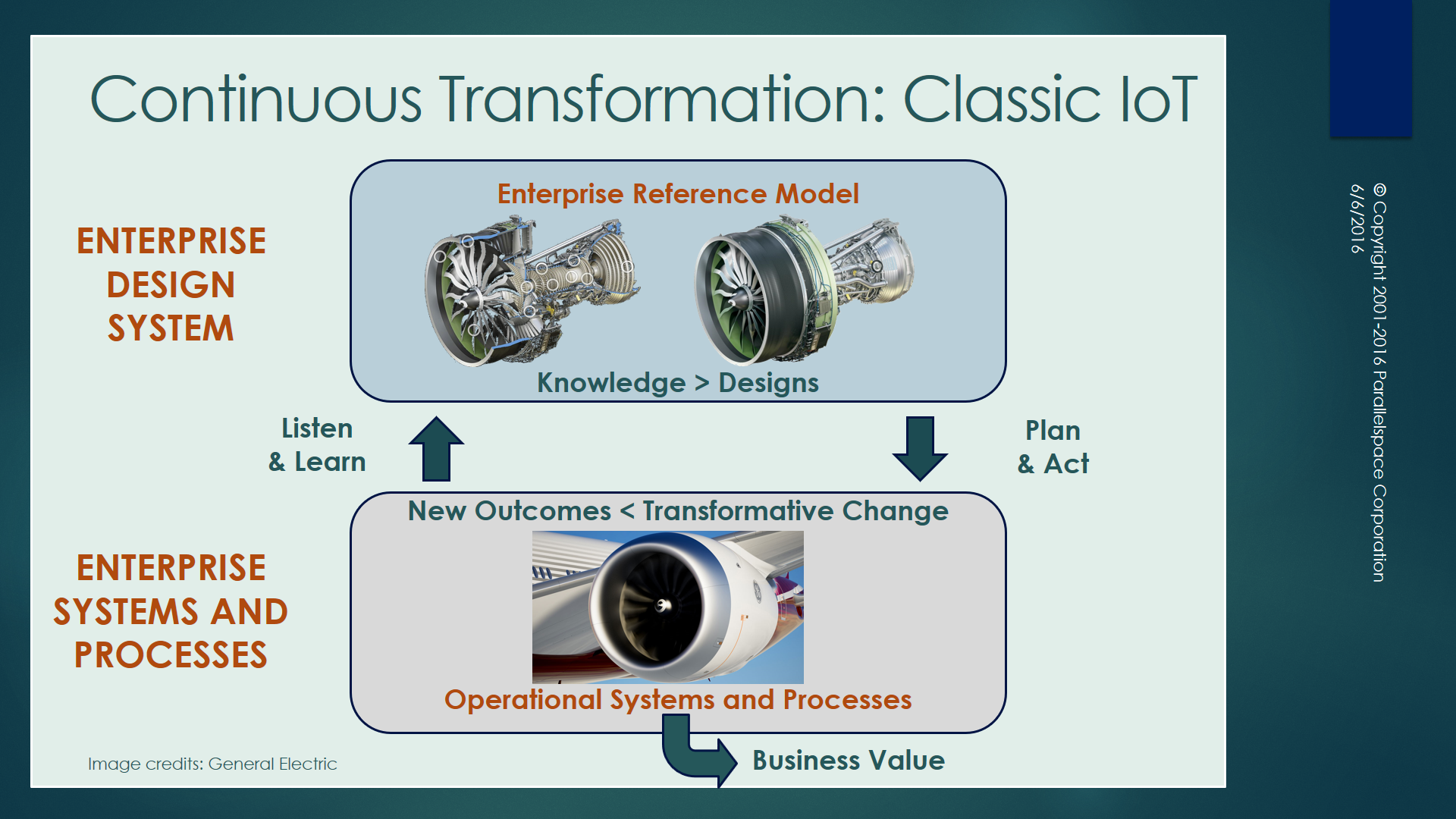
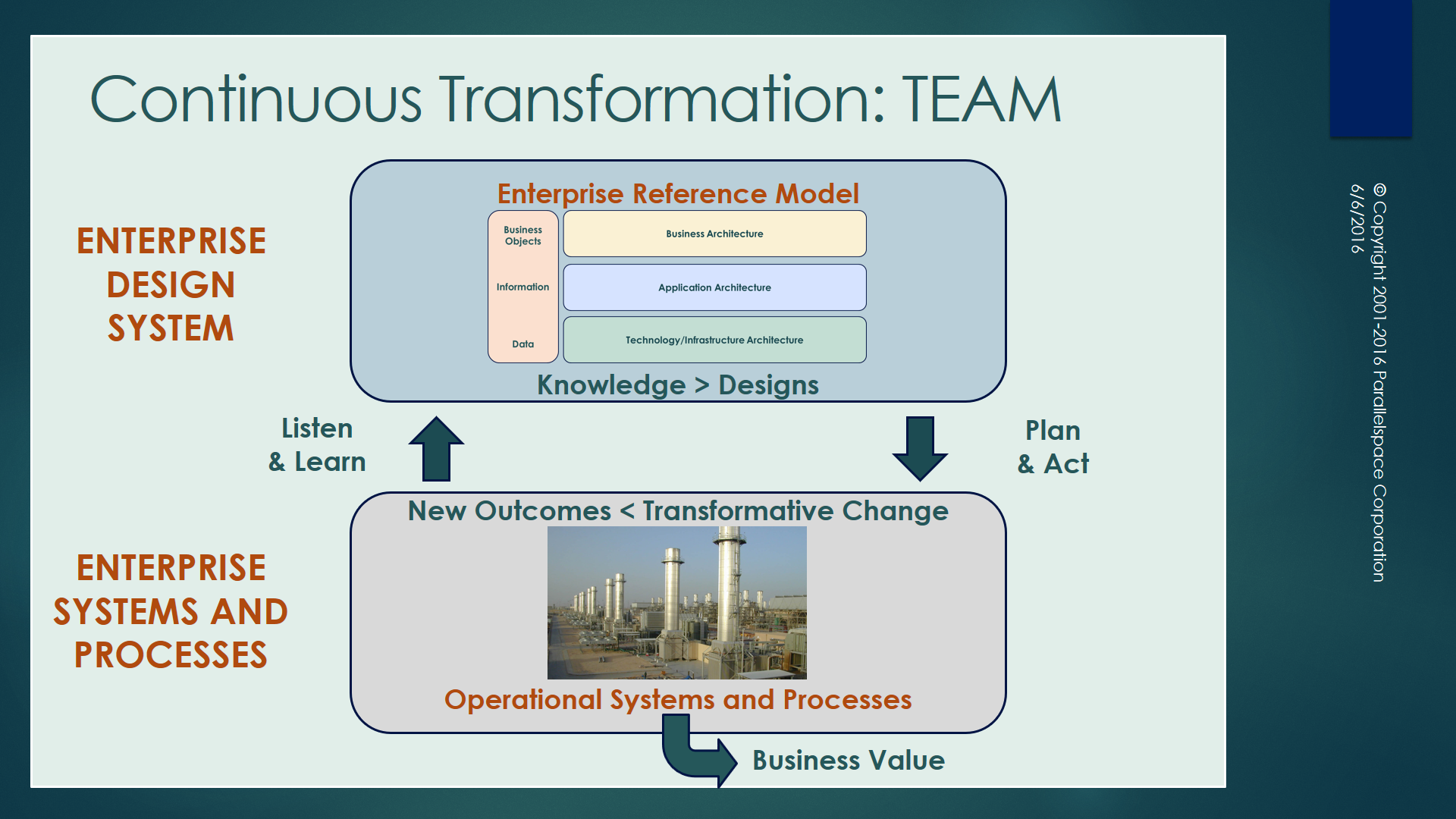
Continuous Transformation is a key principle of the Progressive Enterprise Architecture Model (PEAM); part of the practice of Total Enterprise Architecture Management (TEAM).
Best regards,
Michael Herman (Toronto)
Parallelspace Corporation
Parallelspace Mentoring and Remediation Services for Microsoft Azure IoT Suite is a coaching and consulting service targeted at Microsoft customers and partners who are evaluating or implementing solutions based on the Microsoft Internet of Things (IoT) Suite on top of the Microsoft Azure platform.
For more details, contact:
Michael Herman
Principal Architect
Parallelspace Corporation
mwherman@parallelspace.net
(416) 524-7702
Filed under Uncategorized
Parallelspace TEAM™ (Total Enterprise Architecture Management) is an automated enterprise solution for creating and maintaining enterprise architecture models of large, medium and small organizations. Parallelspace TEAM supports the Parallelspace Continuous Transformation framework to enable the direct connection between your enterprise reference models and line-of-business systems and processes. Parallelspace TEAM is a cloud-based solution the leverages Microsoft Azure for event management, communications, storage, analysis, visualization and reporting.
For more details, contact:
Michael Herman
Principal Architect
Parallelspace Corporation
mwherman@parallelspace.net
(416) 524-7702
Filed under Uncategorized
[Scroll down to see an experimental version of the PowerPoint template for modeling Conceptual, Logical and Physical architectures using ArchiMate symbols.]
Click here to open or download a copy of my Parallelspace PowerPoint Template for ArchiMate 2.1 version 1.1 (file version 1-0-12). For Microsoft Office, there are Visio templates for ArchiMate but I’m not aware of there being any PowerPoint templates. See below for an example.
Please post your feedback in the comments …good or otherwise. Please let me know what you think and, more importantly, how are these helping you and what you would like to see next?
Enjoy.
Here’s a simple PPT use case/example:
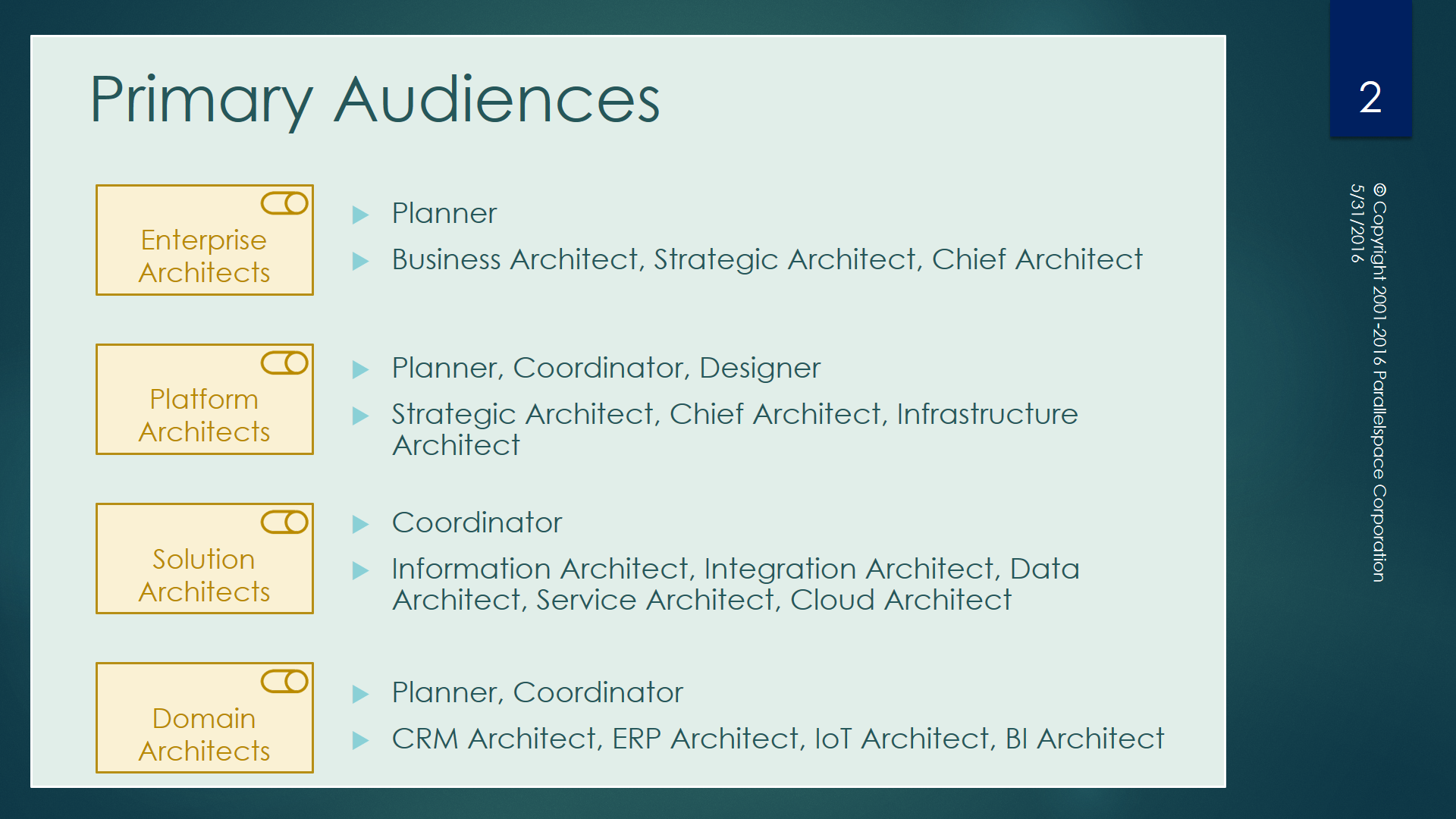
Click here to open or download a copy of an experimental version of my Parallelspace PowerPoint Template for ArchiMate 2.1 version 2.0 (file version 1-0-14) containing experimental conceptual, logical and physical renderings of the ArchiMate Business Architecture, Application Architecture and Physical Architecture concepts.
Best regards,
Michael Herman (Toronto)
*ArchiMate is a registered trademark of The Open Group.
Filed under ArchiMate, Enterprise Architecture, The Open Group
[Updated: April 23, 2017]
Enterprise architecture and other tools and methods don’t generate business value – plain and simple; at least, not direct business value. This applies to many categories of enterprise software including but not limited to:
It’s true. You don’t have to think about. You disagree? …or otherwise, want proof? Read on…
Read on…
At best, these tools and methods can enable or aid in the creation of increased business value. This is actually pretty simple (in hindsight).
Real business value is only realized when an organization’s operational strategies, systems, assets, and processes experience measurable, positive Transformative Change – whether enabled by the use of a particular tool or method; or not.
Here’s the diagram… (click on any of these figures to enlarge them)

Figure 1. Enterprise Architecture Management
Here is some additional information on the ModelMate Continuous Transformation Framework as well as where and how business value is created.

Figure 2a. Continuous Transformation Framework
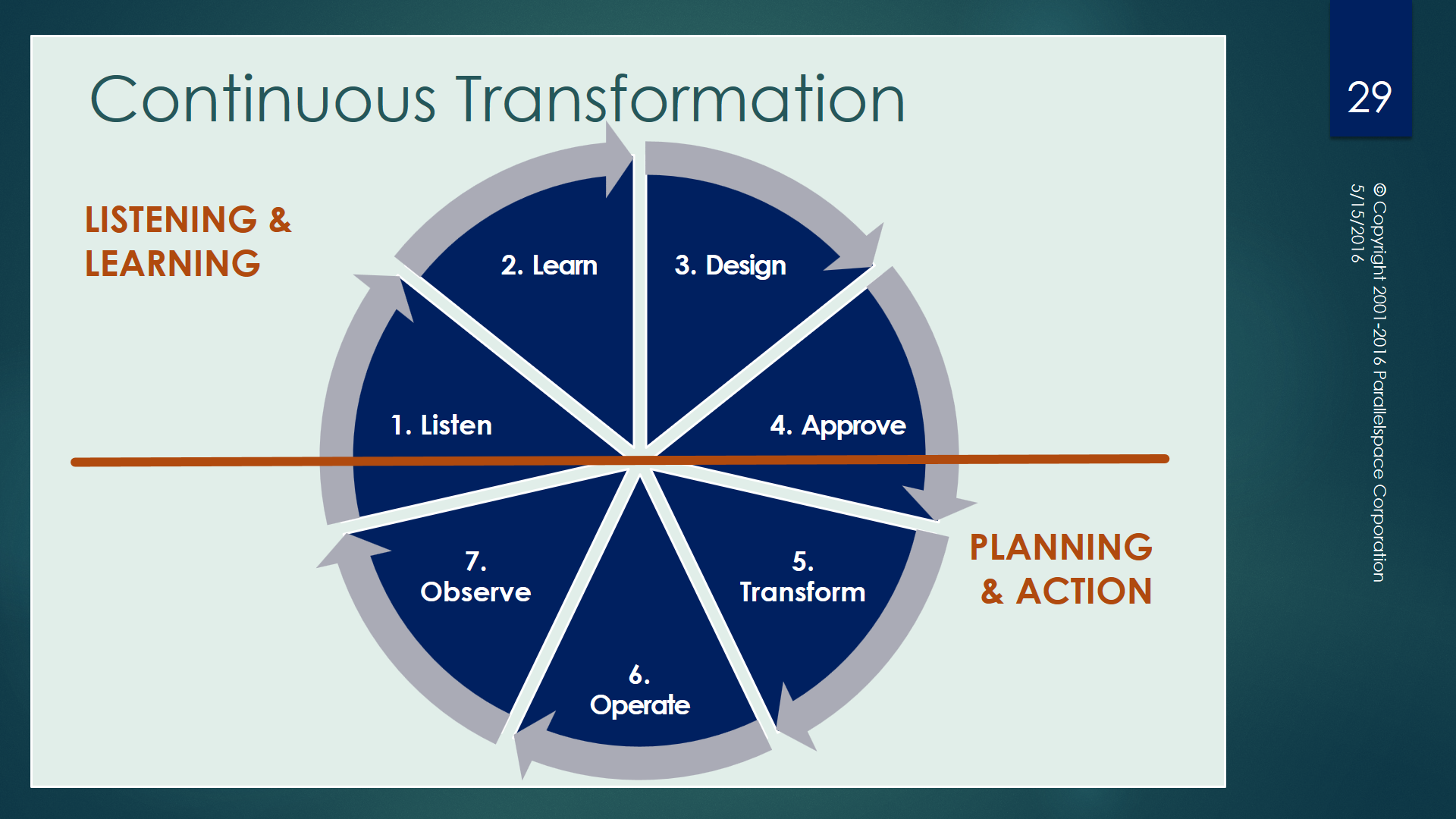
Figure 2b. Continuous Transformation Framework

Figure 2c. Continuous Transformation Framework
Here’s a more recent elaboration on the Continuous Transformation Framework described above.
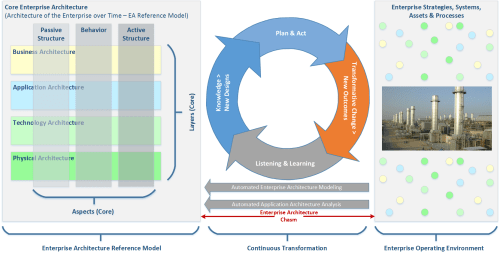
Figure 3. Continuous Transformation Framework (updated)
The articles below go further to identify and define the gap that exists between the enterprise architecture reference model for the organization and the organization’s operational systems, assets and processes as the Enterprise Architecture Chasm. (Similarly, there is a gap between the strategy and reality is called the Strategy Chasm).
Related Articles
Best regards,
Michael Herman (Toronto)
mwherman@parallelspace.net
Filed under Business Value, Enterprise Architecture
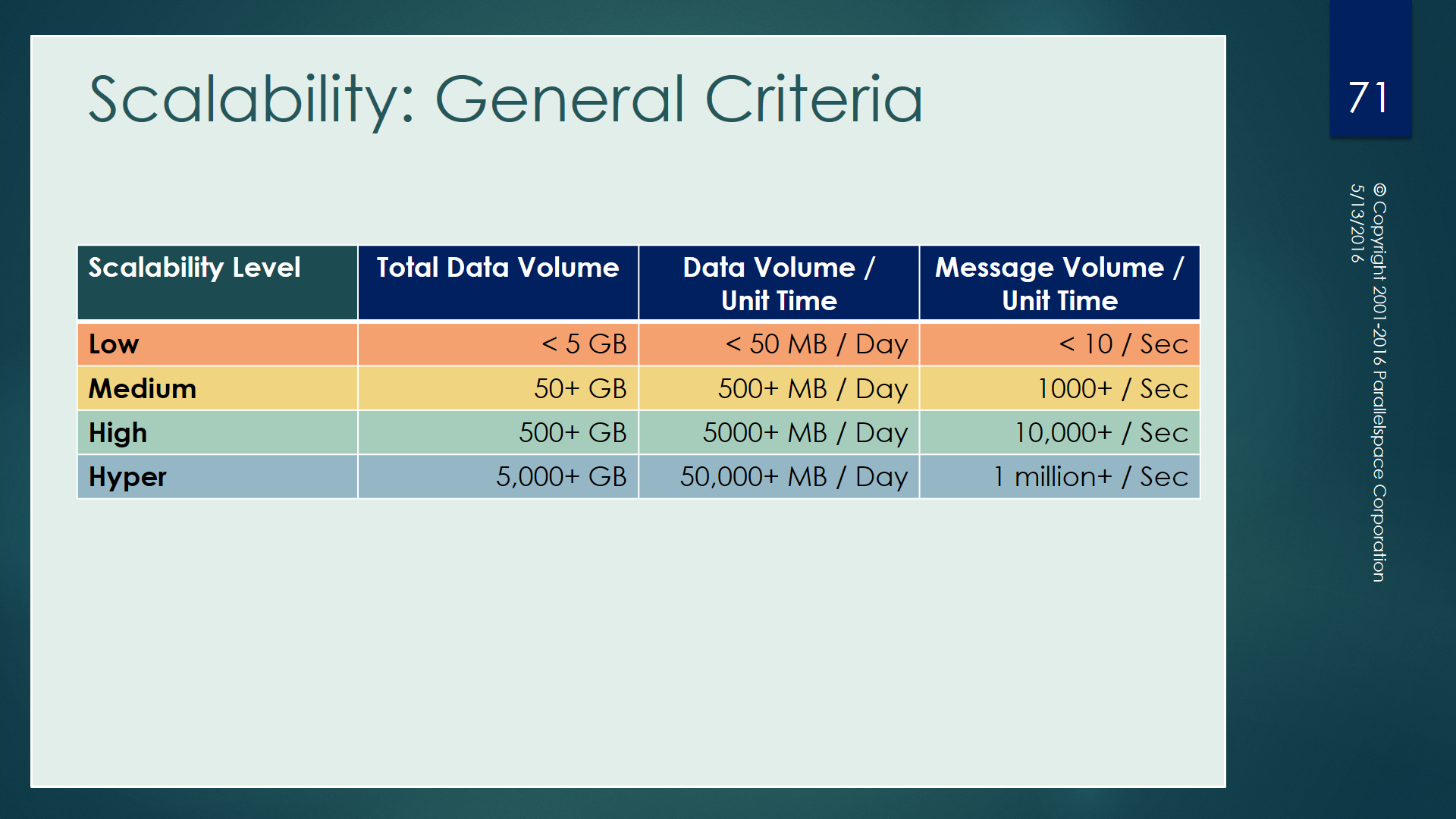
Is anyone aware of an industry or Microsoft definition for Hyperscalability? …for example, from an Internet of Things (IoT) perspective?
How about something like this?

Best regards,
Michael Herman (Toronto)
Parallelspace Corporation
mwherman@parallelspace.net
Copyright (c) 2016-2025 Michael Herman (Alberta, Canada) – Creative Commons Attribution-ShareAlike 4.0 International Public License
https://creativecommons.org/licenses/by-sa/4.0/legalcode
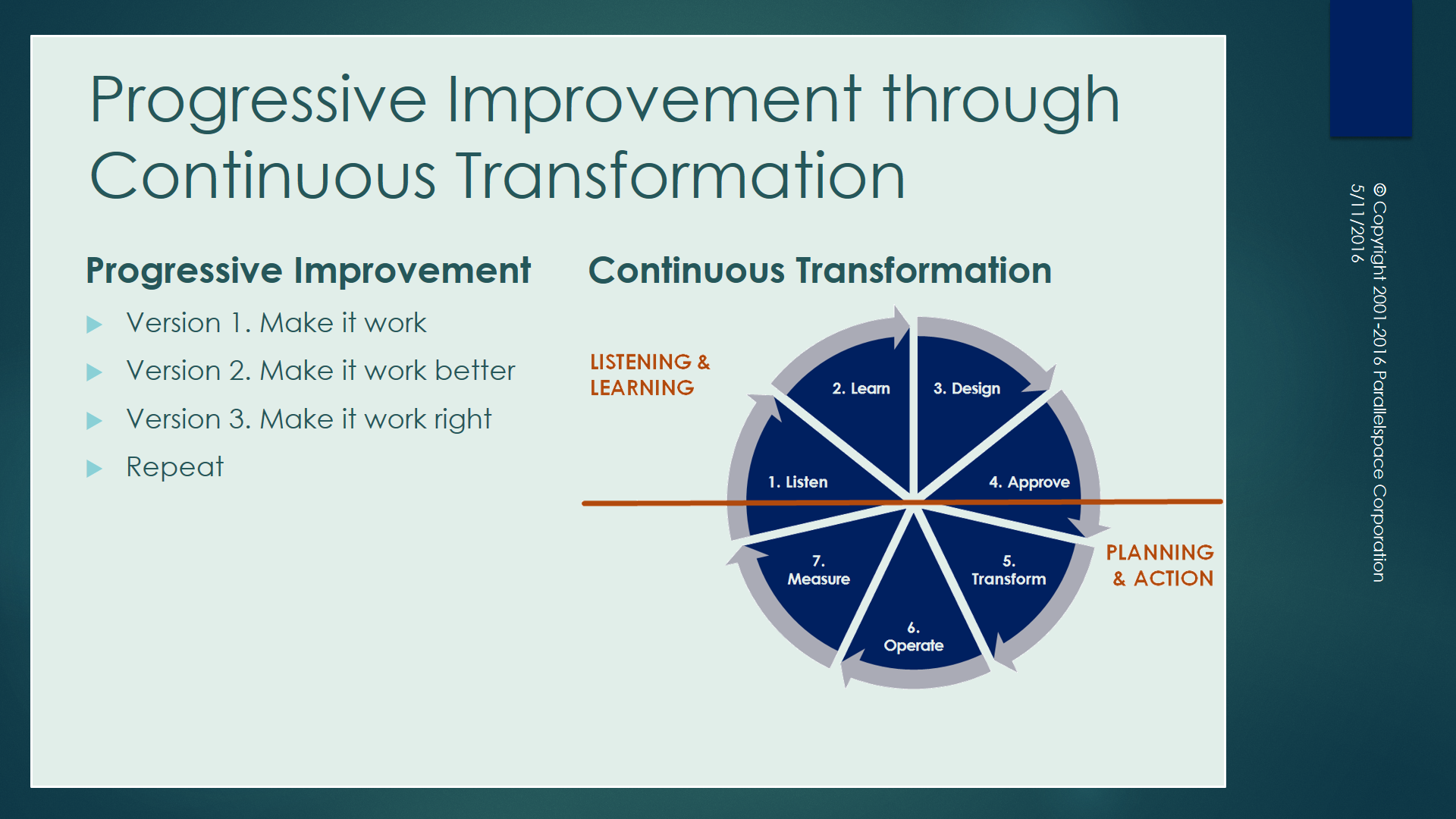
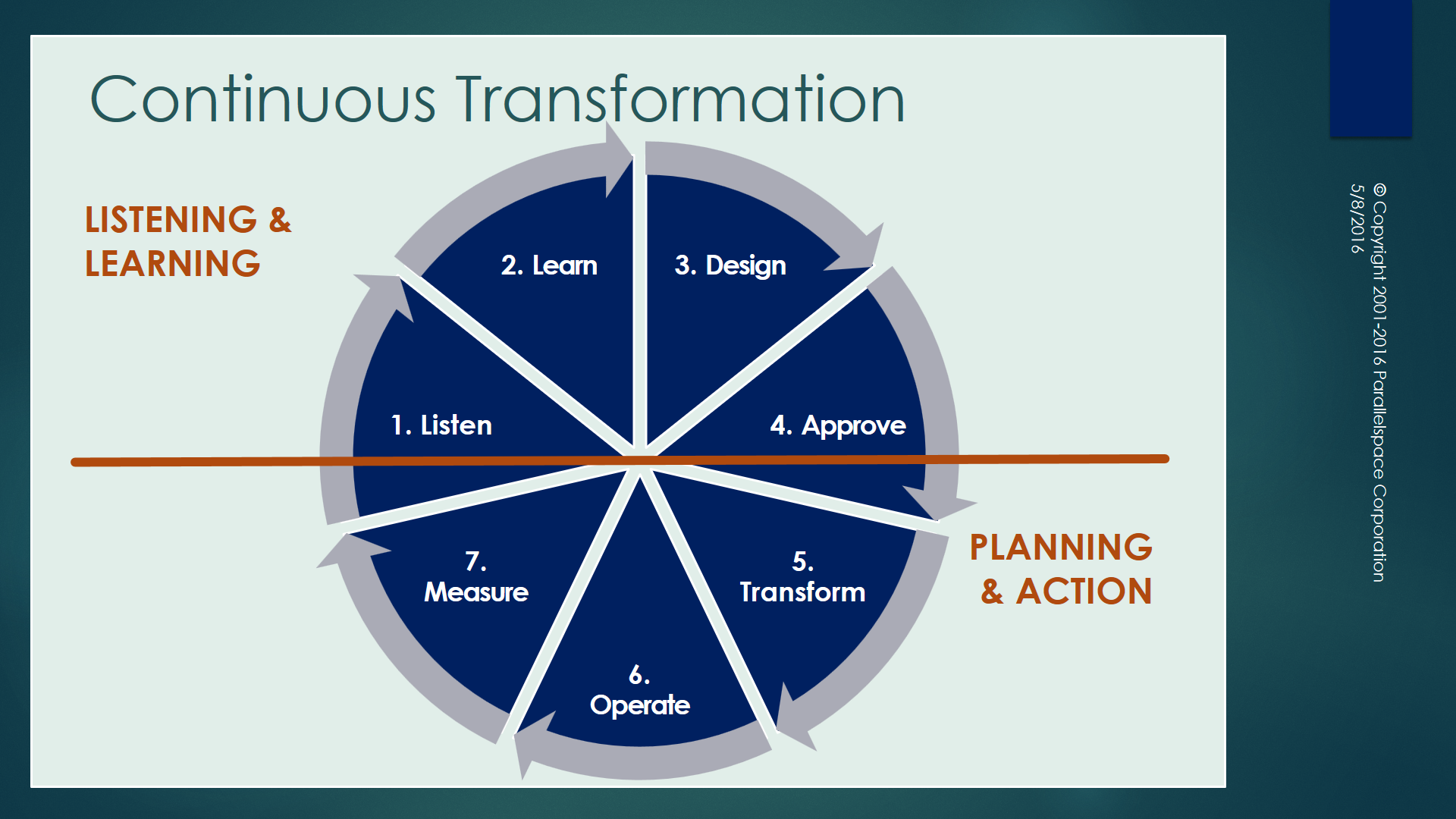
How do we think about how we work? We rely on a few simple processes. Here is a list:
Many thanks go to Alison Williams for helping me to clarify the Continuous Transformation Process (CTP).



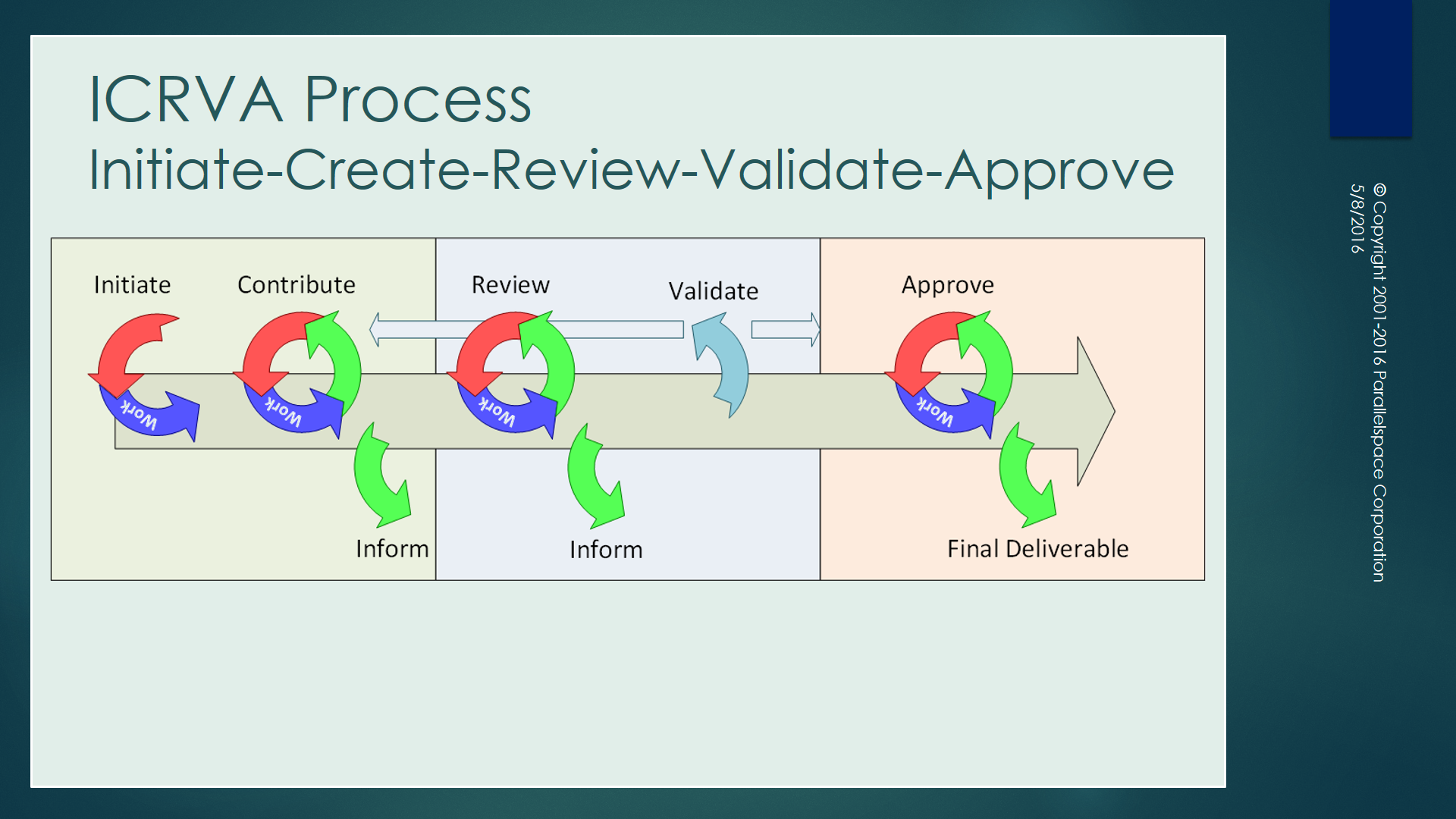
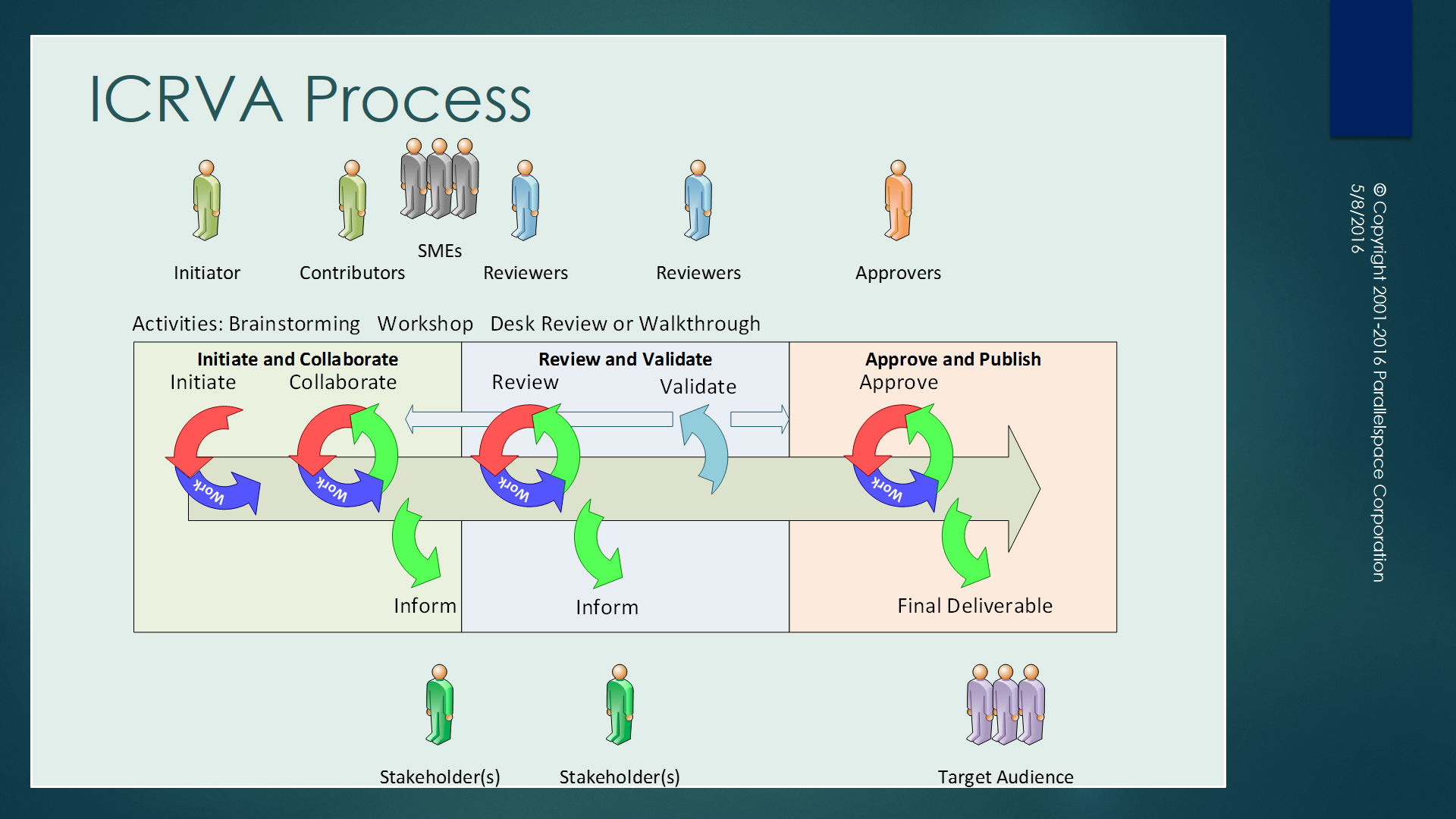
The roles in the ICRVA process are based on the RACI matrix of responsibilities.
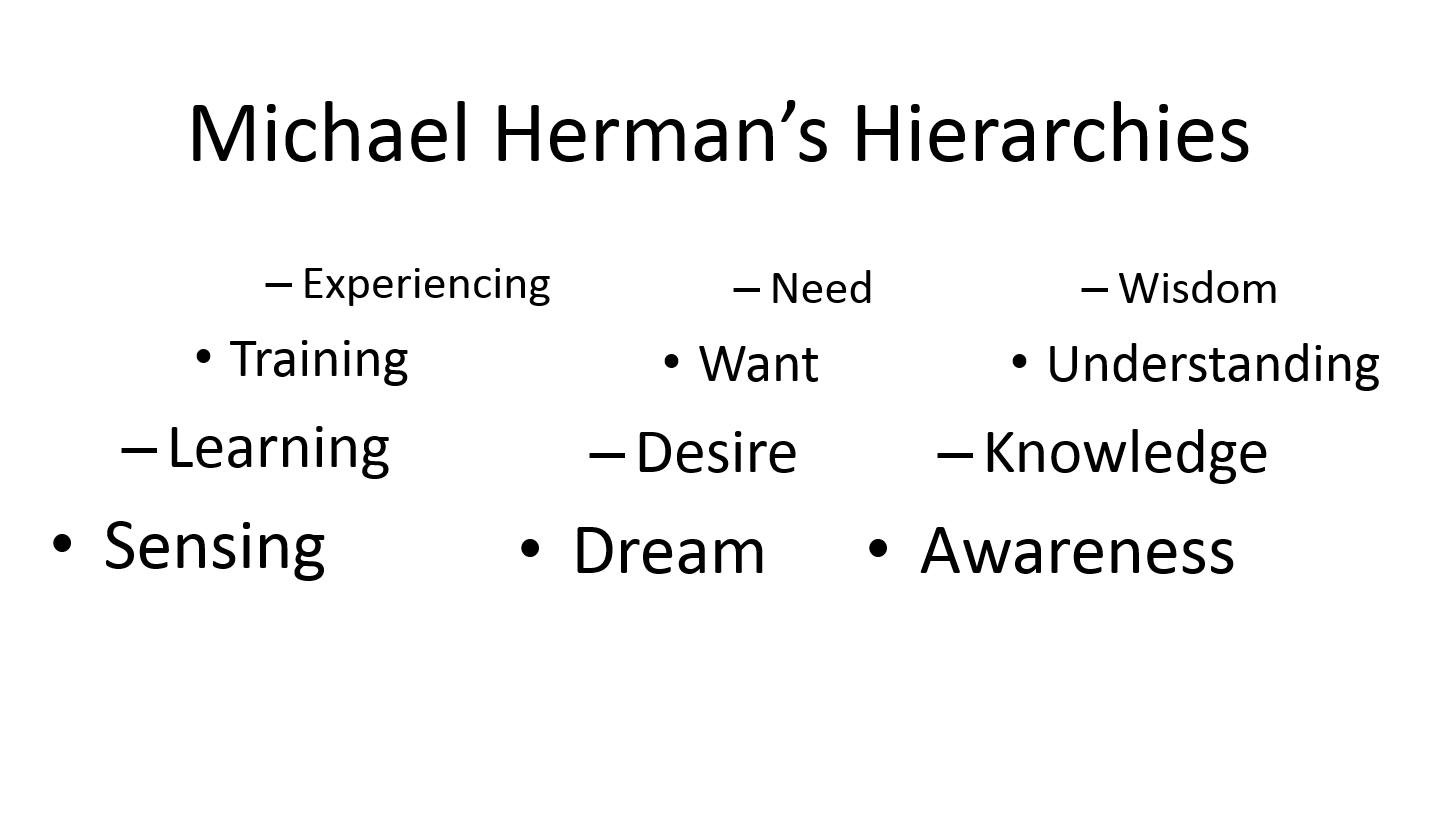
– when writing a whitepaper or creating a new presentation. What is the aim of your deliverable?
By wisdom a house is built, and by understanding it is established; by knowledge the rooms are filled with all precious and pleasant riches. A wise man is full of strength, and a man of knowledge enhances his might, for by wise guidance you can wage your war, and in abundance of counselors there is victory. Wisdom is too high for a fool; in the gate he does not open his mouth. (Proverbs 24:3-7)
The intended audience for this tutorial about Structured Credentials is a broad range of professionals interested in furthering the application of Verifiable Credentials technology for use in software apps, agents, and services. The primary audience includes software architects, application developers, and user experience (UX) specialists; as well as people involved in a broad range of standards efforts related to decentralized identity, verifiable credentials, and secure storage.
Best regards,
Michael Herman (Toronto)
Parallelspace Corporation
mwherman@parallelspace.net
I finally found the documentation for the Microsoft Cortana Suite (aka Vehicle Telemetry Analytics Solution). You can find it here: https://azure.microsoft.com/en-us/documentation/articles/cortana-analytics-playbook-vehicle-telemetry-deep-dive/
In addition, Matthew Roche had an excellent presentation at the MS Build 2016 Conference on the same topic/solution: Cortana Analytics Suite and Information Management
Michael Herman (Toronto)
Filed under Cortana, IoT, Microsoft Azure
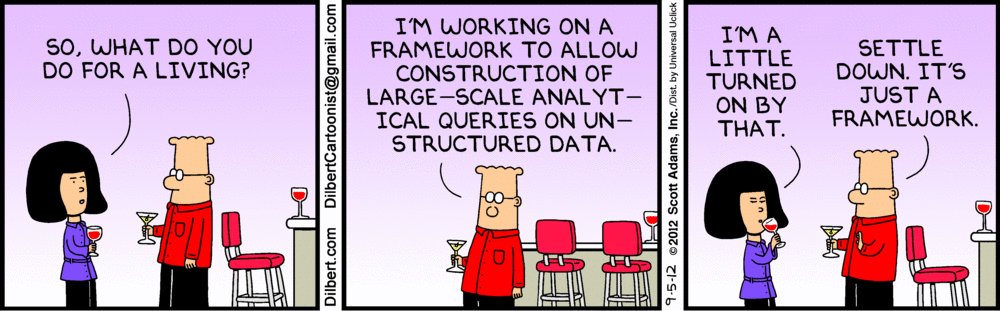
Rather than pollute my blog with several FYHumor IoT postings, I’ll gather them here into this single article (reverse chronological order). Some of these listing might be a bit on the “colorful” side …even judged in poor taste by some. Others might judged to not even be funny. Caveat Emptor
4. This was tweeted yesterday…
3. Just took the socks out of the dryer: Does anyone know of an Event/IoT Hub and Machine Learning module that will sort and fold socks?
2. “If you don’t have a real office, does that make you an Internet Thing?” Michael Herman, April 2016.
Have a great day wherever you are and to whatever you’re connect to.
{ ID: “me”, cornerof: “University and Adelaide” }
1. External IoT gone too far …

 Web 7.0 DIDLibOS™ / TDW AgenticOS™ / Hyperonomy™ Digital Identity Lab