Category Archives: Architecture Reference Models

Crossing the Chasm: Progressive​ Enterprise Architecture Model (PEAM)

[Updated October 5, 2016]

Inspired by Gerben Wierda’s thoughtful discussion about how the full framework is depicted in the new ArchiMate* 3.0 specification (An AchiMate 3 Map (Layers? What Layers! — 1)), I’m going to suggest there’s another level of improvement that can be made to the specification’s “peanut butter and jelly sandwich” diagram. [Please excuse the visual metaphor but that’s what it looks like – with PB&J leaking out on all sides.]
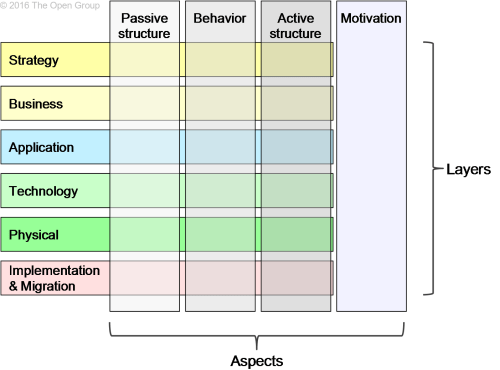
image004

Figure 1. ArchiMate 3 Layers and Aspects

In his posting, Gerben suggests a succession of improvements (depicted below).

This slideshow requires JavaScript.

Figure 2. Gerben Wierda’s Suggested Improvements

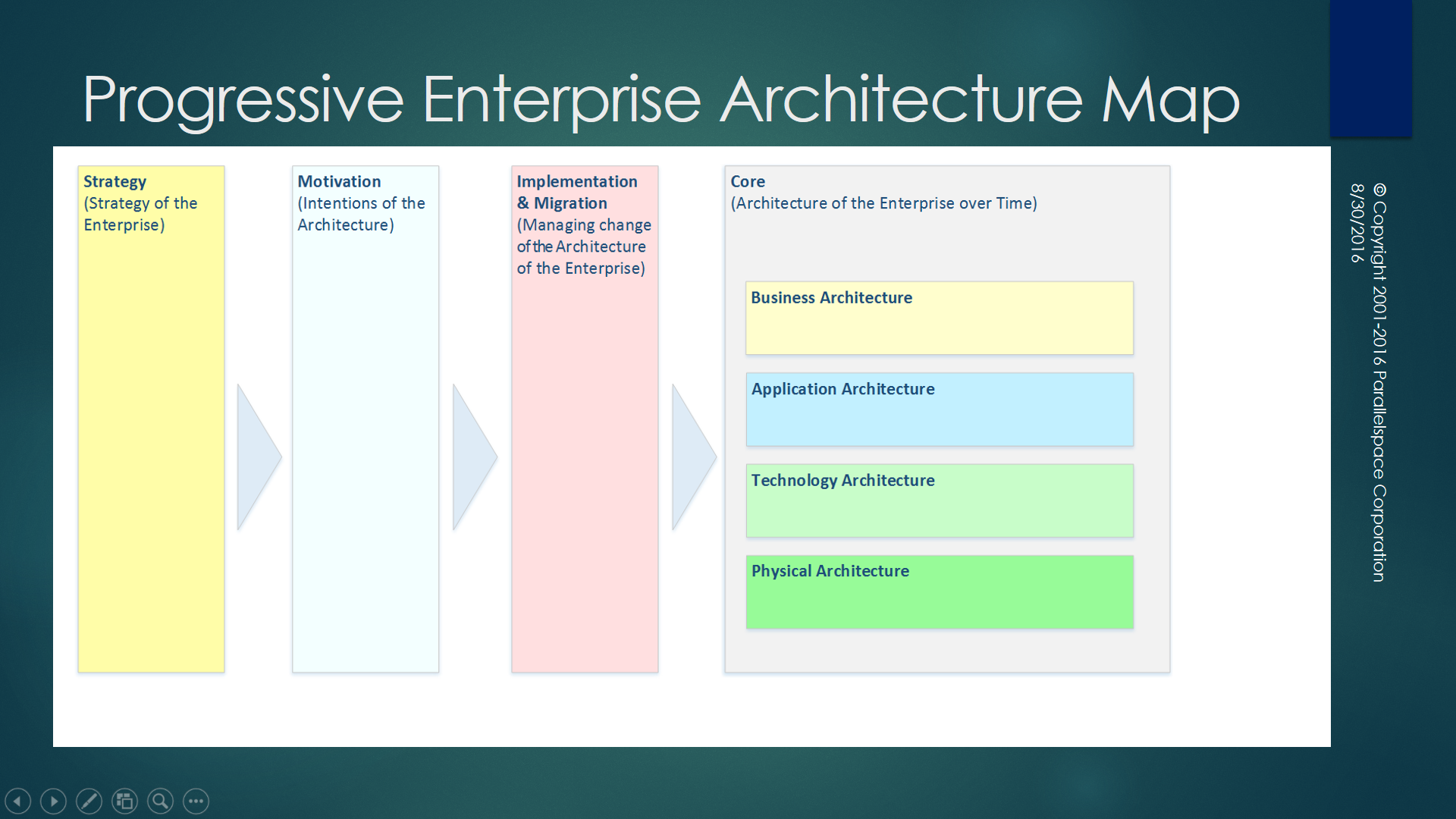
But they still left my question unanswered: Why were Strategy, Motivation, Implementation & Migration left as disconnected layers on opposite sides of the enterprise architecture map? [I don’t accept Motivation being classed as an Aspect but that’s a topic for another article.]

What happened to the architectural principles of simplicity and elegance?

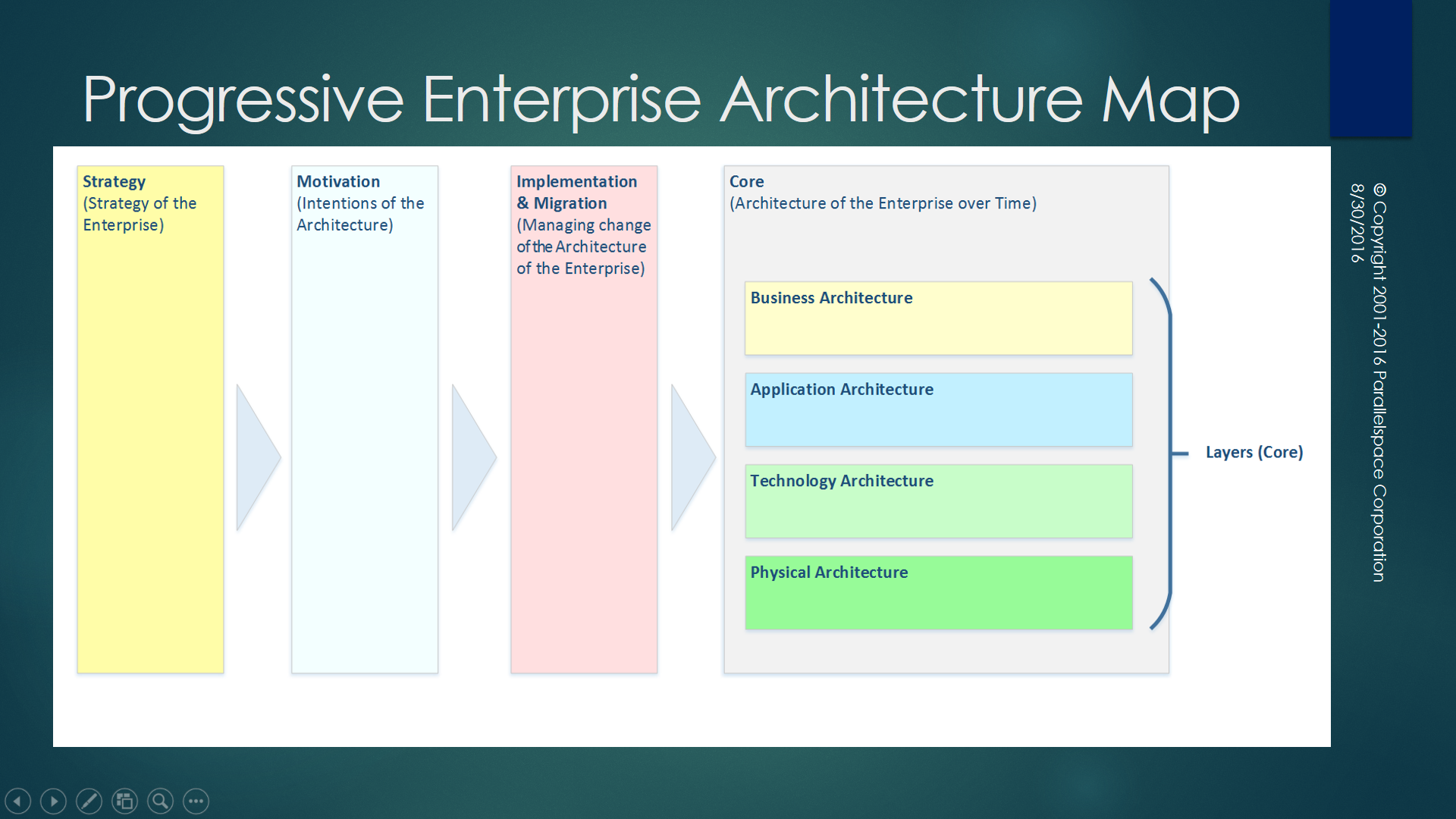
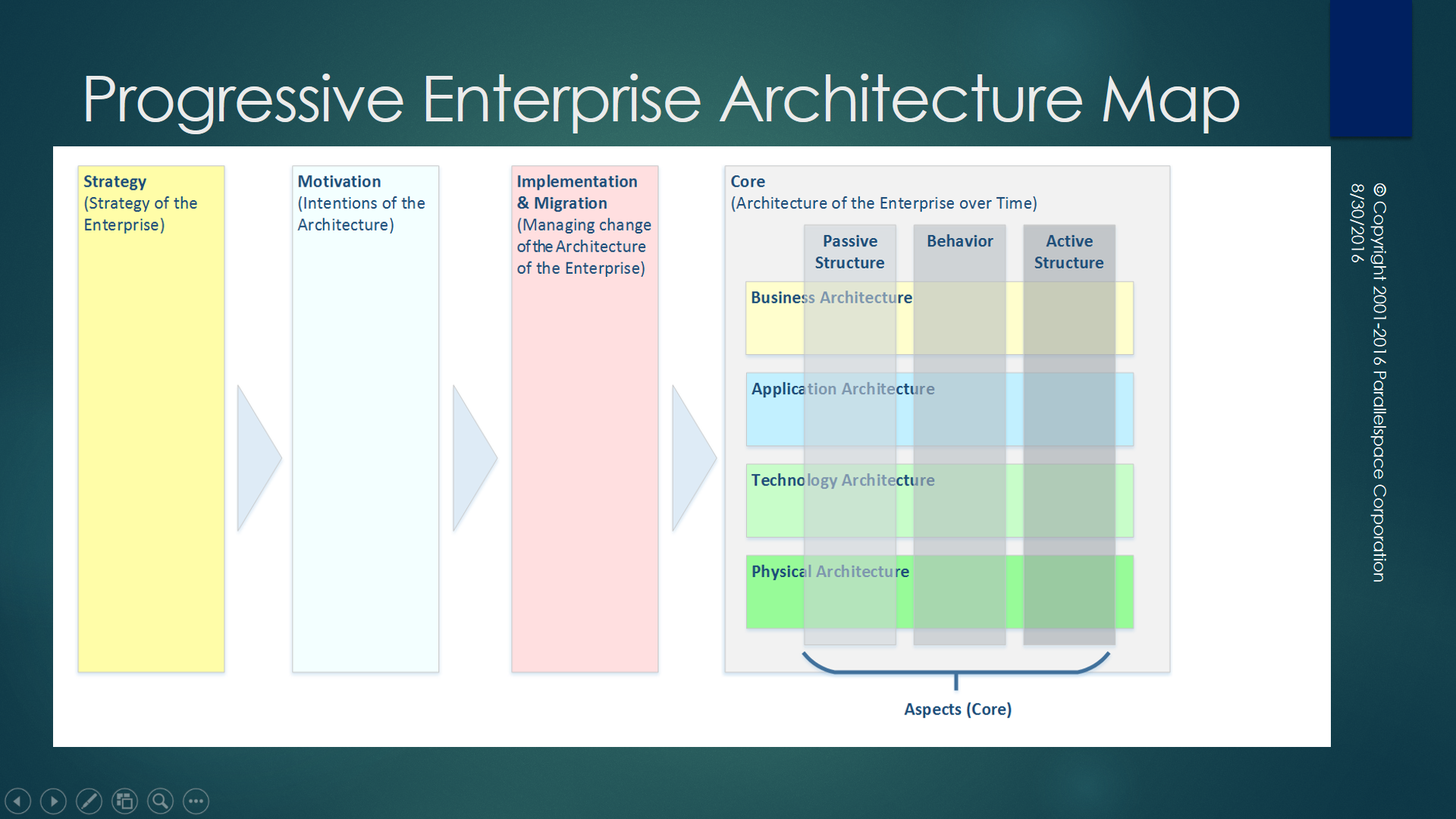
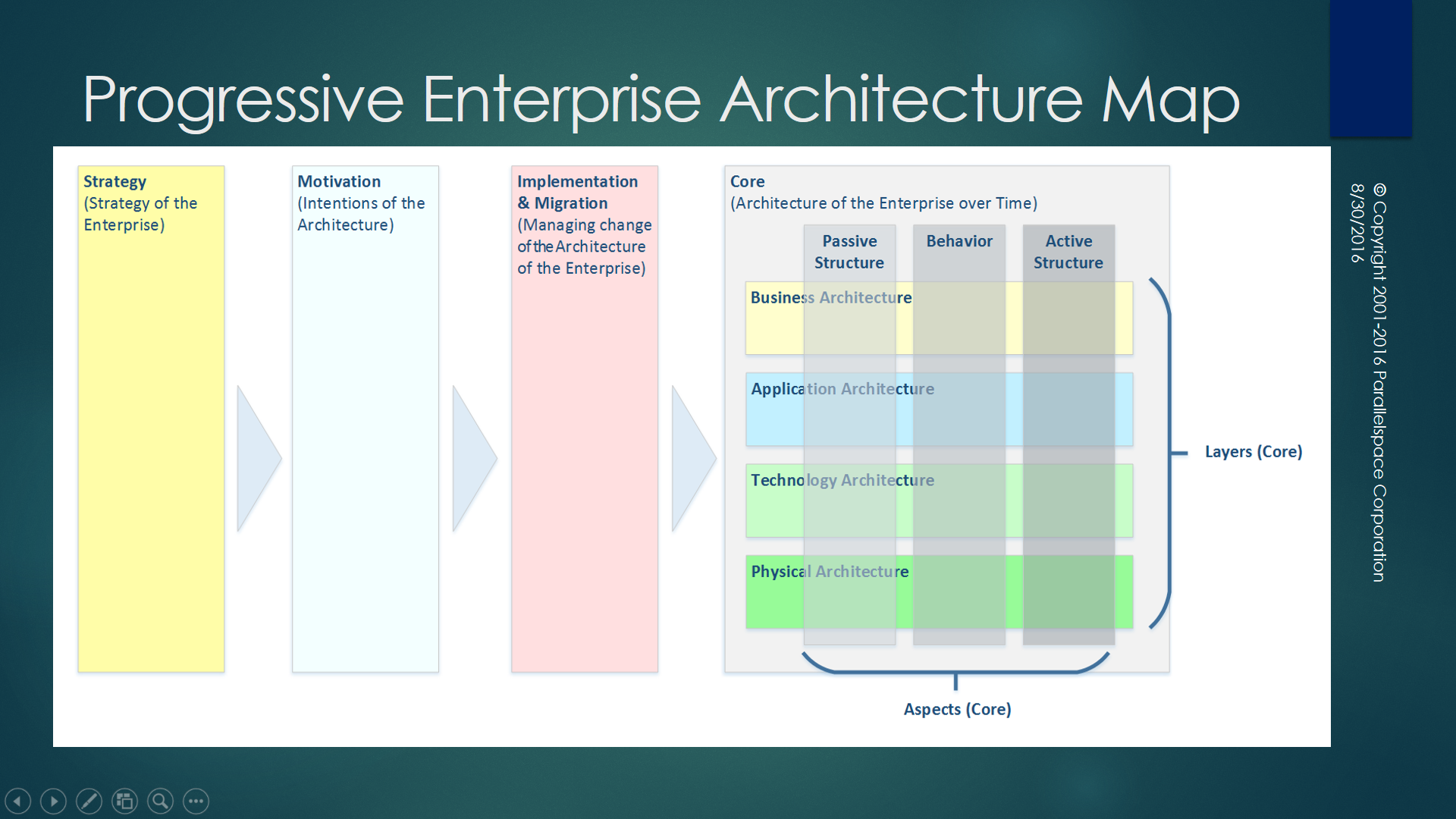
Aren’t the following series of enterprise architecture maps more informative and more understandable?  …more pragmatically useful?  I refer to the version below as the Progressive Enterprise Architecture Map.
Progressive EA Model 1-0-2-Base-Slide

Progressive EA Model 1-0-2-Layers-Slide

Progressive EA Model 1-0-2-Aspects-Slide

Progressive EA Model 1-0-2-Both-Slide

Figure 3. Progressive Enterprise Architecture Model: Progressive Enterprise Architecture Map

Check them out for yourself and please add your feedback in the Comments section below. Click on any diagram to see a larger version.

Best regards,
Michael Herman (Toronto)

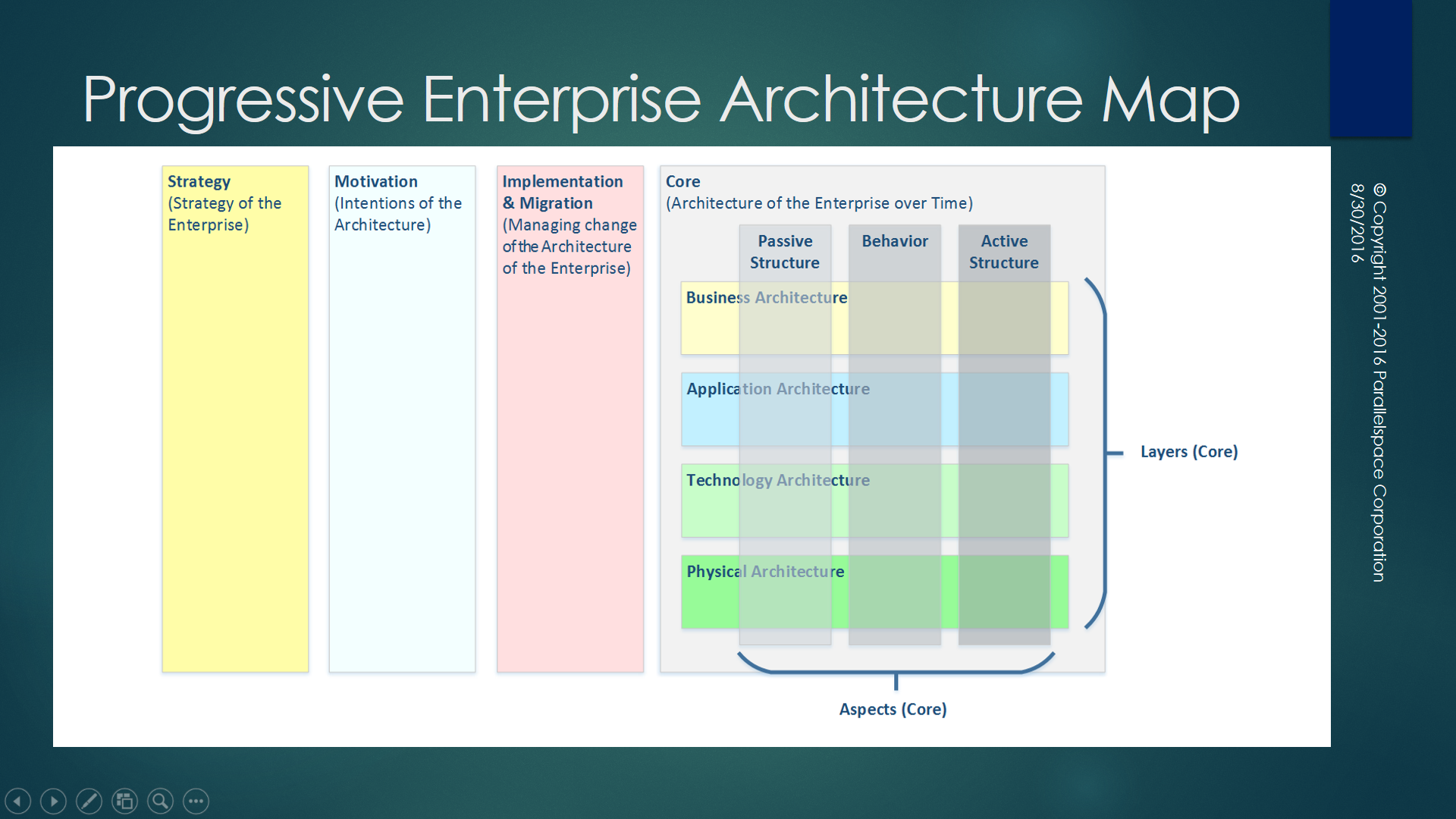
p.s. If the arrows make the enterprise architecture map too prescriptive from a pure ArchiMate specification perspective, what do you think of this version?
Progressive EA Model 1-0-3-NoArrows-Slide

p.p.s. In October 2016, in the article Crossing the Enterprise Architecture Chasm, I extended PEAMs to include:

  • Continuous Transformations
  • Strategy Chasm
  • Enterprise Architecture Chasm

Here’s an example (click to enlarge):

progressive-ea-model-1-0-6-peam3-chasms

*ArchiMate is a registered trademark of The Open Group.

6 Comments

Filed under ArchiMate, Architecture Reference Models, Automated Application Architecture Analysis, Crossing the EA Charm, Enterprise Architecture, Progressive Enterprise Architecture Map (PEAM), The Open Group

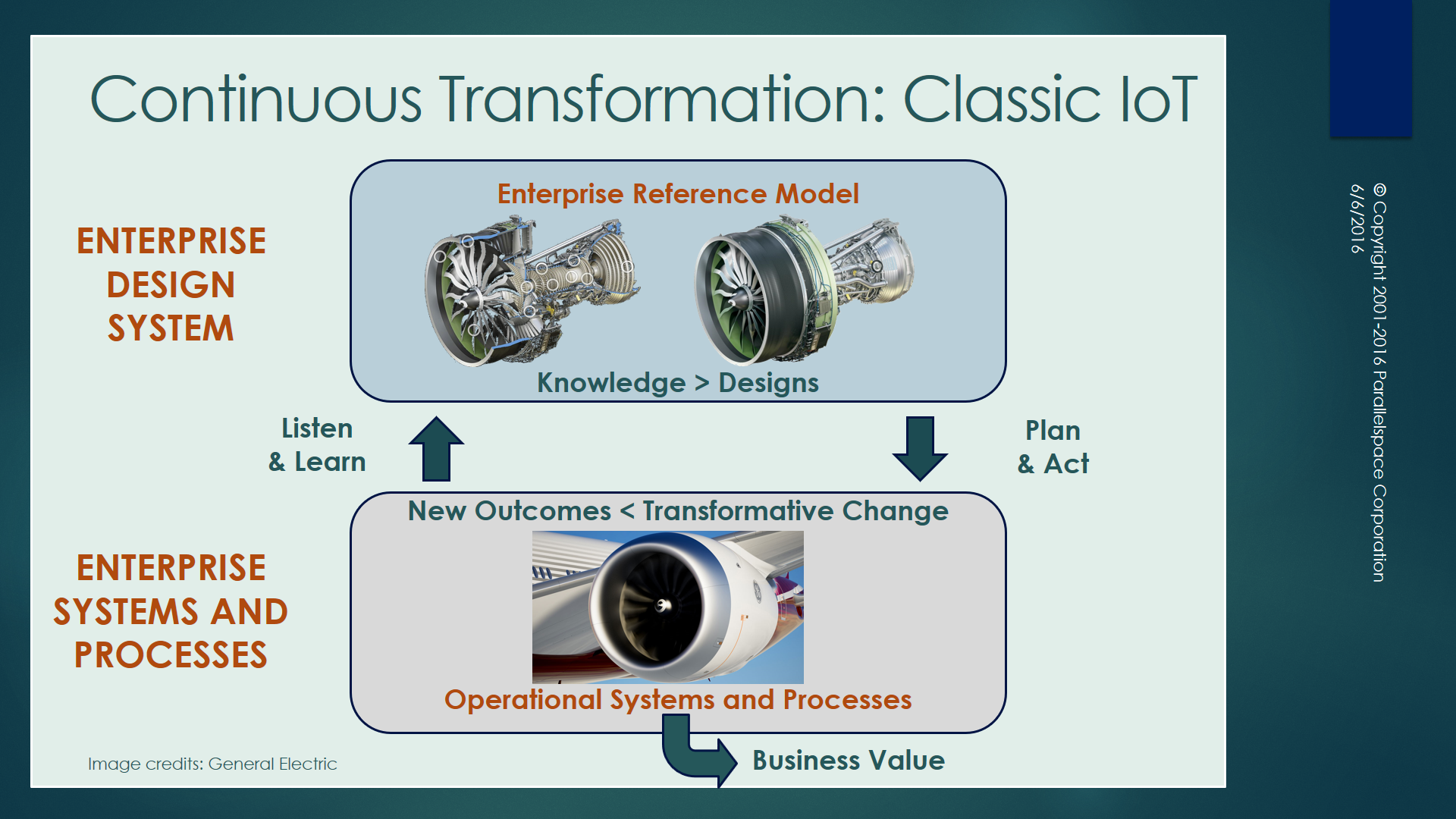
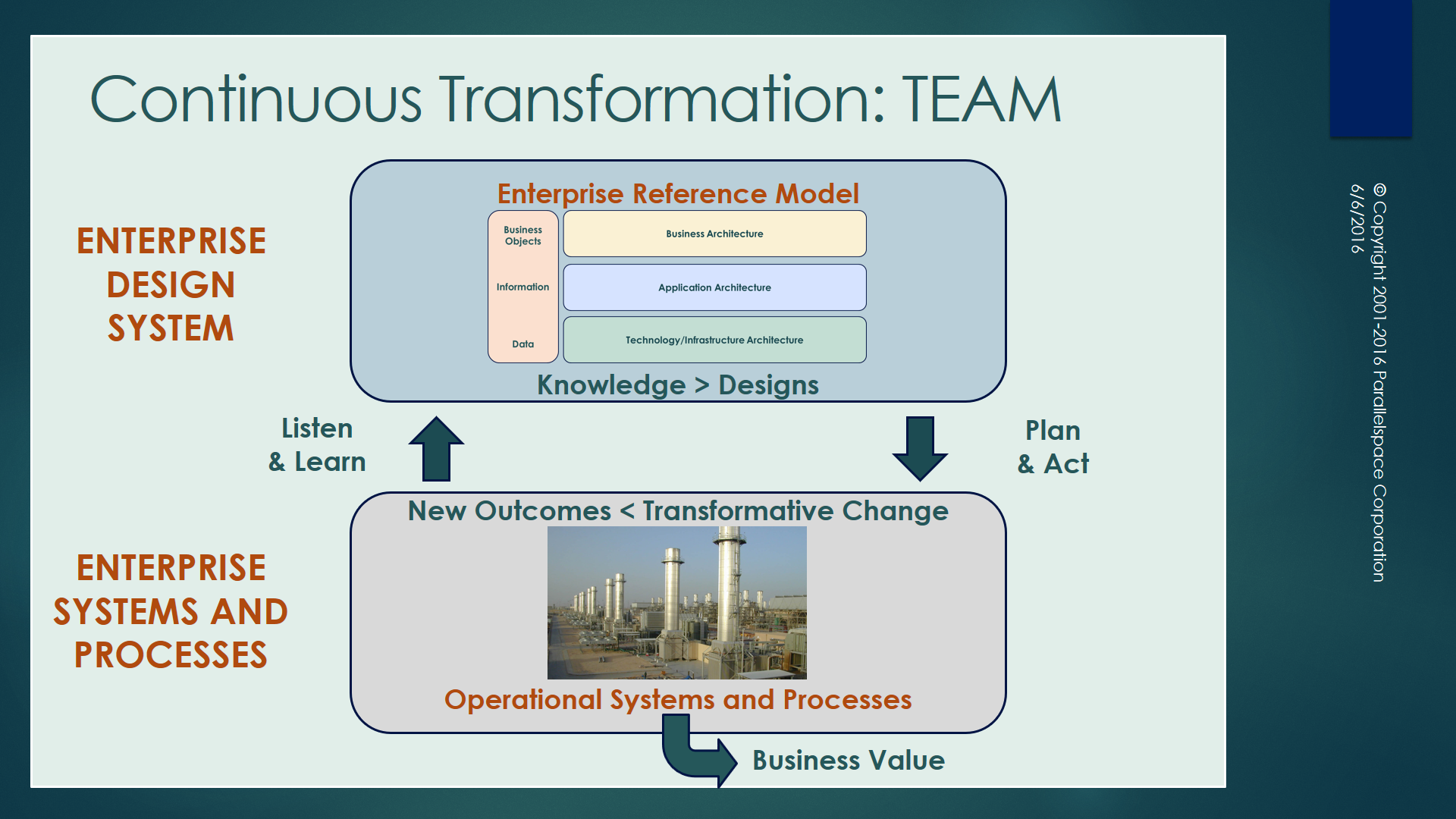
What’s the difference between improving the design and operation of an aircraft engine vs. an enterprise?

Answer: Nothing

Continuous Transformation 2

Continuous Transformation 1.png

Continuous Transformation is a key principle of the Progressive Enterprise Architecture Model (PEAM); part of the practice of Total Enterprise Architecture Management (TEAM).

Best regards,
Michael Herman (Toronto)
Parallelspace Corporation

mwherman@parallelspace.net

1 Comment

Filed under Architecture Reference Models, Business Value, Crossing the EA Charm, Enterprise Architecture, Enterprise Architecture Chasm, Progressive Enterprise Architecture Map (PEAM), The Open Group

How We Think About How We Work

Copyright (c) 2016-2025 Michael Herman (Alberta, Canada) – Creative Commons Attribution-ShareAlike 4.0 International Public License
https://creativecommons.org/licenses/by-sa/4.0/legalcode

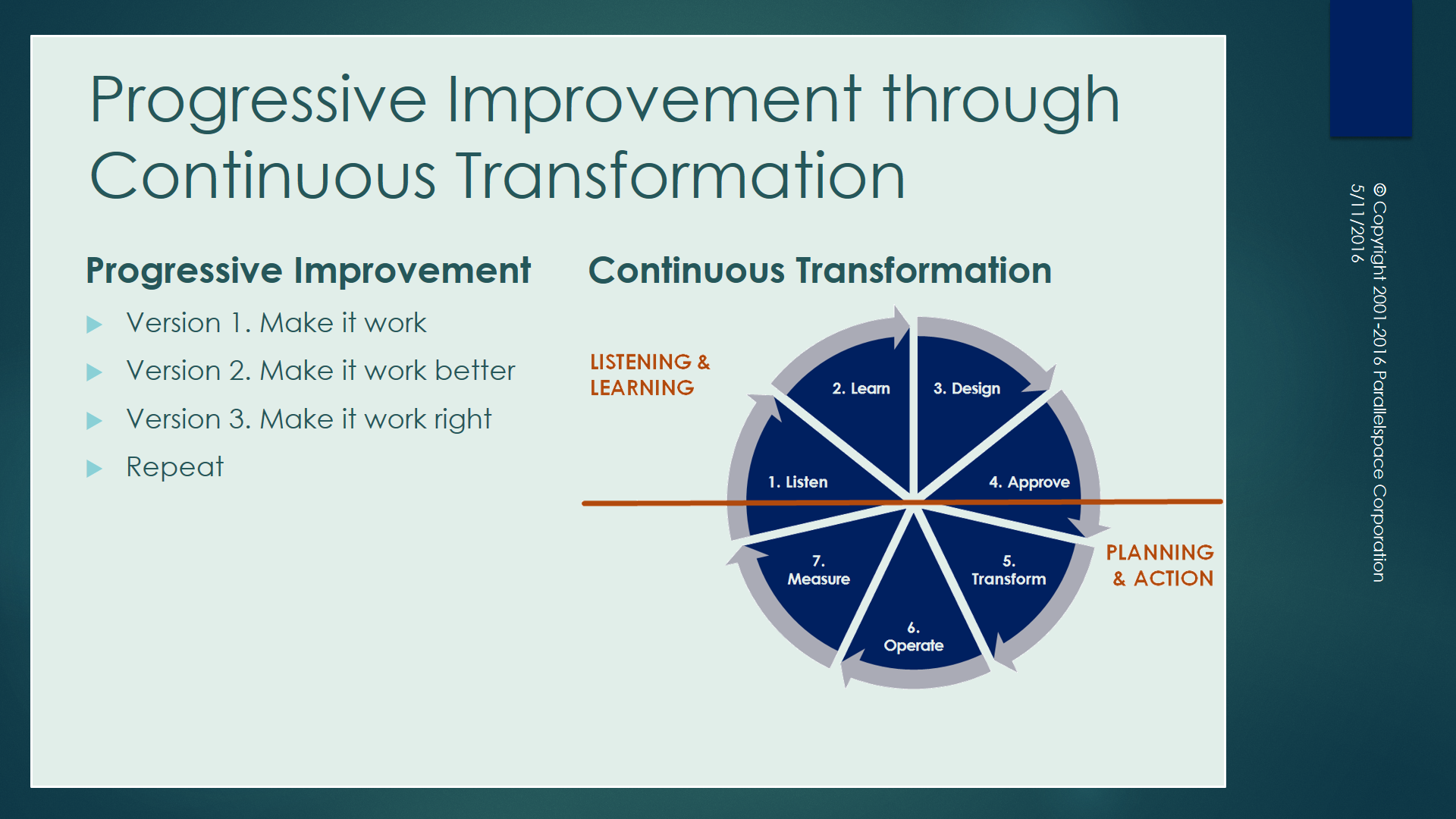
How do we think about how we work? We rely on a few simple processes. Here is a list:

  • Progressive Improvement & Learning Process (PILP)
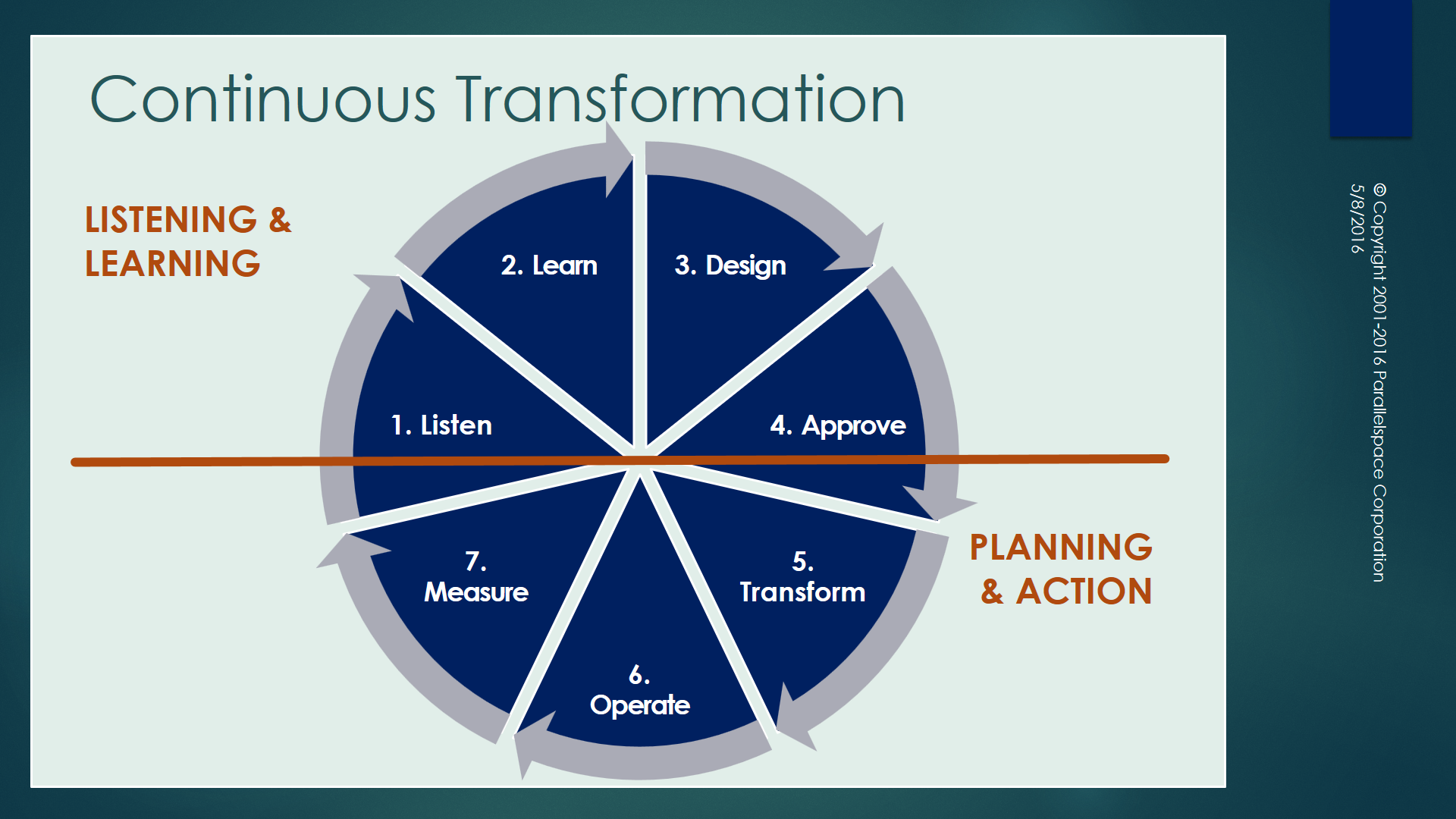
  • Continuous Transformation Process (CTP)
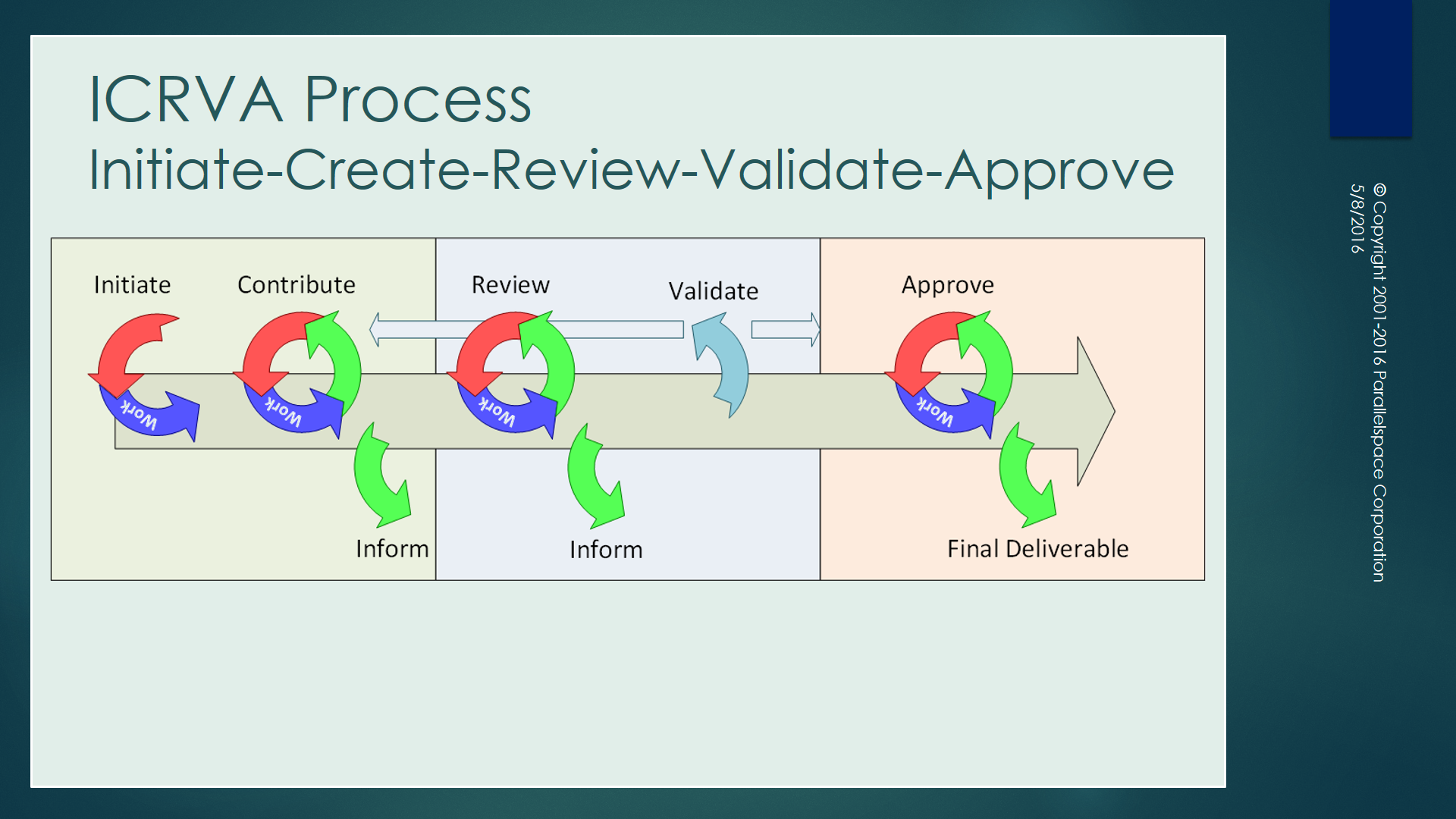
  • Deliverable Review: Initiate, Create, Review, Validate & Approve Process (ICRVA Process – “I crave a” Process)
  • Purpose: Awareness, Knowledge, Understanding, and Wisdom

Many thanks go to Alison Williams for helping me to clarify the Continuous Transformation Process (CTP).

Progressive Improvement through Continuous Transformation (and Learning)

Progressive Improvement thru Continuous Transformation 1-0-1

Progressive Improvement & Learning Process (PILP)

Progressive Improvement A 1-0-1

Progressive Improvement B 1-0-1

Continuous Transformation Process (CTP)

Parallelspace Continuous Transformation 2-0-1

Deliverable Review

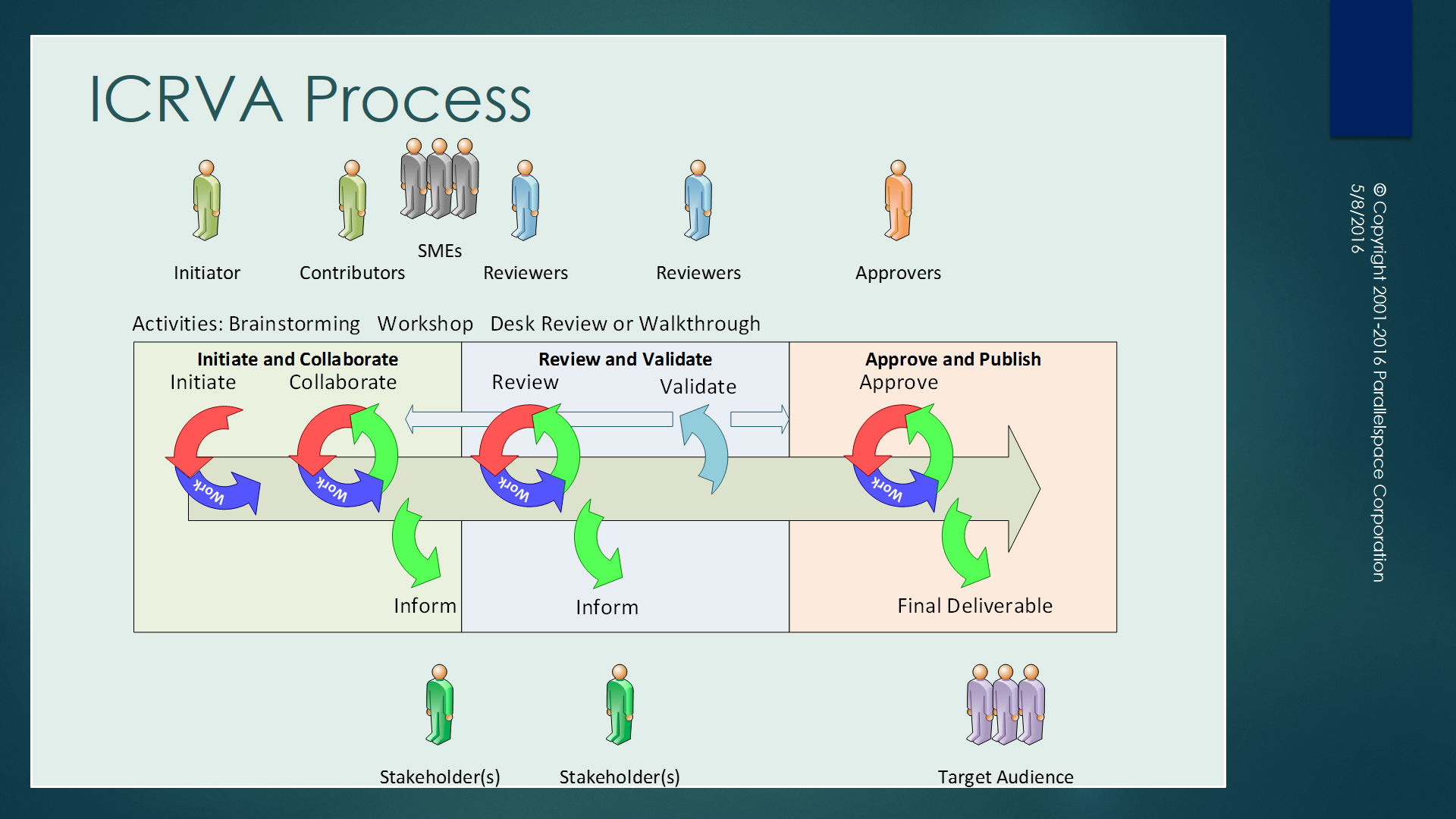
Initiate, Create, Review, Validate & Approve (ICRVA) Process (“I crave a” Process)

Parallelspace ICRVA v12-0-2

Parallelspace ICRVA v12-0-2 Complete

The roles in the ICRVA process are based on the RACI matrix of responsibilities.

Content Purpose

– when writing a whitepaper or creating a new presentation. What is the aim of your deliverable?

  1. Awareness (An Overview of what is being described (Information))
  2. Knowledge (The “What” of what is being described)
  3. Understanding (The “How” of what is being described)
  4. Expertise (Deep, reliably demonstrated ability to understand, perform, and make sound judgments in a specific domain based on knowledge, skill, and experience)
  5. Wisdom (Broader judgment that applies experience, reflection, and values to choose what should be done, not just what can be done)

By wisdom a house is built, and by understanding it is established; by knowledge the rooms are filled with all precious and pleasant riches. A wise man is full of strength, and a man of knowledge enhances his might, for by wise guidance you can wage your war, and in abundance of counselors there is victory. Wisdom is too high for a fool; in the gate he does not open his mouth. (Proverbs 24:3-7)

Intended Audience Statement (Example)

The intended audience for this tutorial about Structured Credentials is a broad range of professionals interested in furthering the application of Verifiable Credentials technology for use in software apps, agents, and services. The primary audience includes software architects, application developers, and user experience (UX) specialists; as well as people involved in a broad range of standards efforts related to decentralized identity, verifiable credentials, and secure storage.

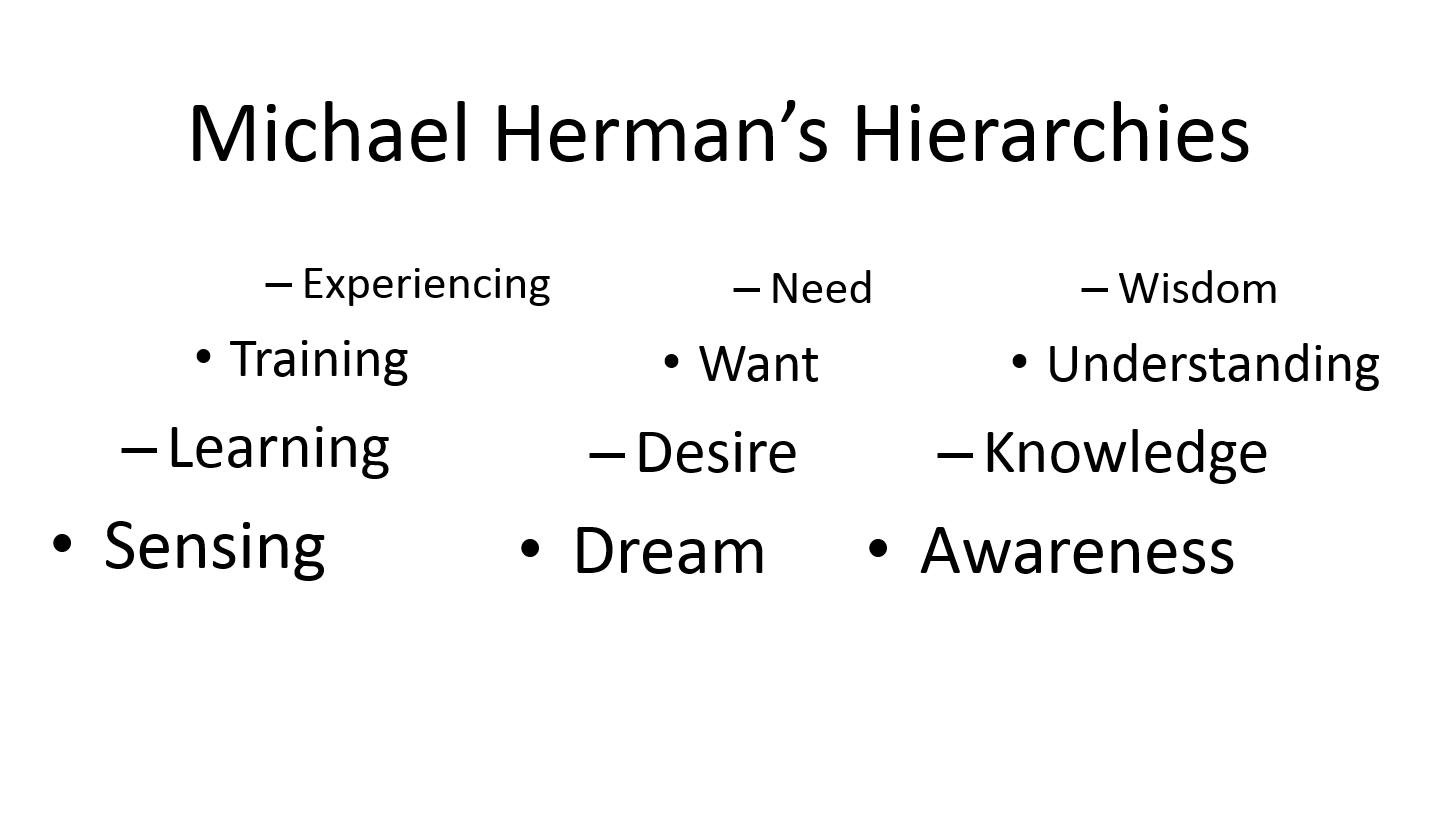
Michael Herman’s Hierarchies

  • Awareness – Knowledge – Understanding – Expertise – Wisdom
  • Dream – Desire – Want – Need
  • Sensing – Learning – Training – Experiencing
  • Keywords – (Controlled) Vocabulary – Glossary – Dictionary – Taxonomy – Ontology

Michaels Hierarchies

Product Management: 3 Prioritization Levels

  1. Need to have
  2. Nice to have
  3. *Neat* to have

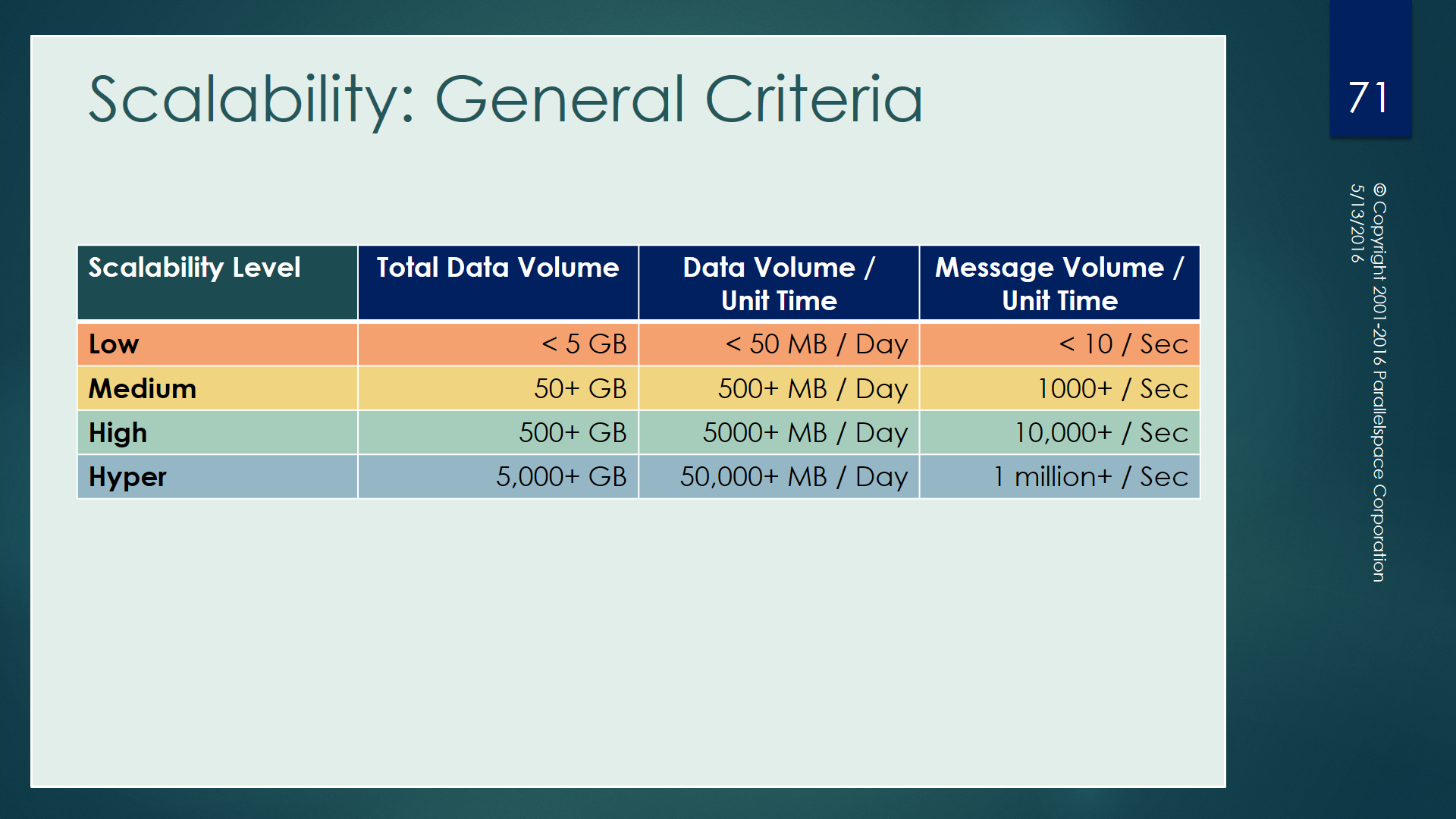
Scalability Levels

hyper-scalability-1-0-1

Best regards,
Michael Herman (Toronto)
Parallelspace Corporation
mwherman@parallelspace.net

5 Comments

Filed under Architecture Reference Models, continuous transformation, Crossing the EA Charm, Definitions, How do we think, Parallelspace TDM, Process, Progressive Enterprise Architecture Map (PEAM)

Microsoft Azure Stack POC Architecture Reference Model (ARM): ArchiMate Model – version 1-0-7 – April 30, 2016

[Updated March 3, 2017]

PLEASE POST A COMMENT ABOUT WHY THIS PAGE IS IMPORTANT TO YOU.
This particular page is 1 of my top 5 most viewed pages (ever) and I’d like to understand why. Thank you!

MS Azure Stack POC 1-0-7

Figure 1. Parallelspace Logical/Physical Architecture View: Microsoft Azure Stack POC (April 2016)

[Click here for a larger version of the ArchiMate model]

Notes

  • The actual drive letters will vary from system to system. Don’t fret these details.
  • I’ll keep adding more detail to the model as I work through the full deployment of the Microsoft Azure Stack POC.

The above ArchiMate enterprise architecture model was created with Archi 3.2 – The Free ArchiMate Modeling Tool.  Download the latest version of Archi from here.

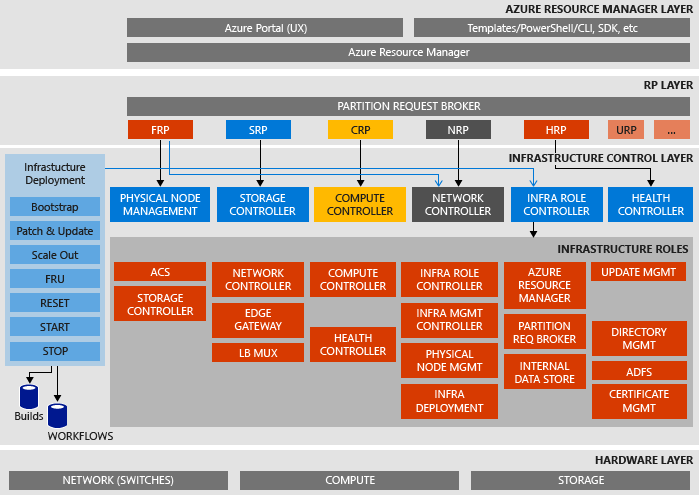
Here’s what the original Microsoft drawing (a Visio sketch – not a model) looks like in April 2016 (from https://azure.microsoft.com/en-us/documentation/articles/azure-stack-architecture/):

image1

Figure 2. Microsoft Azure Conceptual Architecture View: Microsoft Azure Stack POC (April 2016)

[Click here for a larger version of the Microsoft drawing.]  It’s mostly useless but typical of what you’d expect in a Microsoft marketecture diagram.

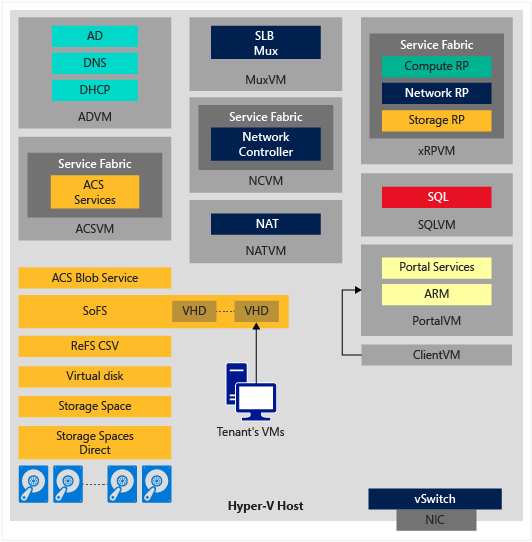
Microsoft has subsequently updated their conceptual architecture diagram (March 1, 2017). It now looks like this (at the same URL noted above).  The new diagram is an improvement and I can’t help but imagine it was influenced by my ArchiMate model.

ms-azure-stack-2017-image1

Figure 3. Microsoft Azure Architecture View: Microsoft Azure Stack POC (March 2017)

For a topic that in theory has a relatively narrow audience, this article has had an extraordinary number of views over the past year.

Best regards,
Michael Herman (Toronto)
mwherman@parallelspace.net

p.s. I can only assume it is Microsofties trying to learn a little bit more about enterprise architecture.  You can see the (good) results in Figure 3 (above).

7 Comments

Filed under ArchiMate, Architecture Reference Models, Crossing the EA Charm, Enterprise Architecture, Graphitization, IoT, Microsoft Azure, Parallelspace TDM