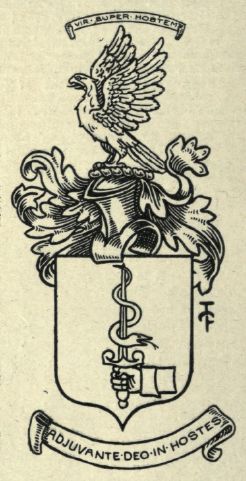
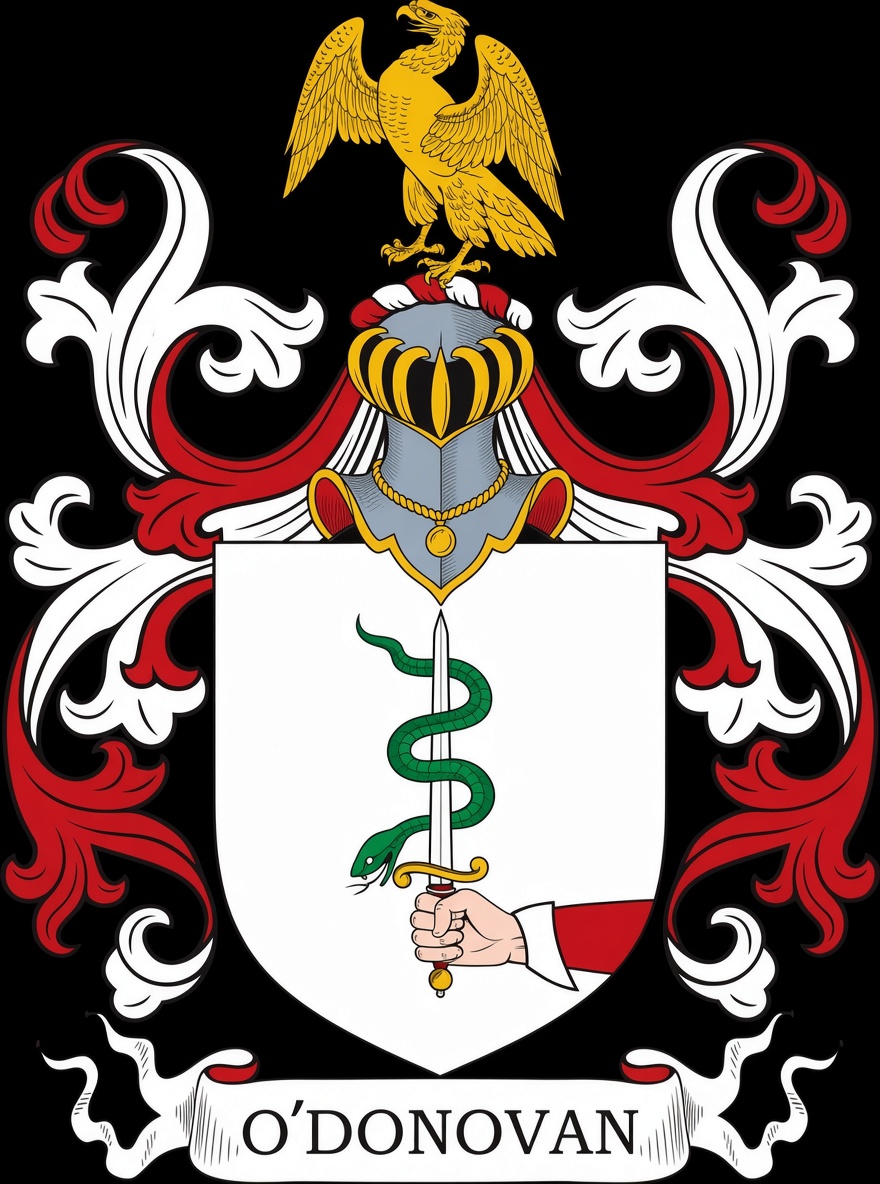
O’Donovans established themselves as semi-autonomous lords (flatha) under the MacCarthy Reagh dynasty.
- The Sovereign Rod: The chiefs of the O’Donovan clan were formally inaugurated using a White Rod (Slaitín), a Gaelic symbol of pure, legitimate sovereignty and judicial power over their lands.
- Territorial Castles: To defend their new territory, they erected several formidable strongholds across West Cork. The most famous of these include Castle Donovan (near Drimoleague) and Glandore Castle.
⚔️ 4. The Fall of the Gaelic Order
The clan successfully maintained their Gaelic laws and independence for centuries until the turbulent 17th century brought a series of devastating losses:
- The Battle of Kinsale (1601): The O’Donovans supported the Gaelic alliance alongside the O’Neills and O’Donnells. The defeat of the Irish forces marked the beginning of the end for their sovereign rule.
- Cromwellian Confiscations: Following the Confederate Wars in the 1650s, large portions of O’Donovan lands were seized by Oliver Cromwell’s administration.
- The Williamite War: The final blow to their structural lordship came after they supported the Jacobite cause in 1689–1691, resulting in further land forfeitures.
🌟 The Clan Legacy Today
Unlike many other ancient families whose titles completely vanished, the O’Donovan lineage survived. The chief of the family is still formally recognized today as The O’Donovan, keeping a direct link to Ireland’s ancient nobility alive.