
Michael Herman (Toronto/Calgary/Seattle)
April, 2019
A #wanderer is someone who leaves their tribe to share their knowledge and wisdom with others; and, later, assemble teams of explorers to seek out new frontiers, form new clans, a band, a tribe, and a tribal society. …groups of people who live and work together – a group of tribes organized around kinships.
[Kevin Hunter, July 5, 2018 during a discussion of the book “Who We Are And How We Got There”]
Social Evolution
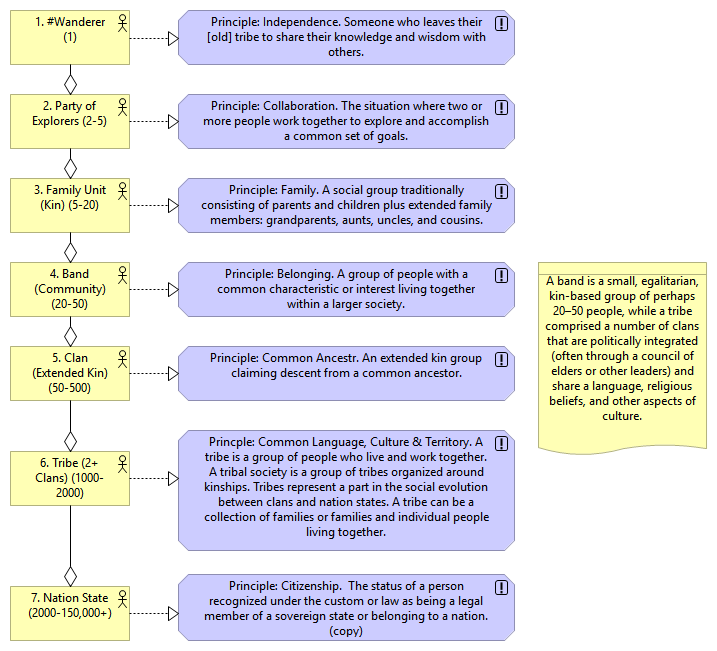
Figure 1. Social Evolution of Policies, Procedures, Processes, and Technologies
Social Evolution and The Technology Adoption Life Cycle
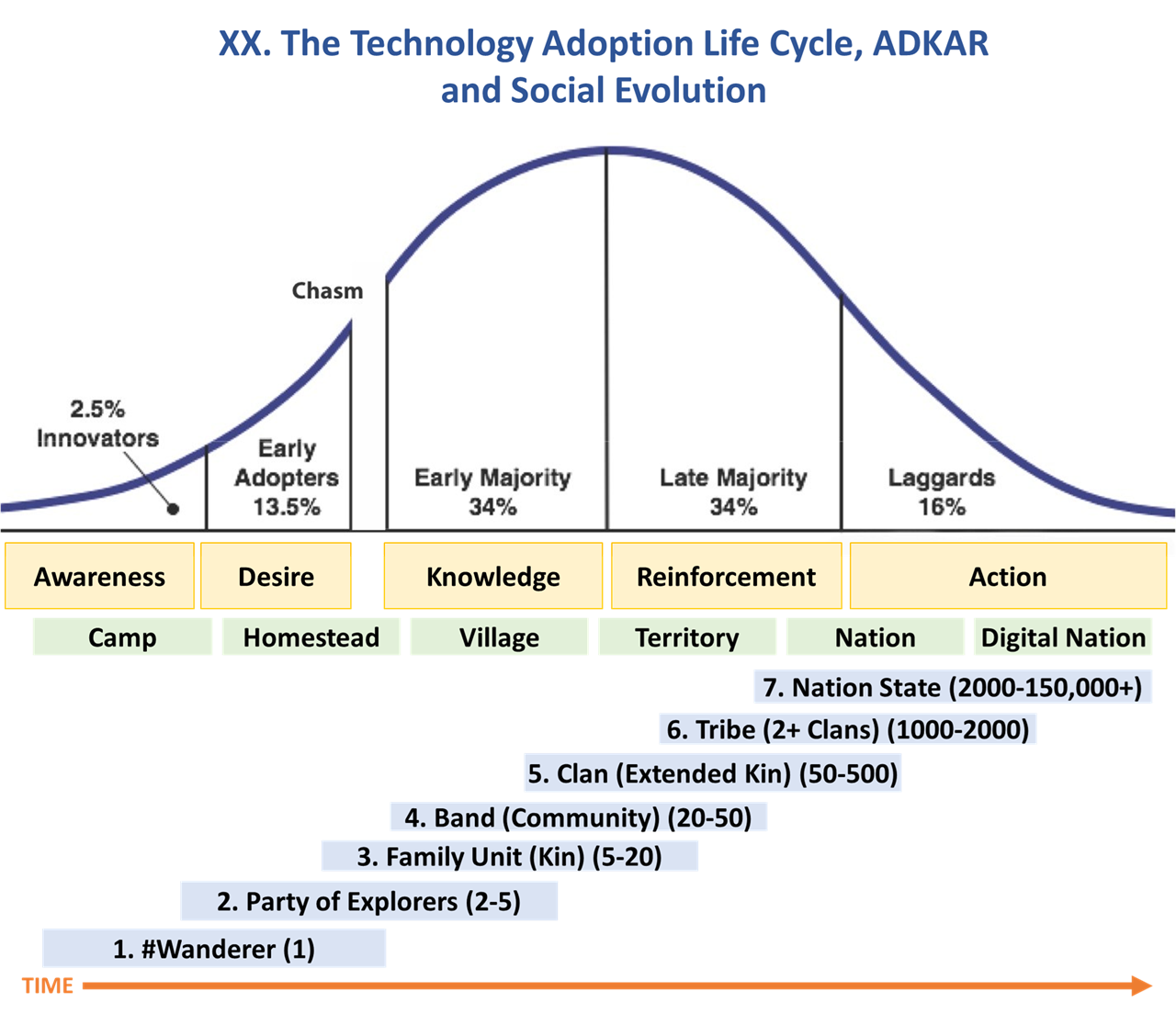
Figure 2. Social Evolution and The Technology Adoption Life Cycle

 Web 7.0 AgenticOS™ Digital Identity Lab - hyperonomy.com
Great visuals.. Re Figure 2. the “chasm” is real. We saw this with RBV (Resource Based View) where the method was invented in the late 1950’s but had to wait to the year 2000 or so to achieve liftoff. The core message was it is easier to manage resources when you can view them so, in this example, the name of the method was a strong predictor of it’s latency i.e. how can you view 50,000 documents at one computer screen? 3D free-form-search Kbases were the answer.
LikeLike
One more point. Like clothing fashions, some of the technology that gets introduced goes through the curve, then seem to fall out of favor, only to come back a few years later and go through the same curve again. Example: Face recognition of individuals going through restricted access points, then, later, facial scans of crowds at outdoor events, in custom halls, etc.
LikeLike
Checkout the concept of the #OvertonWindow: https://www.linkedin.com/posts/mwherman_overtonwindow-adkar-changemanagement-activity-7206475417627611136-vphJ?utm_source=share&utm_medium=member_android
LikeLike
Pingback: Is the Social Evolution Model Harmful? | Hyperonomy Digital Identity Lab - hyperonomy.com
Pingback: Dunbar’s Number | Hyperonomy Digital Identity Lab™ - hyperonomy.com